The apprenticeship of public voice
Why student newspapers remain one of the last places people learn to speak publicly
Universities celebrate debate.
Students are encouraged to question ideas, test arguments and develop their own perspectives. Essays, research papers and presentations structure much of academic life. By the time students graduate, many have spent years learning how to construct careful, evidence-based reasoning.
Yet much of that writing remains private.
Essays are submitted through online portals, read by professors and returned with comments. Arguments circulate within classrooms rather than within shared public spaces. Students learn how to formulate ideas, but rarely what happens when those ideas encounter disagreement, criticism or scrutiny from a broader community.
Modern institutions shape how people speak as much as what they know.
Universities reward careful argumentation within structured environments. Professional institutions later introduce a different set of incentives: reputation management, risk awareness and carefully controlled communication. Over time, public speech becomes strategic, opinions soften and silence often feels safer than confrontation.
Institutions rarely forbid speech outright. They merely make silence feel safer.
The real threat to public life is not that people speak too much, but that too many people remain silent about the things they know.
Student journalism exists in the narrow space between those pressures. It is where writing stops being an academic exercise and becomes public participation.
Publishing an argument changes the stakes of writing. Once an idea enters a shared space, it becomes open to challenge. Readers question the reasoning, dispute the conclusions and introduce perspectives the writer may not have anticipated. Writing becomes part of a conversation that no single author controls.
Student newspapers place writers directly inside that experience.
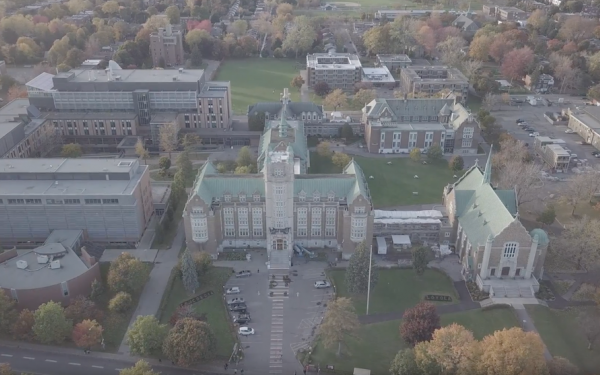
At Concordia University, student reporters regularly document the political life of the university itself: student government disputes, administrative decisions, protests and controversies that shape campus life.
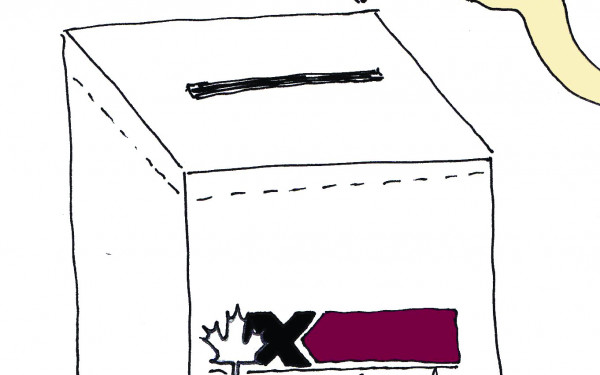
When the university launched an investigation into the Concordia Student Union following a contentious student vote, student journalists were the first to report on the unfolding conflict and its implications for student governance.
Across universities, student reporters have uncovered stories that institutions themselves struggled to confront.
Reporting by The Stanford Daily exposed serious academic misconduct involving Stanford’s president, contributing to a leadership crisis at one of the world’s most prominent universities. Other student publications have investigated hazing scandals in major athletic programs or challenged policies affecting student welfare.
Moments like these show something important: that public voice is learned through practice. It is not a personality trait or an instinct; it is a civic skill that must be developed somewhere.
Student newspapers function as one of the last apprenticeships of that skill. Writers pitch ideas, defend them in editorial meetings, revise them through criticism and finally publish them for a community that may respond with agreement or disagreement. The process is imperfect and sometimes uncomfortable, but that friction is precisely what gives public discourse its meaning.
Public discourse has never depended on perfect arguments. It has always depended on people willing to speak.
In an era when expression often occurs on platforms designed for visibility rather than dialogue, sustained public conversation has become increasingly rare. Ideas circulate rapidly but often within fragmented audiences that rarely encounter one another.
Student newspapers operate differently. They anchor speech within a community that reads, responds and remembers.
Universities will continue to produce graduates with opinions about politics, institutions and the communities they inhabit. What determines whether those ideas ever matter is something simpler. Someone has to decide that silence is not enough.
Public life does not sustain itself automatically. It depends on people who are willing to question, argue and speak about the conditions shaping their communities.
Student newspapers exist because, somewhere on campus, someone makes that decision. And once that person begins to write, silence becomes much harder to maintain.