Iranian Concordia students say requests for university support went unanswered
The university issued a general message without naming the conflict and no email was sent to students
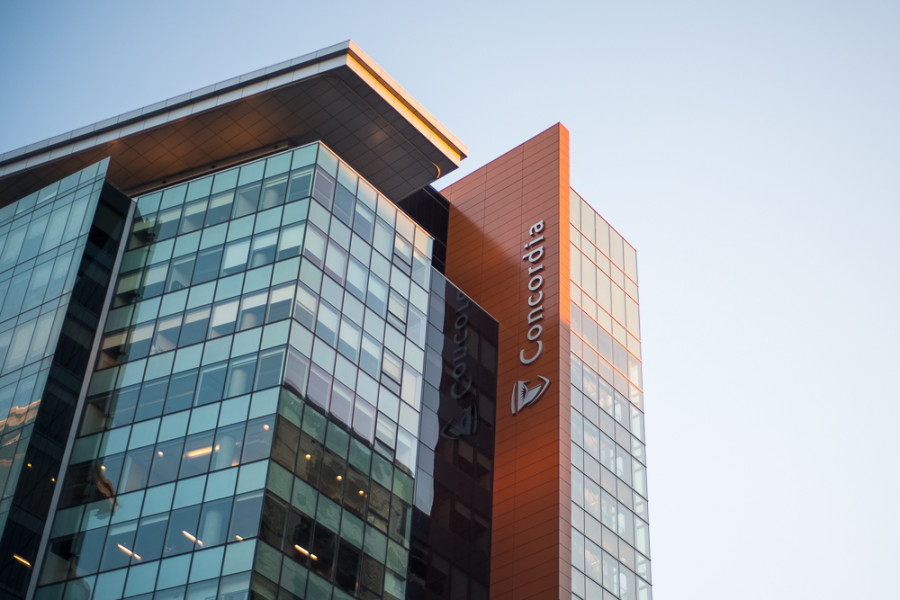
Concerns are being raised at Concordia University over a lack of support for students during the conflict in Iran, including limited communication and academic accommodation.
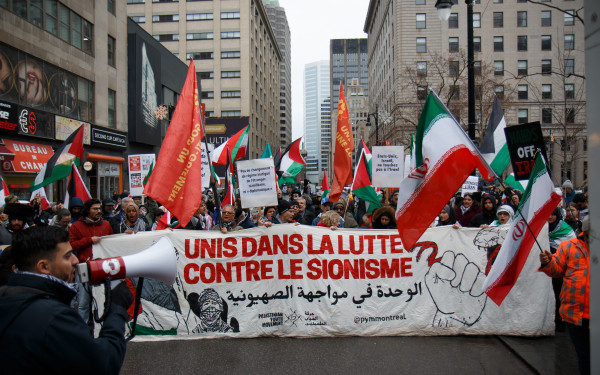
After reports of a mass government crackdown on protesters in Iran earlier this year, the situation in the country escalated on Feb. 28 with American and Israeli military intervention.
According to some Iranian students at Concordia, the crisis has become both personal and difficult to manage alongside their studies.
Atousa Saghafi, VP of operations at the Iranian Student Association at Concordia (ISACU), said the association reached out to the university requesting accommodations such as tuition pauses and academic flexibility.
Saghafi said a member of the Birks Student Service Centre replied and ultimately rejected the request, stating that individuals would need to reach out for such accommodations on a case-by-case basis.
Saghafi added that the lack of institutional response stands in contrast to previous conflicts.
“We feel kind of betrayed that Concordia has turned their back on us," Saghafi said. "The reality is that they have supported all the other nationalities with their domestic crisis, even before they asked for it."
In an email statement to The Link, Concordia spokesperson Julie Fortier said the university communicated a message of support for students through a general message posted on its website.
However, the message was not sent through the university’s mass email system and did not directly name the conflict in Iran, instead referring to a “global crisis.”
“A message detailing the various forms of support available to affected students, including academic accommodations and wellbeing resources, was posted on the Concordia website on Monday, March 2, 2026,” Fortier said. “A similar message was shared with deans and chairs also on that day for them to forward to students who may be in need of support or accommodations and to encourage flexibility.”
According to Kimia Gharouni, an Iranian student at Concordia, this message does not meet the expectations of many Iranian students.
“This lack of response feels isolating and creates a sense that our experiences are being overlooked,” Gharouni said.
According to university data from the 2024-25 academic year, Iranian students represent nearly 14 per cent of student visas at Concordia, ranking as the second largest international student group.
“Based on my own experience as an international student, every time, for other conflicts, the university offered help with such generosity that we didn’t see in our own current situation,” Saghafi said.
Some students added that they believe this reflects a double standard.
“Since the Iranian community is seen to largely support the situation, it was not prioritized or given any attention,” said Zara Mohamadi, an Iranian student at Concordia who was granted a pseudonym for fear of academic repercussions.
With no direct emails sent out and no official statement from the president’s office, some have raised concerns about the unequal treatment of international conflicts at Concordia. This, in Mohamadi’s experience, has been exacerbated by the lack of comprehension her fellow students and peers have shown on the conflict.
The Link also spoke with a Concordia faculty member, who has been granted anonymity for job safety reasons, who said they received one email from the university regarding issues with international students’ study permits from the affected region.
However, the faculty member said they have not received any communication specifically addressing affected students’ well-being or accommodations.
When it comes to providing support for students affected by this conflict, Saghafi said even small measures would make a difference for students dealing with financial and emotional stress.
According to Saghafi, in her experience, access to mental health support on campus remains limited with long waiting lists. She suggested that, given the number of Iranian students affected, the university could consider prioritizing and providing better access to mental health support for these students.
“We know that, beside the financial struggles, many Iranian students have many anxieties and mental frustrations that directly affect their academic quality,” Saghafi said.



_600_375_90_s_c1.jpg)