
The marketplace of morality
When social media Influencers’ politics become a profitable performance
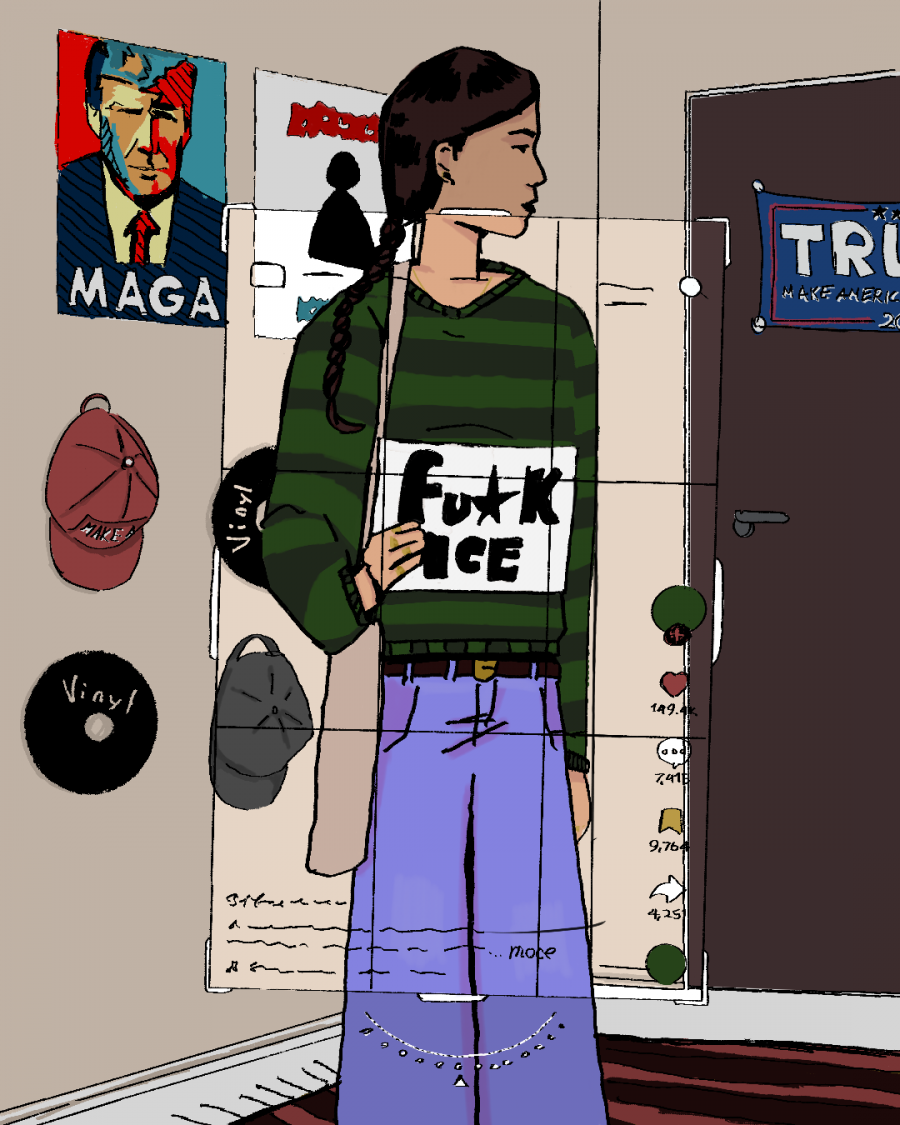
For many of us, it started when we were teenagers.
We get our first phone, download Instagram and TikTok, make an account and begin following influencers. Before long, we’re watching them do everything: getting ready for the day, grocery shopping, going on dates, crying, smiling and everything else in between.
We end up inserting ourselves into so many intimate parts of these people’s lives. It’s not just because we enjoy the content they produce, but because we believe we share something deeper with them: the same values, opinions and outlook on the world.
As one of the most left-leaning people I know, for example, I would never choose to follow an influencer if I knew they held conservative views, simply because our beliefs and characteristics as human beings would never align.
But in today’s political climate, openly identifying as conservative, especially as a MAGA supporter, often comes with intense backlash online. Because of that, many influencers either avoid talking about their political beliefs altogether or shape how they present themselves to better match their audience’s expectations.
The influencer economy incentivizes moral performance, not moral commitment. Social media tends to favour influencers who appear aligned with their audiences rather than those who are fully transparent about their values. After all, these platforms operate as businesses driven by engagement, aesthetics and marketability, and clear political or moral positions can threaten an influencer’s appeal.
But ultimately, some of the responsibility also falls on audiences. We often confuse relatability for shared ethics. Just because an influencer speaks casually, shares personal moments or seems to have similar tastes doesn’t mean they hold the same values. The connection we feel often relies on projection rather than real alignment.
A McMaster University study examined how social media engagement shapes parasocial connections and found that compulsive platform use is linked to significantly more negative parasocial outcomes.
In other words, the more intensely people engage with influencers online, the more likely those one-sided relationships become unhealthy or distorted.
We assume that, based on the way certain influencers talk or act, we share the same worldviews, and that’s a problematic projection on our part as the viewers. While influencers may sell a carefully constructed brand, audiences are also holding them to expectations they never explicitly agreed to meet.
And that’s truly the scary part of social media: the distance that normally exists between public figures and audiences disappears, encouraging viewers to place influencers on a pedestal rather than consume their content critically.
A November 2025 study from the Media Ecosystem Observatory, a collaboration between McGill University and the University of Toronto, found that influencers can now reach audiences more effectively than traditional news outlets or politicians, largely because consistent posting builds trust with followers.
If that trust develops in what is ultimately a commercial environment, then it becomes important to remember what influencers fundamentally are: businesses. Influencers sell a sense of belonging, shaping their identity to match the audience they want to attract. In that environment, moral identity becomes less about conviction and more about market segmentation.
This article originally appeared in Volume 46, Issue 11, published March 17, 2026.