Not in the mood
Casual sex shouldn’t require a defence
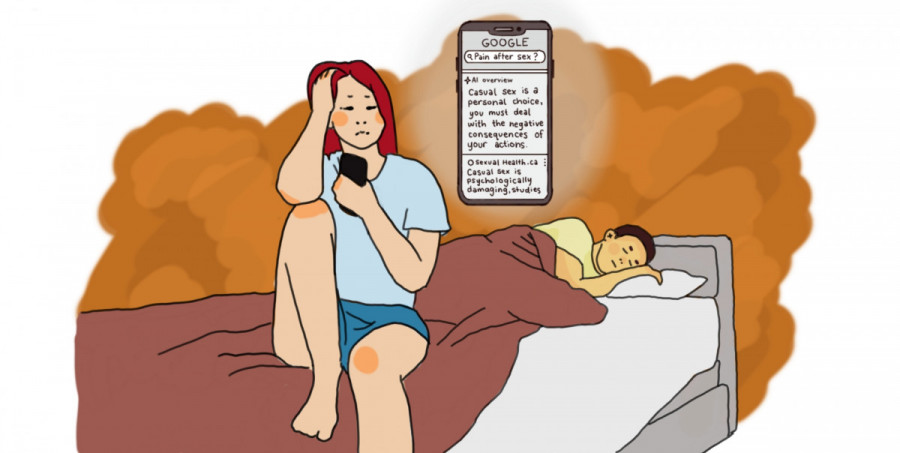
I feel like the internet is the most open yet most closed-minded it has ever been. We can talk about sex, sexuality and pleasure more openly than ever, but somehow, shame has found new ways to survive.
In the manosphere, women who sleep with multiple men are deemed “low-value,” as though having a sex life somehow depreciates one’s worth. Venture into spaces that supposedly exist to empower women, however, and you might hear that sleeping with men means giving away your energy, letting them win or abandoning your feminine essence.
Apparently, lust is “masculine,” and a woman who acts on her own desire has something to lose. Different sides of the internet, same old sexual politics.
The longer you spend online, the harder it becomes to distinguish spaces that challenge your beliefs from those that simply repackage the ideas you oppose in the language of everything you believe in.
When we talk about safe sex, shouldn't we actually be talking about safety? Knowing your partner's sexual history, discussing testing for sexually transmitted infections (STIs), understanding consent, having access to contraception and abortion. These conversations shouldn't be optional.
Yet in some corners of the internet, the danger being emphasized isn't an STI or a lack of consent, but the transfer of sexual energy, as though the real potential risk of sex is what it might take from your spirit. When spiritual warnings replace conversations about sexual health, are we really empowering women to make informed decisions, or just revamping sexual shame with new vocabulary?
Somewhere along the way, we've turned casual sex into something that requires an explanation.
If you want a relationship, your desire is understandable. If you want to wait until marriage, your choice is respectable. But if you want sex and nothing else, suddenly people want to know what that says about you. Maybe you're lonely, insecure, seeking validation or giving too much of yourself away. Maybe you just want to have sex. Why does that possibility seem so difficult to accept?
Being intentional about sex isn't the problem. Knowing your boundaries, communicating honestly and making informed decisions about your sexual health are all part of having a responsible sex life. Nobody owes anyone intimacy, and abstinence can be just as fulfilling a personal choice as casual sex.
There's a difference, however, between deciding what works for you and treating that decision as proof of your moral superiority. Boundaries are personal. Shame is something else entirely.
The double standard becomes even more ridiculous when men insist their partners should know what to do in bed while requiring women with no sexual history. Who, exactly, are they expecting to sleep with? God forbid a woman participates in the same casual sexual culture men are permitted to enjoy without having her desirability or respectability called into question, let alone her worth as a woman
Even the celebration of marrying the first person you sleep with can become a vehicle for this judgment. There's nothing wrong with that kind of love story. The problem is using it to shame people who choose differently, as though waiting guarantees virtue and not waiting diminishes it.
I know I'm approaching this largely through a heterosexual lens, and I don't mean to flatten the realities of other relationships or suggest these double standards look the same for everyone. But it's the discourse I know, and it's telling that even spaces supposedly built around women's empowerment can reproduce the very same misogyny they claim to reject.
Sex between consenting adults doesn't need to lead to a relationship, marriage or some greater purpose. It can be pleasurable, intimate, spontaneous or simply something two people want to experience together.
If sexual liberation means anything, it must include the freedom to desire without shame. Otherwise, we haven’t moved beyond sexual repression. We've simply found more palatable ways to dress it up.
This article originally appeared in Volume 47, Issue 4, published October 27, 2026.