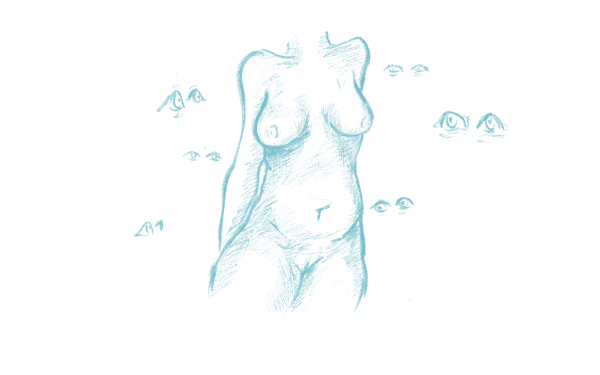
Notes on heteropessimism and being a cynic
Accusing a woman of being male-centred is the modern version of slut-shaming
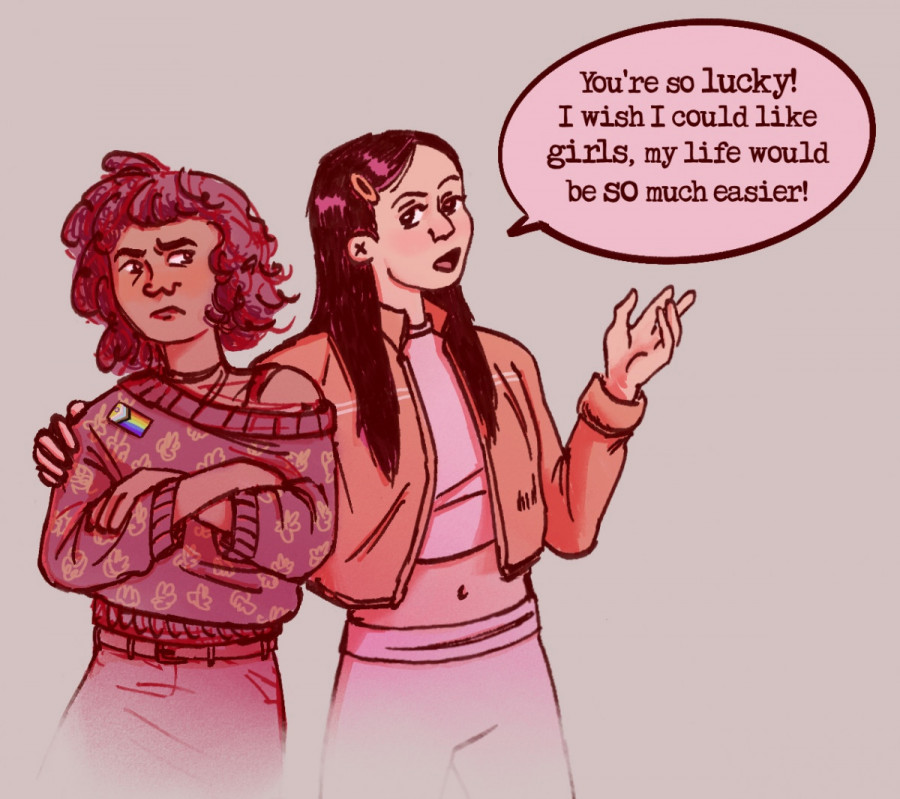
If I had a nickel for every time I told a straight girl that I was bisexual only to hear how much she wished that was the case for her, I'd have enough money to buy myself a coffee—which is saying a lot in today's economy.
Regardless of how you feel about it, feelings of heteropessimism are on the rise, or at least expressions of them are. However, as righteous it may feel to flip the ball-and-chain script on men, this mentality serves no one.
Heteropessimism is a term coined in 2019 by writer Asa Seresin describing feelings, particularly among women, of embarrassment and/or disgust with their heterosexuality. From the get-go, this term has drawn skepticism, often described as an inherently performative stance.
Now, I totally understand the hesitancy to date men in today’s dating scene. It's rough out there. It makes total sense to be pickier with those you date or to de-prioritize dating entirely.
But here’s where I take issue. Denying yourself love and affection is not feminist. You deserve romance, and no one benefits from you feeling bad or making others feel bad about it.
The fear of being male-centred strikes panic into the heart of many a woman. We escape patriarchy by trying to remove men from our priorities and sense of self-worth. In our desperate escape from male-centredness, we run straight into the grasp of heteropessimism, where we, once again, make our worldview revolve around them.
There’s a level of shame that has always existed for women around desire. Like many core tenets of patriarchy, it has reinvented itself to fit into today’s standard of what's acceptable.
This new way of making women feel bad for feeling even a modicum of want has manifested in a way that parades itself around as accountability. Accusing a woman of being male-centred is our modern version of slut-shaming.
Still, even with all that context and understanding of the way we tie ourselves into knots over outside perception of who we are, it still really rubs me the wrong way to be told that I have it easier because I like women, or worse, that I'm lucky to have the “choice.”
I don't, or at least I shouldn’t, have to reiterate that queerness is not a choice. It's not fair to depict it as the easy way out when coming out can mean losing your friends, your family or your home. It's not a shortcut; it's an identity, and one that's being actively legislated against worldwide.
There’s a certain aestheticization of queerness in saying these things to sapphic women. It fabricates the narrative that queerness is a beautiful, poetic way of living to be desired and sought after instead of a real identity marker that has been endlessly misunderstood, politicized and fetishized.
From where I'm standing, it seems like heteropessimism is a performance of disillusionment with dating men to avoid the awkwardness of acknowledging one’s privilege. It reduces men to their worst traits and makes bad actors representative of the whole. Instead of holding them accountable, it does the opposite: it provides the perfect excuse to let bad behaviour go unchecked, justified by male nature.
We are repeating the mantra ‘‘boys will be boys’’ with different words, all the while continuing to put the onus on women to repress themselves in the name of so-called feminism.
This article originally appeared in Volume 47, Issue 4, published October 27, 2026.