Unwanted attention beyond the scoreboard
How the media sexualizes women through sponsorships and advertisements

A shot on net, a save or a record-breaking goal are the moments that make headlines. However, for women in sports, the story often isn’t so simple.
Female athletes often face judgement not only for their athletic abilities but also for their bodies, clothing and personalities. In a world that celebrates sports for skill, strength and discipline, female athletes face not only the need to prove their ability but also to look the part.
Cate Harris, a former member of the Concordia women’s rugby team, lamented that people reduce female athletes to their physical appearance instead of their on-field exploits.
“It takes away from all the hard work that we all put in. Countless hours and being subjected to things rather than achievements is tough to see,” Harris said.
Mainstream media plays an important role in shaping audiences' views on athletes. However, female and male athletes aren't always represented the same way. While coverage of male athletes focuses on performance, strength and skill, coverage of women athletes highlights their appearance, fashion and personal lives.
A 2014 study in Bridgewater State University's Journal of International Women's Studies examined coverage of tennis player Maria Sharapova and concluded that several linguistic patterns in both Italian and English media stressed sexuality and depicted female athletes in ways that diminished their accomplishments.
In 2018, the International Olympic Committee released portrayal guidelines to ensure equal representation of men and women in the media. They require equal coverage of male and female sports, and more often than not, female coverage focuses on appearances rather than performance.
Razan Haj-Obeid, who works as the development head coach at Ottawa Fusion Volleyball, sees the sexualization of female athletes as yet another attack on the legitimacy of women’s sports.
“Already women in sports are seen as less talented, less powerful and less influential,” Haj-Obeid said. “So when they’re sexualized, I feel like they’re being completely separated from sport.”
The sexualization of female athletes is often connected to advertising. Sponsors and advertisers fight for attention, often damaging an athlete’s image. This in turn creates tension between athletes and advertisers.
Another study in 2013 looked at the various perspectives of female collegiate athletes and their interactions with the media.
Twenty-four of the 36 athletes selected an image that best represented how they would like to be depicted in the media. The other 12, however, selected a sexualized image because they thought it would increase interest in women's sports. The results demonstrate the tension between the way athletes value being represented and knowing sex sells.
Uniforms spark another important debate. In athletics, for example, men and women are both required to wear skin-tight spandex. While some argue for the aerodynamic benefits, others wonder why women are forced to wear small brief-like shorts while male athletes wear longer mid-rise shorts.
“It’s so disrespectful to all the young girls and women dedicating their lives to a sport just to be judged on looks rather than skill. It’s extremely unfair that men put in the same effort and are praised, while women’s efforts are ignored and their bodies become the focus.” — Razan Haj-Obeid, development head coach, Ottawa Fusion Volleyball
Harris said that when she played for the Stingers, the team’s uniforms emphasized players’ bodies more than their actual performance.
“As an athlete, I feel as though it makes us more of an object than as a player,” Harris said. “People look at what we are wearing and how we look and not at how we play and the hours and hours of work we put into a sport just to be seen for our bodies. It makes me feel very sad, and unaccomplished as a player.”
Besides movement, comfort and performance, concerns arise when commercial incentives or unequal rules limit athletes' ability to wear what makes them feel best. Beyond media attention and sponsorship deals, how female athletes are portrayed can affect how both athletes and younger girls view themselves.
“It's so disrespectful to all the young girls and women dedicating their lives to a sport just to be judged on looks rather than skill,” Haj-Obeid said. “It's extremely unfair that men put in the same effort and are praised, while women’s efforts are ignored and their bodies become the focus.”
Criticism based on appearance or online harassment can affect an athlete beyond professional sports. When younger athletes see the negative effects success and public image can have on an individual and their career, they may become reluctant to keep striving in their sport. Thus, improved positive representation is just as important as removing negative depictions.
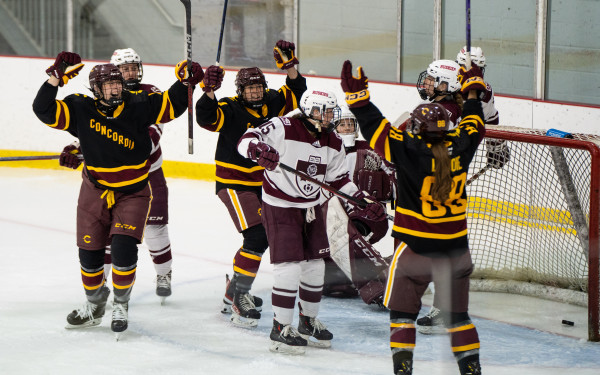
Concordia women’s hockey head coach Julie Chu tries to ensure that her team acts as role models for young girls entering the sport. Through events like Skate with the Stingers, players interact with fans and young players to foster participation in hockey.
“It’s really important for us, regardless of whether it is three or five players that come out to skate with us,” Chu said. “I want all my girls out there; we’re going to come out and give our best energy to them.”
As representation takes small but meaningful steps towards improvement, female athletes in positions of influence have taken up the torch. With concerted efforts at all levels, there's hope that, over time, women’s sports will finally receive the recognition and respect they deserve.
Concordia Stingers women’s hockey goaltender Belle Mende emphasized that athletes should be respected regardless of gender. While she recognizes the outdated idea that women’s sports are less serious than their male counterparts, she also sees positive trends in competition and urges fans to catch onto the wave.
“Get with the times. You’re living an outdated life,” Mende said. “The way it is looking, it will keep growing; people can have thoughts and opinions, but it will just keep getting bigger.”
This article originally appeared in Volume 47, Issue 4, published October 27, 2026.