Drag is more than a show
Visit Bar Le Cocktail to experience unique local drag in Montreal
Rupaul’s Drag Race is a popular reality TV show in which drag queens compete for a cash prize and the title of “America’s Next Drag Superstar.” The show features an extravagant fashion runway and lip-syncing dance battles. It can be a good first introduction to the art form of drag, but it doesn’t display the reality of local artists.
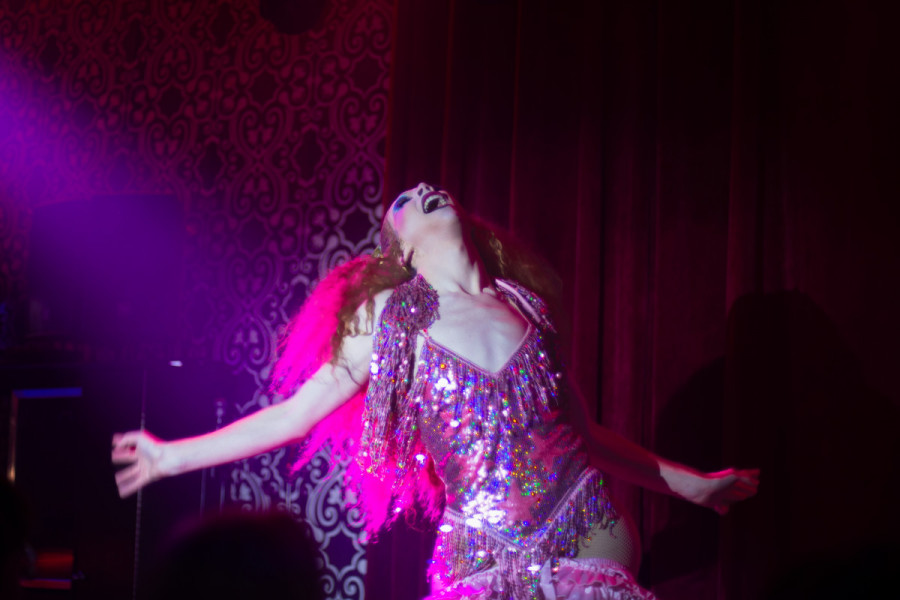
Mathieu Flageole, better known by the drag and work persona Selma Gahd, oversees the shows and the artists who perform at Bar Le Cocktail. He explained how much goes into preparing a single performance: hair, makeup, the routine and the outfit. This all takes hours of work.
“People expect drag to be a new $20,000 gown every time someone comes on stage, which is not sustainable; it does not make sense,” Flageole said.
This is why Flageole wants more people to come to Bar Le Cocktail and experience local drag. More interest means more sustainable pay for the artists he welcomes.
Meredith Marty-Dugas is a master’s student at Concordia University and performs as both Areola Grandé and Buck Grandé on Le Cocktail’s stage. As a former performer for the bar, she said Bar Le Cocktail offers a set pay for its artists.
“You’re often just splitting the door price with the other performers, and that can mean a lot of money and can also mean $5. There’s not a lot of stability or guarantee like with performing at places like Bar Le Cocktail,” Marty-Dugas said.
Some members of the queer community believe that Rupaul’s Drag Race focuses a lot on the glitz and glamour of drag without detailing how integral it is to the community as a whole.
Flageole uses his privilege and opportunity to create a space where everyone has a voice. He uses drag as a platform to amplify who he is, be louder and be more aggressive on current political issues.
“Drag gives us a platform; it's a space where we literally get to have a mic in our hands and say what needs to be said and a voice for people who aren’t heard,” Flageole said.
Marty-Dugas remembers going to Flageole’s and his drag mentor Uma Gahd’s performances at Café Cléopâtre and feeling welcomed.
“They felt like the heart of how you build queer community and keep it something deeply political, how we take care of each other in a system of oppression,” Marty-Dugas said.
This is the energy she attempts to put back into her performances.
Reese Guerreiro Pombal, a Concordia student and attendee of Bar Le Cocktail shows, said that drag is inherently political because of its history as a safe space for queer voices.
“You can’t make drag not political,” Guerreiro Pombal said.
Another thing viewers won’t see in programs like Drag Race is drag kings. Many people assume that drag consists of men who dress as women and put on extravagant shows.
“[Drag] is an art form usually performed by men in the 2SLGBTQI+ community. Even though I do know that women can perform drag, too, because it’s just an exaggeration of female decadence,” Brooklyn Prince, a first-year student at Concordia, said.
Though this can often be the case, there's so much more that lies within drag. Anyone can perform drag, whether they are cisgender, transgender or non-binary.
Marty-Dugas performs as both a drag queen and a drag king. As Areola Grandé, she's able to honour a feminine side of herself that's less common in her everyday life. As Buck Grandé, she found a part of herself she didn’t expect to have.
“[Drag] gave me space to resist the boundaries of gender,” Marty-Dugas said.
Drag in itself seeks to push the limits of gender norms and the boundaries of one’s own view of gender, according to Guerreiro Pombal.
“Drag is intertwined with gender and one's relationship with their own gender,” Guerreiro Pombal said.
“More drag kings, more drag creatures, more POC [and] native artists [are] all stuff I strive for, to build a space where everyone can be and feel like they belong, because we are joined together to this art that we call drag,” Flageole said, desiring more diversity.
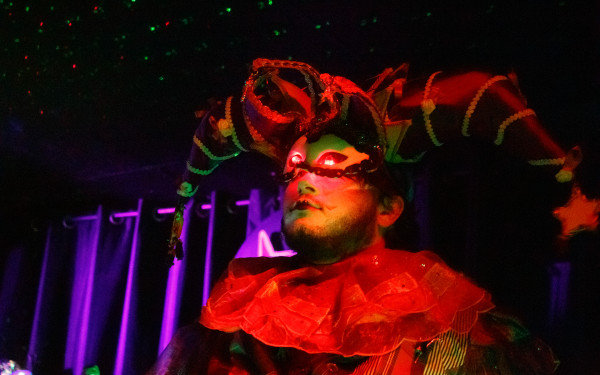
He offers shows ranging from comedy to witchy-horror-punk-rock extravaganzas.
Everyone is welcome at these shows. The bar is on the ground level, so the only accessibility issue is that performers have to go up two flights of stairs to reach the dressing room. Flageole wants to promote more diversity because it will encourage more people to try out drag for themselves.
The most important factor viewers never experience with TV drag is the interaction between performer and audience.
“[I’ve] seen some creative people make some crazy amazing things with the most basic outfits ever, but their performances are mind-blowing,” Flageole said.
For Guerreiro Pombal, the drag performer is what makes the show.
“I love them; I think that the audience interaction is part of the drag,” Guerreiro Pombal said.
During one performance at Bar Le Cocktail, the artist noticed a lull in the show, stepped offstage, gave an audience member a lap dance and made the crowd go wild. It was a unique experience attendees wouldn’t find anywhere else.
Flageole welcomes newcomers, whether it is someone’s first time experiencing drag in Montreal or they are a seasoned guest at Bar Le Cocktail shows; the goal is the same.
“[I try to] create a space for our community that is celebratory of who we are and what we do,” Flageole said.
This article originally appeared in Volume 47, Issue 4, published October 27, 2026.