The culture behind the headline
When will we start to address the root of rape culture?
When Brock Turner’s sexual assault case made headlines in January 2015, the public reacted with outrage.
Two years later, in 2017, the #MeToo movement went viral, empowering victims of sexual harassment, abuse and rape to tell their stories. Millions came forward.
These two events provided much-needed momentum to finally have a real opportunity to address the deep-rooted rape culture in our society. Yet shortly thereafter, the movements peaked, and the public outcry gradually subsided.
A perpetual cycle was created; one we’re seeing again with the alleged Cornell University gang rape that hit national news in September 2026: silence until another act of sexual violence inevitably makes its way to the headlines.
“Rape culture,” defined as the way in which society normalizes sexual violence, is prevalent in online discourse through the hyperfocus on victims, from what they were wearing to how much they had to drink and what substances they consumed. These conversations barely, if ever, criticize the perpetrators' actions or the broader cultural norms.
It's disconcerting that these spaces are still alive and well in 2026.
At what point do we stop merely reacting to the most severe forms of sexual violence and start addressing how everyday misogyny and sexism contribute to rape culture?
Enough is enough.
The rape culture pyramid challenges us to think about how small, everyday acts of sexism create the conditions for rape culture to exist. Seemingly inconsequential moments can have the most resounding effects.
Rape doesn’t just happen; instead, it's an accumulation of normalized sexist and misogynistic behaviours within our society and culture that can lead to the most violent forms of sexual abuse.
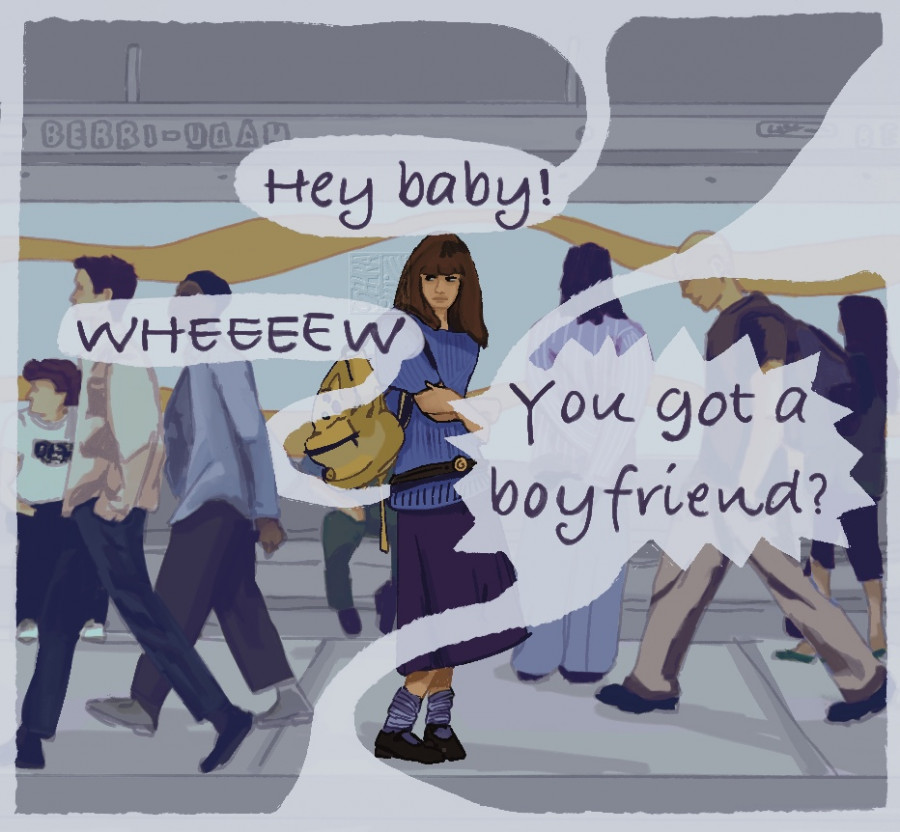
Rape culture doesn’t just start and end with rape. It starts in the mundane:
Locker room talk? “Oh, that’s just 'boys talk.'”
Unsolicited nude photos? “It’s just a picture, no need to get so upset.”
“They said no? Well, they're just playing hard to get; you just need to chase them a little more.”
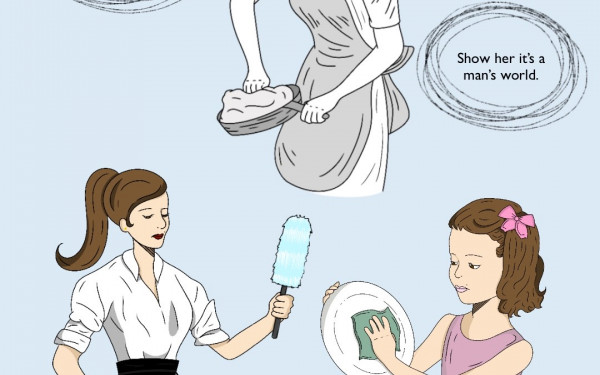
These attitudes are normalized through gender socialization. Young boys are taught to assert themselves, while young girls are taught that these behaviours are “just how boys are.” The problem is that these behaviours foster a culture where “no” is treated as a challenge to overcome instead of a boundary that needs to be respected.
These are just some of the behaviours that need to be addressed; instead, there’s a tendency to downplay these actions as insignificant because they didn't produce the most egregious form of harm: rape.
We can’t wait for the worst to happen before we intervene. We must openly shut down misogynistic discourse and prioritize having discussions around consent and boundaries until it's as normal as breathing. These conversations aren’t always easy to have; they can be uncomfortable and daunting because they require us to hold ourselves and those closest to us accountable.
A brief moment of discomfort is a small price to pay if it means refusing to normalize these behaviours.
Whenever sexual assault stories make headlines, the public is rightfully outraged. But it’s what we do with that outrage that matters most.
We can’t minimize everyday sexism and misogyny and expect the conditions of rape culture to change. There must be a collective call-out on the societal conditions that create rape culture. That starts with using your voice to reject sexist and misogynistic attitudes within your own circle.
The truth is that our moments of justifiable anger on Instagram and TikTok about sexual violence are not enough to change the status quo. This isn’t to say that there shouldn’t be public outrage on social media platforms, but to engage with these conversations only when they gain momentum is accepting the perpetuation of the rape culture we claim to condemn.
This article originally appeared in Volume 47, Issue 4, published October 27, 2026.