The age of rave
A look into Montreal’s rave culture over 30 years
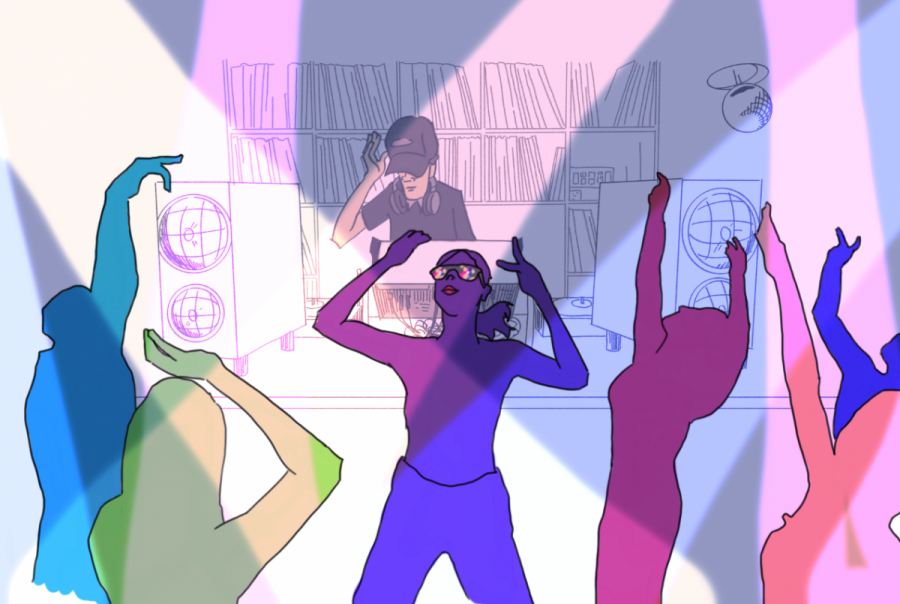
Montreal experienced its first official underground rave, Solstice, in 1993.
Held on March 27 and 28 in an abandoned museum and inspired by the emerging rave culture in the United Kingdom, Solstice kickstarted a new wave of fast-paced techno and electronic music events.
The rest of the decade was marked by a new type of dance scene, one characterized by abandoned warehouses, secret locations shared through word of mouth and a hush-hush attitude.
Mat Ste-Marie is a raver and DJ who became involved in the scene during the mid-1990s.
“I was already kind of used to nightclubs and that kind of environment, but this was very new, like a warehouse, and everything was larger than life. Everything felt so free and different and risky,” Ste-Marie said.
Claudy Philius is a pre-rave era promoter who organized soul, disco and freestyle events.
“[The] 80s and early ‘90s nightlife was just absolutely sick,” Philius said. “You have no idea how insane it was. No matter what club you were in, whether you were [into] house, club, techno, gay, hip-hop, everybody knew 3 o’clock; we all meet at one place.”
The clandestine nature of these events became central to their appeal, creating a space where people of all backgrounds and scenes were welcome to dance until the morning hours.
“It’s so cliché to say, but it’s so true that, once you pass through those doors and you’re in that big room, there was no more social status, race, sexual orientation [or] class,” Ste-Marie said. “You’d be rubbing shoulders with an off-duty fireman, a lawyer, a homeless person [...] We were all just there to dance and be in that experience.”
Attendees often would not know the venue’s location until 24 hours before the event, usually finding out through word-of-mouth, by calling a number or meeting someone in an empty parking lot.
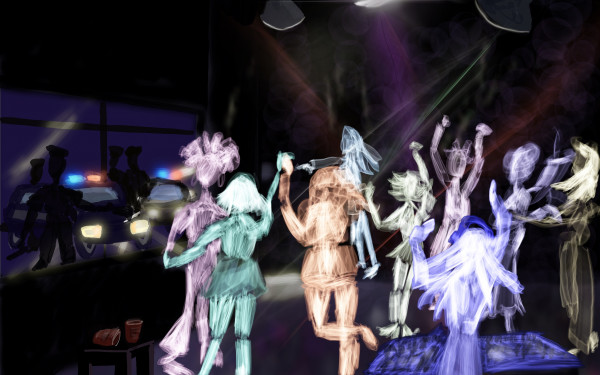
But the secrecy that made these events so appealing ultimately led to their eventual decline, due to rising noise complaints, police suspicions and interventions.
On May 1, 1993, a rave called H20 held at the Palais du commerce was raided by the riot police due to venue and late-night permit concerns, along with suspected drug use. In the years that followed, organizing and coming across underground parties became increasingly difficult.
“This was a turning point in Montreal,” Ste-Marie said. “The smarter promoters were able to position themselves and minimize the risk of getting busted by letting the police know what [was] going on.”
Over the years, raves began moving to legitimate, structured, after-hours clubs such as Playground, which has since shut down, and Metropolis, now known as MTELUS. This also led to the emergence of Stereo on Ste. Catherine St. E. in 1998, a nightclub famously known for carrying one of the best sound systems in the world.
This shift is often referred to as the commercialization of raves. While many veteran ravers may view this phenomenon negatively, Ste-Marie said the transition was necessary to ensure the scene can stay alive despite tightened regulations.
But the art of the ‘90s rave isn’t completely lost. According to Ste-Marie, as raves become more commercial, what helps them feel special is the intention with which they are organized.
“If you’re on a dance floor, the way you feel during the party is a direct result of the intent of whoever is paying for this to happen,” he said. “If you’re in a club where the owner only cares about profit, that’s what you’re gonna feel on the dance floor.”
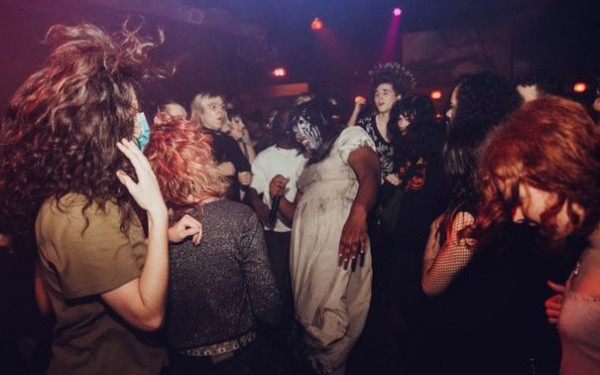
Though raves are now often held in traditional nightclubs rather than a warehouse or discreet location, it is still possible to come across events that feel like the raves from the 1990s.
Léa Mimeault is a DJ and curator of the event series Rave It Like the ‘90s. The events, which are typically held in clubs such as Le Salon Daomé and Bar Datcha, are designed to mimic the atmosphere and ethos of raves from 30 years prior.
Since the creation of the series in 2025, Mimeault has held nearly a dozen events.
The 1990s touch comes from the music that is played, including longer old-school electronic, progressive house, acid house and Detroit techno tracks. She also chooses to feature only a couple of DJs in one event, rather than the typical crowded setlists.
The attention is not so much placed on the DJs, but on the dance floor, where ravers are invited to dance from late at night until the morning in a fully legal setting.
“We know raves began as underground, illegal or unauthorized,” Mimeault said. “So to me, it represents freedom amidst regulations, and mostly freedom through dancing all night.”
Mimeault was also inspired by the analogue nature of promotion in the 1990s, choosing to print out physical flyers and tape them to posts and walls around the city.
The Rave It Like the ‘90s events are a prime example of incorporating both the atmosphere and essence of the 1990s with the club culture and social media promotion that is necessary to thrive today.
“Promoting now is so much easier than it was in the past, but at the same time, it could be really tough,” Philius said. “You have to be really on point with your social media, but your social media is so large that it’s all about the branding.”
Mimeault said she hopes to continue spreading her fascination for the 1990s with everyone, to help bridge the gap between young ravers today and those who helped shape the scene 30 years ago.
“My main audience tends to be younger, which is amazing because it’s sometimes one of their first experiences dancing for long hours,” she said. “But I would love the crowd to be multi-generational. I would love for OG ravers to enjoy my parties.”
This article originally appeared in Volume 47, Issue 6, published November 24, 2026.