
Cancel culture is a monster of our own creation
What started as a way to hold the privileged accountable is now a self-punishing echo chamber
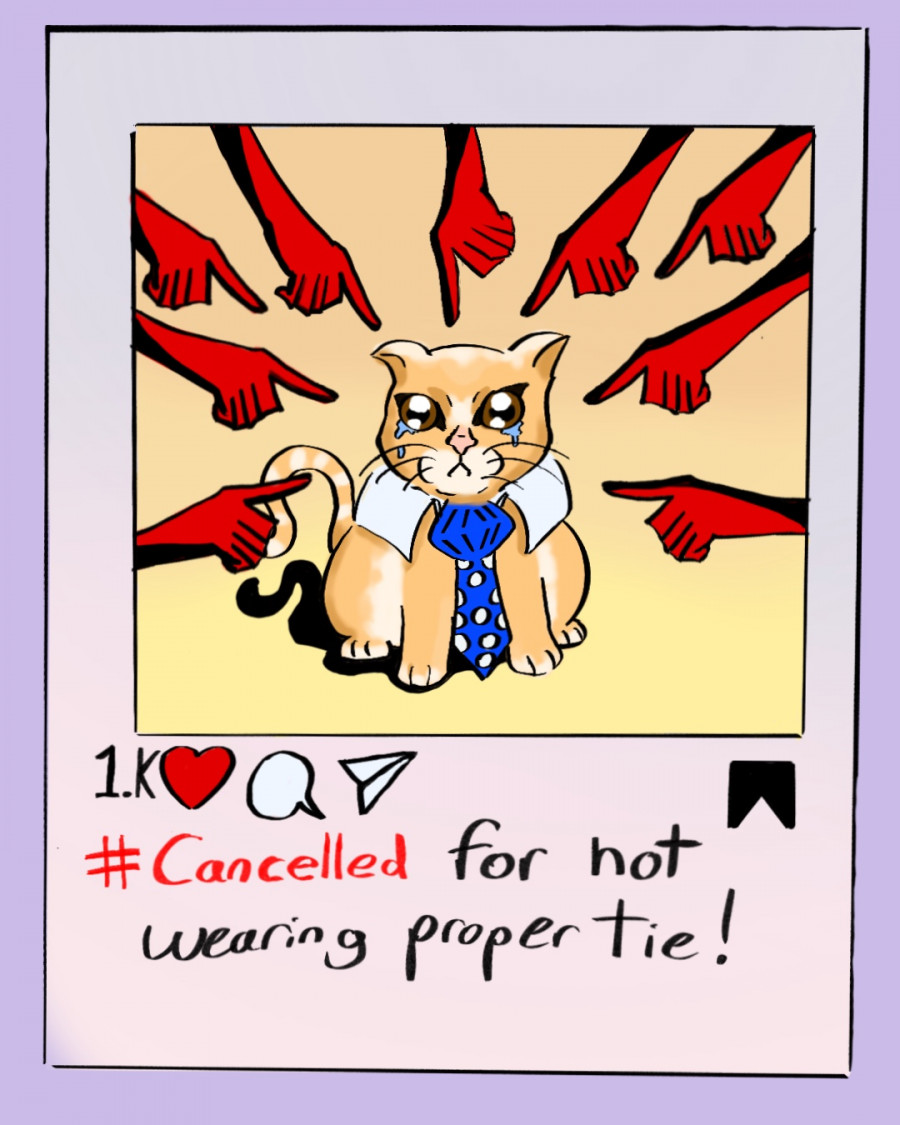
Cancel culture has become Frankenstein's monster, killing its own creator. What began as a way to hold people accountable has devolved into community infighting, undermining movements and ignoring the root of the issue.
It didn’t start out this way. Cancelling people originated in Black and queer communities, eventually making its way onto Twitter as a way to hold the rich and powerful accountable in the court of social media public opinion. It was a way to take back power in situations where a court of law would never try the guilty party.
This blossomed into the #MeToo movement, where people came forward online to share their experiences of sexual harassment and assault. In this case, cancel culture provided some level of justice that wouldn’t otherwise exist. It helped show some of the extent of the sexual violence that people experience, and provided community to survivors who would otherwise feel alone.
Online cancel culture always relies on the testimony of victims. Unlike a court of law, the court of public opinion doesn’t need proof. Once someone points fingers online, the accused is guilty now and forever.
The movement had actual impacts on these perpetrators. A major example of cancelling in its heyday was the #MuteRKelly movement, which targeted musician R. Kelly after decades of sexual abuse allegations—some from minors. The social media storm led other musicians to withdraw their support from R. Kelly, and there was a widespread boycott of his music and concerts. His record label then terminated its relationship with him, and he was in disgrace by the time of his 2021 conviction.
Yay! The internet did it! We actually held someone accountable. Woohoo. But that initial success of cancelling criminal celebrities morphed into something else along the way.
The shining promise of accountability that cancel culture once held has dimmed. The transgressions worth cancelling over became smaller, and the targets stopped being rich and powerful criminals, instead becoming other members of leftist online communities.
This is not about false allegations of sexual assault, which aren’t common, at around eight per cent. The focus on these fake reports in the media is stifling to those who’ve been assaulted and are scared to come forward.
But cancelling isn’t just used for actions or hate speech. Anyone can be cancelled for a single tweet, which becomes representative of their whole ideology. People aren’t given an opportunity to be informed about what they said, why it was wrong and to enact real change in themselves (which is a real thing that people do).
Cancelling is happening within left-leaning communities with increasing frequency—in a Lenin vs. Mao ideological purity sense. Stating an opinion that even slightly differs from your comrade might get you excommunicated, while those trying to take others’ rights away are ignored. There are politicians and powerful people actively doing terrible things, but we’re so focused on political uniformity on the left that their transgressions are ignored.
The Conservative Party in Canada almost voted to unban conversion therapy with a majority voting in favour, and their policies are overlooked and abstracted. Meanwhile, I buy the wrong shirt, and I am crucified for being a boot-licking, ultra-capitalist-loving, fascist traitor. It feels like I’m going to be drawn and quartered in the town square.
Genuinely horrible people seem immune to consequences again, like they did before, and cancelling is no longer effective. Donald Trump has been charged with sexual assault, and yet remains the president. Former prime minister Justin Trudeau did blackface, and no one really cared. Quebec Premier Paul St-Pierre Plamondon said the n-word in 2022, live on TV, as a campaign strategy—no cancellation, no consequences.
Go get ’em, guys, they’re standing right there! But no, our activist energy is wasted on tracking each other’s tiny, insignificant faux pas. We’re too busy fighting each other to see the real enemy, and even when we do, they’re so untouchable that fighting for accountability feels hopeless. The modern version of cancel culture is only making it easier for bigoted voices to drown out real progress and activism.
If we’re fighting over who’s a purer leftist, then who’s flying this plane? The alt-right—that’s who.
This article originally appeared in Volume 47, Issue 6, published November 24, 2026.