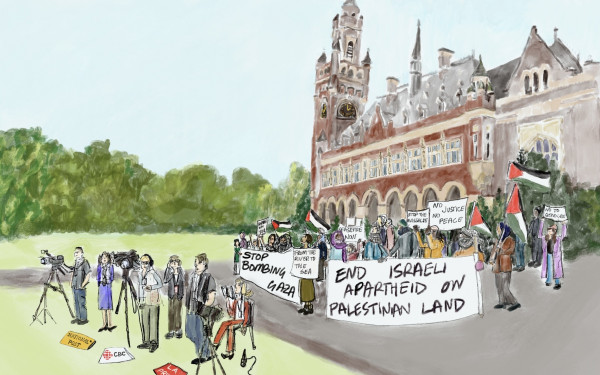
You can’t save the whole world
Maintaining a constant awareness of global suffering isn’t sustainable or helpful
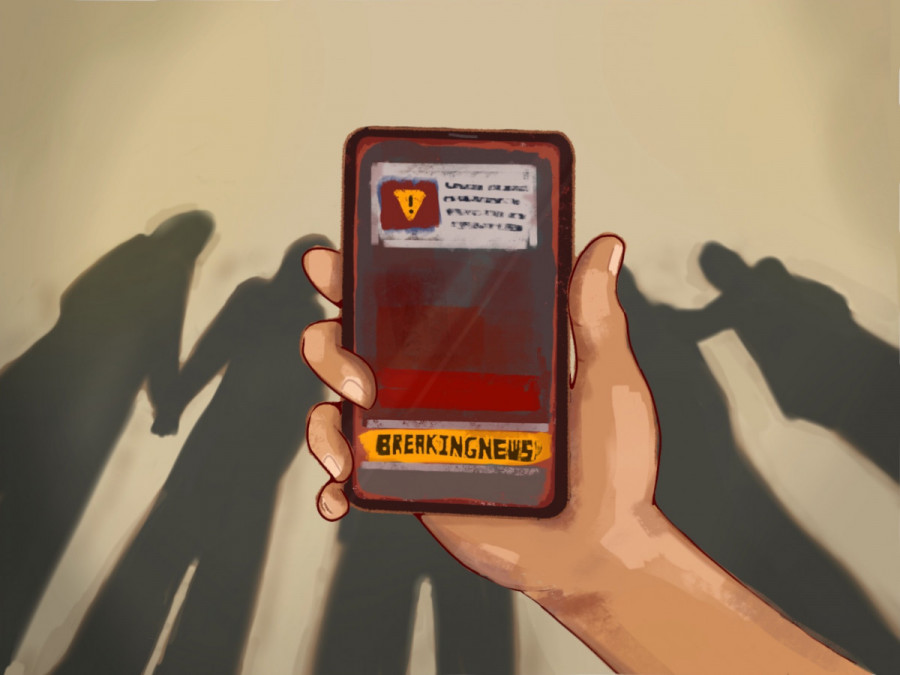
With daily news cycles spewing out global horrors non-stop, it can often feel as if we’re completely entombed in human suffering.
Online platforms amplify attention-grabbing content, making every crisis feel urgent and constant, while some critique those who aren’t actively fighting for a better world every second of the day. It can be hard to draw the line between meaningful concern and simply making ourselves suffer along with the rest of the world. We’re pressured to feel like we should.
It isn’t a bad thing to care about the world’s well-being, and it’s normal to feel overwhelmed by humanity’s suffering. As humans, we’re wired with a desire to help. This is a good thing, but it's best accomplished with a community and is not very productive alone.
The internet has seen a rise in information overload, with people receiving information outside of their control at increasing rates. With this emergence of easy and daily access to horrors and pain all over the world, we’re now exposed to degrees of global suffering our ancestors would’ve been mostly blissfully unaware of.
The increase in effortless information access helps elevate the voices of those suffering, but it can only go so far when a large portion of that audience is powerless to directly intervene.
This feeling of powerlessness is often compounded by expectations from strangers online about your activism. Social media often treats silence as indifference, pushing people to post and speak up only to avoid judgment or ostracization.
That doesn’t mean you owe anyone anything, and chasing social approval online can drain your energy without creating real-world change. It’s certainly an immense privilege to tune out the daily global noise from the news cycles, but that doesn’t mean it’s a wrong thing to do.
Identifying the limits of your individual ability to impact the world is crucial in navigating the overloaded news cycle. Working outside that limit in the long term can lead to discouragement and burnout, which can negatively impact your ability to help address issues you care about.
Making small changes within your scope of control towards a large issue is more effective than worrying about managing the entire global situation on your own. There’s no world where that is healthy or sustainable.
Many try to carry the weight of daily horrible news alone, but community support is a crucial part of successfully coping with the overwhelming amount of suffering the news subjects us to. Fixating on the suffering of the whole world feels hopeless and even isolating. Community is the antidote to that feeling and the key to creating impactful change at a healthier scale.
Every successful or even mildly impactful social change has come from a community of like-minded individuals with the same global stress and the same drive to do something about it.
Organized action is more successful, and participating in community-oriented movements provides a network for coping with the effects of the world’s suffering. Through small gestures such as volunteering, donating, voting or advocating, real change often happens quietly and without needing an audience.
You won’t and can’t save the world, but you can take small steps towards making it a better place by what you do in your community. No one can tell you what your activism should look like, and there’s no guilt in putting yourself first sometimes.
This article originally appeared in Volume 47, Issue 6, published November 24, 2026.