FASA opens anti-austerity week with town hall and general assembly
The Fine Arts Student Alliance organized a town hall and a general assembly to discuss austerity, AI and other concerns
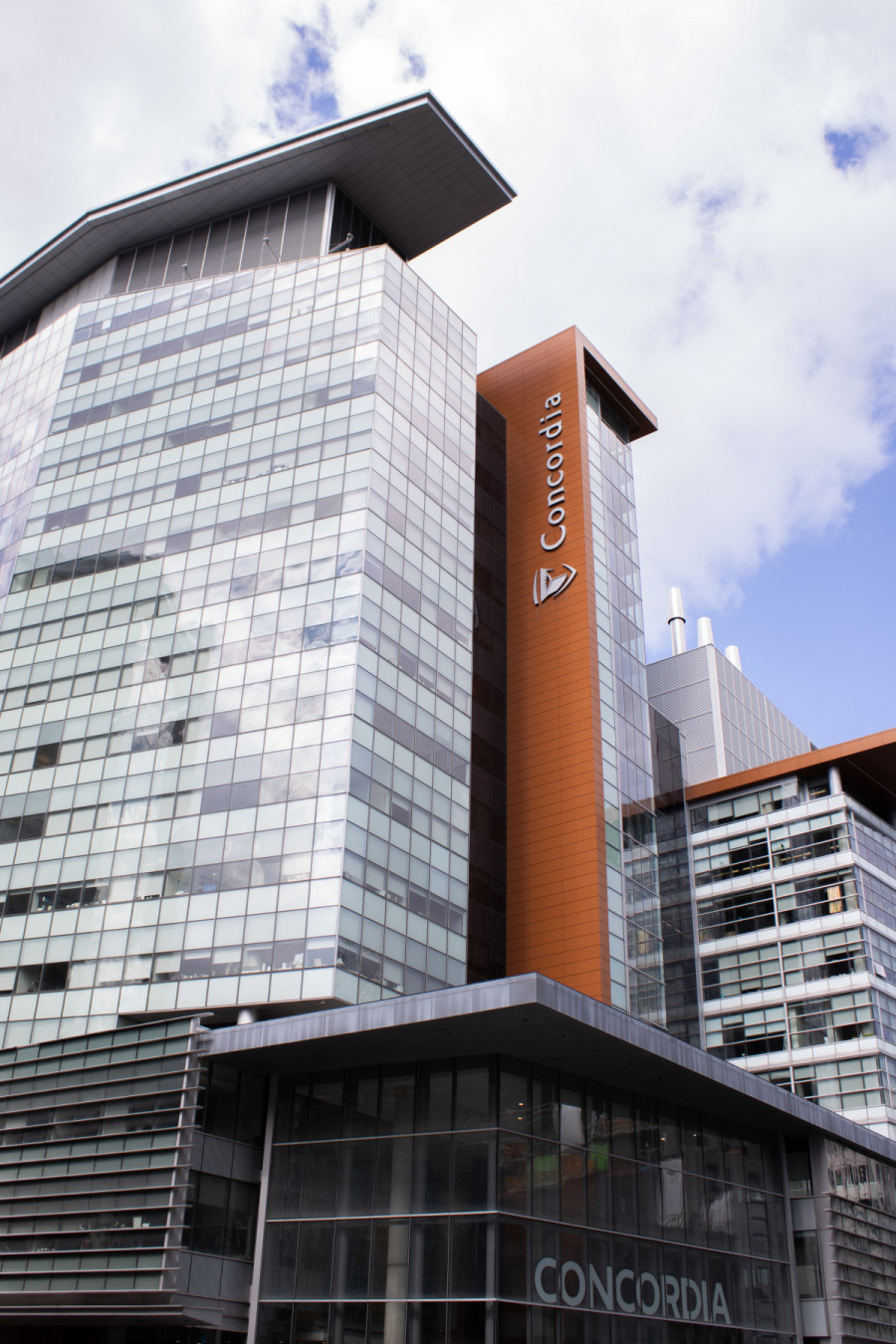
The Fine Arts Student Alliance (FASA) held a town hall meeting with fine arts dean Annie Gérin on Nov. 3. The meeting's agenda mainly addressed student concerns with artificial intelligence (AI) usage in the fine arts department and budget cuts affecting lab and studio hours.
FASA then held a general assembly on Nov. 5 where members voted to adopt a new book of positions.
These events mark the start of this semester’s first week of anti-austerity, organized by Concordia Student Union campaigns, the Arts and Science Federation of Associations and FASA. It began with the town hall on Nov. 3 and will end on Nov. 13 with a protest at Square Victoria.
The planned schedule is inspired by the week of striking that the Coalition de Résistance pour une Unité Étudiante Syndicale (CRUES) called.
Concordia University has no official position on AI use in the classroom. Each professor is responsible for stating their position and expectations surrounding AI use in coursework.
FASA’s mobilization coordinator Alice Ross expressed concern that the power imbalance between students and professors might make it difficult for students to openly speak up about unwanted AI use in their coursework.
“We need policies; we need faculty, not just [in] fine arts but Concordia-wide, to take a stand and really protect students, protect profs as well,” Ross said.
At the town hall, Gérin said she didn’t see a one-size-fits-all policy because other sectors in the university already use and research AI. She brought up that AI use for teaching purposes is protected under a professor's academic freedom, adding another complication.
“It is our role to actually give you the tools to make your own decision [on professional AI use],” Gérin said. “There’s absolutely zero intention of forcing students in all disciplines to use it.”
The discussion concluded with Gérin saying AI is here to stay, and that is something humans have to contend with.
“The reality is that all of us are going to be dealing with AI at one or another point in our life,” Gérin said. “I don’t love it personally, but it’s what it is.”
The rest of the town hall discussed cuts to studio hours and issues with understaffed technicians.
Since March 23, access to the Visual Arts (VA) Building has changed: after 11 p.m., undergraduate students who want to enter need an enabled student access card and special permission from a professor.
Recent changes have also made certain services, like printers and labs, inaccessible to some students on weekends. In the past, they were available every day, according to older students.
“What makes it worth going to university is access to all these resources, so when they cut it, [it brings into] question if they can even connect with our experience of university anymore,” Ross said.
At the meeting, students said the new card system has made entering the VA building harder than necessary, and the lack of weekend hours has been a substantial detriment for students with limited time during the week.
“It is concerning that the university decides that cuts like these are acceptable, yet they still spend upwards of $9 million on security every year,” Ross added.
Lucy Der, a first-year student in studio arts, said she has found it difficult to fit in time to do assignments for print media courses given the limited studio hours.
“You need the machinery, ventilation, you need all the equipment there [...] the only thing you can do [at home] is make your designs, and even then you still need the computer lab so it’s hard to balance,” Der said.
Many groups at different levels within Concordia and the faculty make decisions about technician cuts and studio hours, according to Gérin.
She assured students their feedback was heard and that she would make recommendations to the Provost's office.
At the general assembly on Nov. 5, FASA voted to officially join the CRUES campaign with a resolution committing students against austerity.
Among the new stances adopted is FASA’s complete opposition to generative AI in all its forms and practices.
Ross said after the town hall that while they believed the town hall was a success in turnout and in starting a dialogue with the faculty, it still left some students disheartened by the lack of conclusive answers.
“We are losing faith in the university to be able to support us in our endeavours. Students deserve to be considered and respected,” Ross said.