Theory of Ducks close out Turbo Haüs performance with humour and heart
The band delivers an emotionally resonant set to cap off a night of local talent
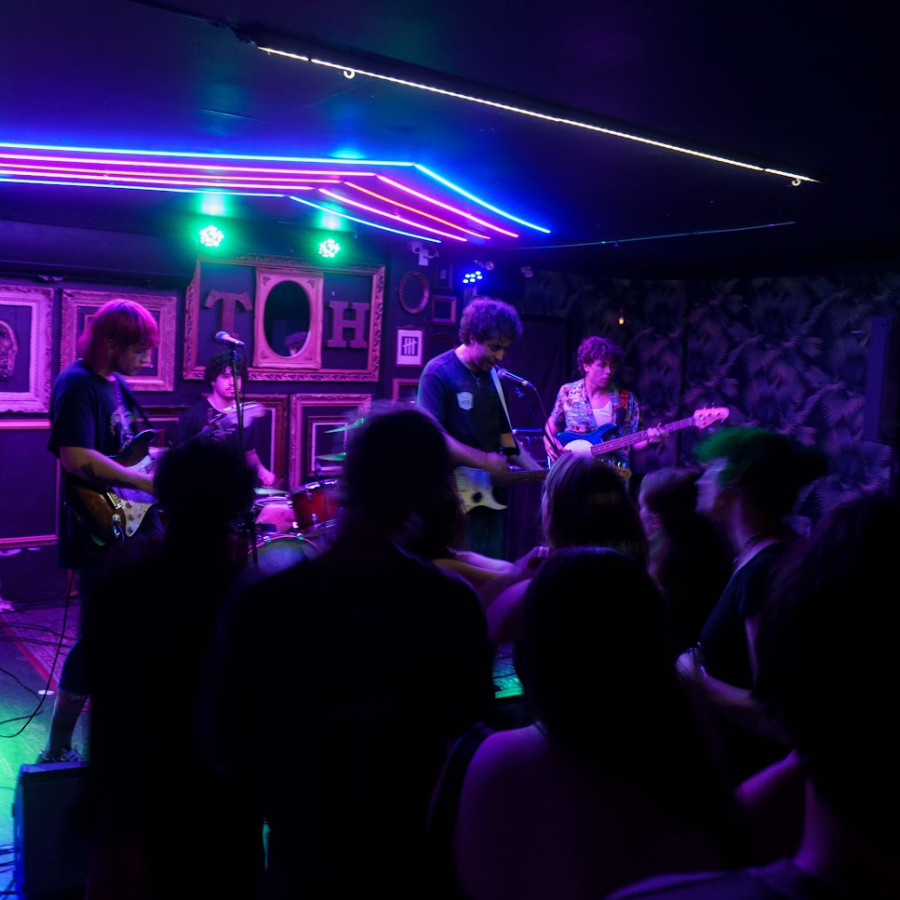
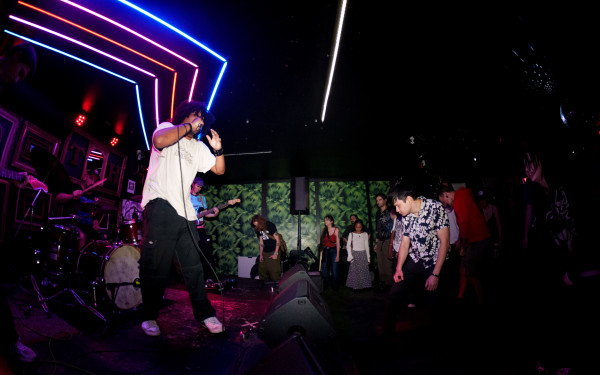
Turbo Haüs hosted a three-act lineup featuring dievanse, NIIVI and Theory of Ducks on July 13. Each band offered something different, but all performed with a shared sense of presence and purpose. Closing out the night, Theory of Ducks delivered a set that was technically sound and confident, marked by solid playing and natural onstage rapport.
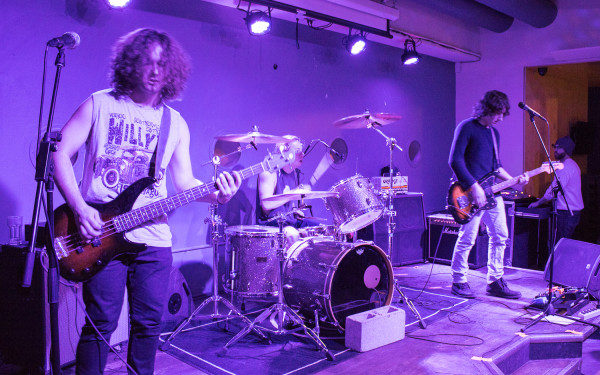
Theory of Ducks is the music project of Concordia University English literature student Saam Shahab, who began releasing music as a solo artist. While the solo act remains, Shahab formed a live band under the same name to bring his music to local stages. The group includes Matty Fudge on guitar, Benny Gaucher on bass and Ilai Eirew on drums.
Their chemistry was undeniable from the moment they stepped onstage, immediately joking about the heat as they set up.
“I think I feel a slight breeze from the fan, but I could be going crazy,” Fudge said, squinting towards the ceiling. The tone stayed light as they cracked jokes, teased each other between songs and laughed through tuning mishaps.
The band played original songs, both released and unreleased, including "Charlie," "Road Kill" and "Grandpa," as well as a cover of Alex G’s "Harvey," a nod to one of the band’s musical inspirations.
"Grandpa," one of the first songs Shahab wrote, took on a new weight live, with expanded vocals and a heavier presence. Their sound draws on indie rock touchstones like Elliott Smith, Big Thief and Big Star. Fuzzy guitars and soft melodies, paired with Shahab’s rough-edged vocals, created something raw, emotional and unique.
Despite a few new or loosely rehearsed tracks, the band never faltered. They embraced the spontaneity and the willingness to try songs that had not been played live before, using them to build trust with the crowd.
The band’s dynamic was equal parts tight and goofy. Gaucher frequently grabbed the mic between songs to entertain the audience and talk about video games, focaccia bread, underwhelming GURU energy drink flavours, and time signatures, adding to the charm of the group.
The crowd itself was a mix of Concordia students, friends and other musicians.
Attendee Sabine Salim-Ullyot, who has seen the band before, said the show was on par with their best.
"The sound system made a huge difference compared to other venues," they said. "It’s just nice to see people you know flourish."
Salim-Ullyot noted that the show reflected what makes Montreal’s music scene unique, with its smaller, lesser-known bands still having the opportunity to perform in respected local venues.
“This show is so representative of Montreal music culture, […] bands like this are able to perform in venues like this even when they are not hyper ridiculously famous,” Salim-Ullyot added.
“This show is so representative of Montreal music culture, […] bands like this are able to perform in venues like this even when they are not hyper ridiculously famous,” Salim-Ullyot added.
Turbo Haüs, known for its solid acoustics as well as cosy layout, was the ideal match for Theory of Ducks’ indie rock sensibility, even after the two heavier-sounding bands prior.
After the set, the band reflected on what it meant to play in that space.
"It was the first time I could actually hear my vocals on stage," Shahab said.
Eirew called it a rewarding experience to finally have proper drum mics, and Gaucher said the band felt "tight and synced."
"To have the thing you labour over be cared about is really nice," Gaucher added.
But even as the night showcased emerging talent, it also highlighted the precarity of local venues. With popular Montreal venue Blue Dog recently announcing its closure on July 10 due to financial stress, concerns about the future of local performance spaces have grown. Even Turbo Haüs has faced noise complaints in the past, a reoccurring issue for music venues in the city leading some to close their doors. Fudge shared his concerns.
"The hope is that as one place shuts down, another opens up,” Fudge said. “But I worry they’ll be replaced by corporate bars that don’t give us or other artists the same opportunities."
Shahab agreed, noting Montreal’s importance for so many up-and-coming bands.
“It’s a shame seeing these venues shut down because they’re the ones giving artists like us the chance to perform," Shahab said.
Learning to navigate the ins and outs of the music scene has been part of Shahab’s process. He booked the show by reaching out to dievanse and NIIVI, both of whom he discovered online or shared stages with before.
"We played with dievanse on their first show," Shahab said. "It felt full circle."
Toward the end of the night, the band teased an unnamed closer.
"We’re not going to tell you the next song. If you know it, sing it," Shahab said before launching into Pinegrove’s "Need 2."
The crowd immediately responded to Fudge’s strumming. Phones lit up, voices joined in and chants for an encore followed. With a quick nod from the sound tech, the band delivered one last high-energy track, "Moon We’re Doomed."
For a band still building a name at the start of their careers, figuring out the logistics of booking shows, and navigating the ever-changing local scene, Theory of Ducks feels remarkably self-assured. They’re still new, still goofy, still just a group of friends jamming, but they’re also tight, engaging and increasingly comfortable bringing their music into live spaces.
Theory of Ducks left the stage smiling, grateful and ready for what’s next, leaving the crowd with something to root for.