The sex hypothesis
The long-awaited representation of asexuality in Hollywood
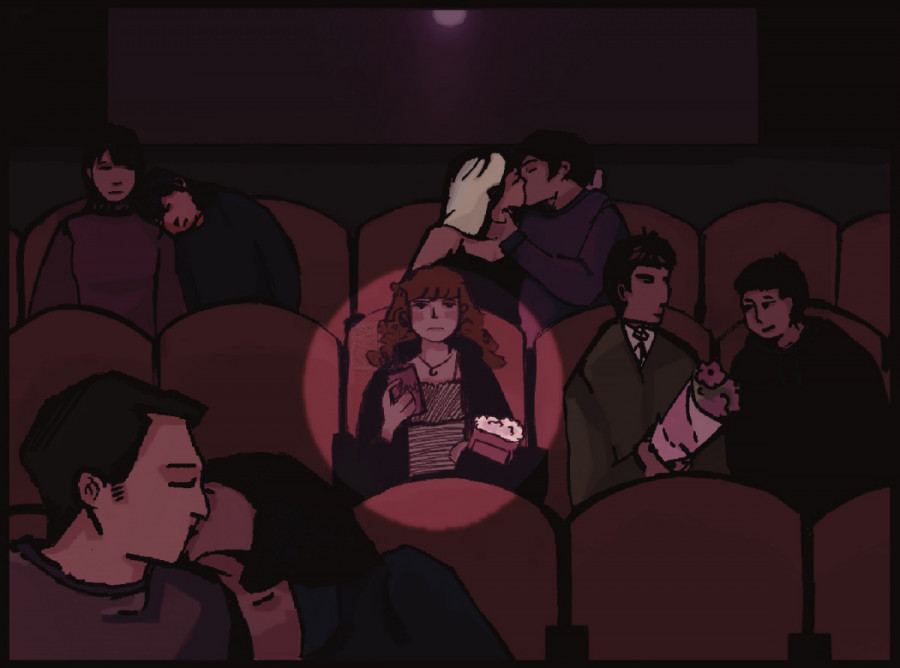
“It is rough out there for you demisexuals.” With eight words, Amazon Prime made history with the first mainstream movie to feature confirmed asexual representation.
September 2026 marked the release date of the eagerly awaited film adaptation of Ali Hazelwood’s BookTok sensation, The Love Hypothesis. The movie received mixed reactions. However, to the asexual community, which struggles to find themselves on the big screen, this felt like a huge moment.
But I couldn’t help but wonder if this steamy rom-com was actually made for us.
Hollywood follows Western society’s trends and values. The sexual liberation movement encouraged more and more explicit scenes to make their way into everyday television, no longer hidden away in the pornography category. Studios have seen that sex sells, and it seems that they refuse to make anything without sex, nudity or romance in it nowadays.
What room does that leave for asexuality?
Between the “bury your gays” and the “one season lesbian” tropes, every queer identity is fighting for adequate representation. Asexuality, however, presents its own struggles as an invisible identity.
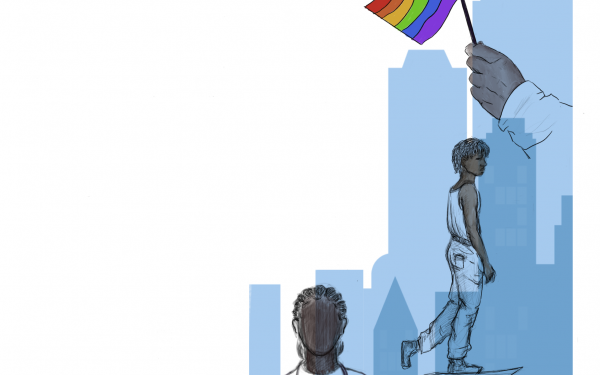
It can’t be simply demonstrated with two people of the same gender kissing. It requires verbal confirmation or clear signalling such as holding a flag—neither of which can be done in a subtle fashion. It requires conscious effort to integrate asexuality into a storyline in a way that makes sense, which is a task not many are willing or even allowed by their producers and studios to do.
The fifth edition of the textbook Diagnostic and Statistical Manual of Mental Disorders still categorizes the asexual experience as a mental disorder (with fine print exempting self-identification). The diagnosis requires a prolonged distress over a lack of sexual interest.
This distress, however, whether asexual or not, comes from a society inundated with sex. The personal use of one culturally unfamiliar word shouldn’t be the basis for being considered mentally disordered or not.
The rise in the acceptance of sex on screen permitted shows with a heavy thematic sexual presence such as Sex Education, Big Mouth, Heartbreak High (2022) and BoJack Horseman to be created. Additionally, through these shows, we are seeing a rise in asexual representation as their many seasons require them to find new storylines. However, this representation is limited and doesn’t cover the huge spectrum of experiences underneath the asexual umbrella.
Frankly, it would be insulting to say that these shows are made for us. Asexual representation is limited to side characters, with audiences forced to watch several seasons of a show to get to the asexual character who’s there for less than five minutes in one episode.
These shows are incredibly sexual, often centring romantic relationships and featuring explicit sex scenes, on-screen nudity, crude language and little outside plot, thus feeling alienating to many on the asexual spectrum.
When my friends started dating, my confusion with their experience was mistaken for judgment. Their interpretation of my reaction brought up shameful feelings in them, and they slowly stopped talking to me about their love lives. Consequently, the friends they turned to for romance and sex advice progressively became the friends they talked about everything with.
Watching a show with a “not having sex is okay” message as a side note feels the same as slowly becoming the side note in your friends’ lives.
That’s not to say there aren't positives to this long-awaited representation. These shows offer great education to people who are ignorant about asexuality. They can also provide comfort and a sense of belonging to those in the community who watch them.
However, it needs to be said that we’ve never been the target audience, including with The Love Hypothesis, whose intended viewers are the readers of its non-canonically asexual novel, leaving the asexual community still searching for something that is truly made for us.
This article originally appeared in Volume 47, Issue 4, published October 27, 2026.