Nostalgia Nook: Disney reboots
Golden era turned flop city
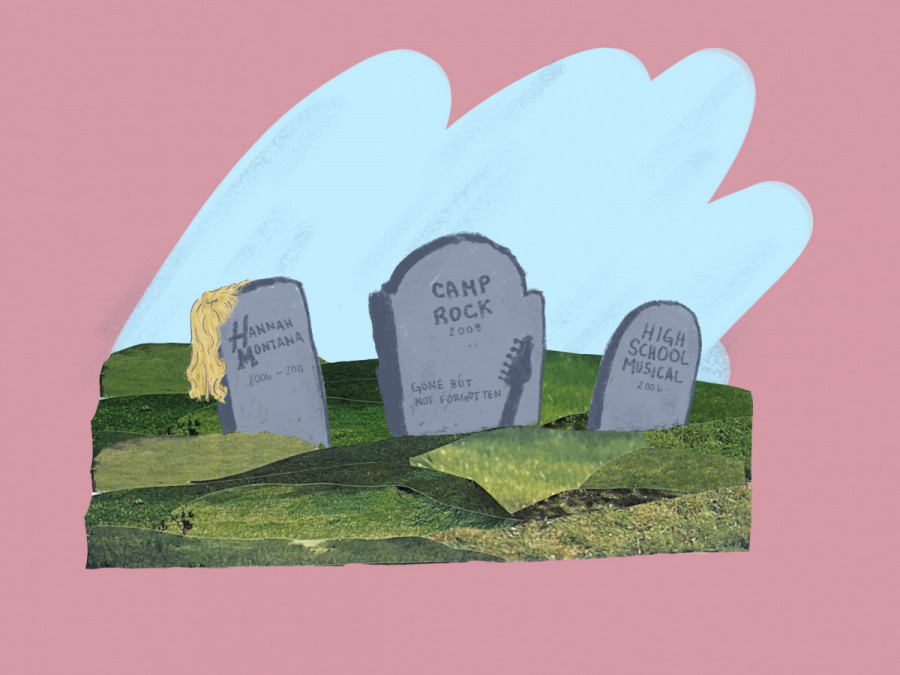
The early 2000s and 2010s were the prime time to be a kid with TV privileges. Disney Channel became the place to find witty pre-teen entertainment, so it was nicknamed the television network’s “golden era.”
Kids would hurry home after school to watch fun Disney Channel shows like Lizzie McGuire, Wizards of Waverly Place, That’s So Raven, Hannah Montana, as well as later shows like Shake It Up and Dog With A Blog.
But as the Walt Disney Company began releasing Disney Channel content on Disney+, the quality of the entertainment it put out declined.
Many revivals, spinoffs and reboots from its golden era got slapped with negative reviews, from the spinoff series of Sonny with a Chance to the recent Camp Rock 3. Live-action versions of Walt Disney Animation Studios originals, like the 2026 adaptation of Moana, also suffered negative reception while adding nothing to the original stories.
Writers and producers seem to think reboots absolutely need to lean far into an adult audience to succeed, but that’s not true. Reboots succeed when they bring the fun of old shows to a modern world. Without the adolescent themes that made the original shows so relatable and memorable, reboots feel stale and forced.
As a child watching Disney, I was right where I wanted to be—surfing a kids' channel. Some of the originals also had themes different age groups could associate with, like in the 20th episode of Good Luck Charlie, a show about a modern family and their wacky lives, when Teddy (the daughter) is cheated on by her boyfriend after the two had been dating since the first episode. Teddy and her mom have a heart-to-heart about navigating heartbreak and healing. I still can’t watch that episode without crying, and I’m in my 20s!
Yet these shows were never secretly made for adults, nor did they pretend to be. Disney’s strongest children’s shows were popular because they were unapologetically made for a younger audience.
When Lizzie McGuire was set to release a reboot, it was cancelled due to “creative differences” between Hillary Duff and Disney+ executives. Duff wanted to go for more explicitly adult themes, including some mildly sexual suggestions, while Disney wanted to keep the original’s light-hearted fun and drama.
Although I'm sad I may never get to see more of Lizzie McGuire, I also think this decision was right.
I watched reruns of Lizzie McGuire after school and related to Lizzie’s cheesy adolescent struggles. Just like any other fan, I want to relive the laughs, the drama, the wackiness and the heartbreak all over again, and Duff’s suggestions would’ve sucked out all of the good-feeling nostalgia.
Reboots are often continuations of the originals, so it’s fun to watch the story progress into a brand-new era while still reliving the nostalgia of our youth. Today’s kids deserve to experience the lessons, emotions and creativity of these shows for the first time through a modern lens.
Leaving kids out entirely would make the Disney reboot feel more like a revival of F.R.I.E.N.D.S. or Seinfeld when it’s supposed to be Lizzie McGuire. Not only does it take away the nostalgia of kid-friendly content, but it also pushes kids out of entertainment that was originally meant for them.
This leaves them vulnerable to other spaces that are not specifically for them, such as social media, increasing their chances of being exposed to adult content.
Not to mention, with the rise of brainrot and short-form videos, the 20-to-30 minute episodic structure of some of the older Disney Channel shows could help ease children into longer content without straining their attention spans too much.
Putting a modern spin on an old Disney favourite can benefit all viewers. Our nostalgia for our favourite shows still lives in the originals, but revivals can add to the memories and keep the show fresh and interesting.
This article originally appeared in Volume 47, Issue 2, published September 22, 2026.