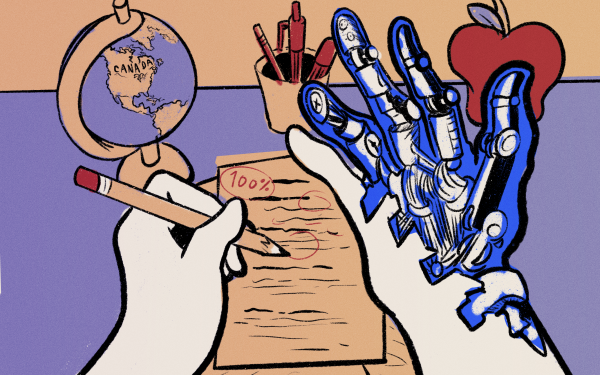
Is a bachelor’s degree keeping its promise?
A degree can provide knowledge and opportunity without providing a clear destination
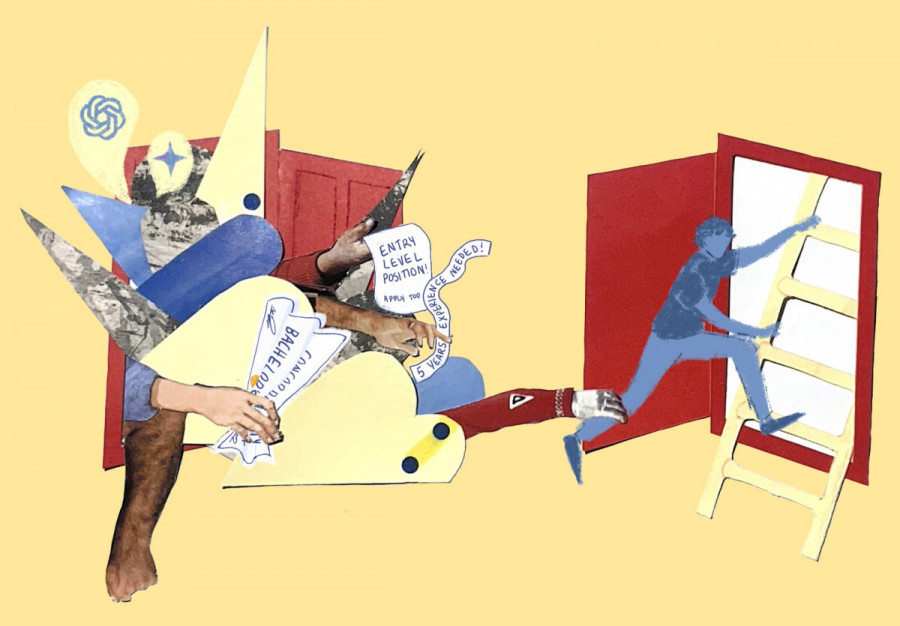
For as long as I can remember, university has been presented as a fairly simple equation: choose a "good" degree, work hard, graduate and you’re guaranteed to find stability.
Some degrees seem to carry that promise more strongly than others in today's world. Engineering, medicine, law and finance are often seen as safe choices. We're repeatedly told they'll open doors and lead to steady careers.
As a university student myself, I'm no longer convinced that choosing the "right" major guarantees anything.
I'm in the process of completing a Bachelor of Science. I often hear that a science degree looks great on a resume and paves a direct path to a career. I believe it can, but having many possible paths laid out in front of you is different from knowing one of them will definitely lead to a stable job.
This issue is bigger than any particular degree. No matter the field of study, entering the workforce feels increasingly difficult for current university students. We're told to get a post-secondary education to become qualified, yet these days, a degree alone does not seem to make us qualified enough.
Even entry-level positions often ask for previous experience. We are therefore expected to build experience while completing our studies. Internships, volunteering, networking, student organizations, part-time work and personal projects can start to feel less like opportunities and more like requirements.
This impossible cycle raises a frustrating question: how much are students truly expected to accomplish before they're even considered employable?
Technology and the ever-growing impact of artificial intelligence on workforces complicate this question even further.
While technological changes force students to consider how secure certain careers will remain in the coming years, they have also simultaneously created entirely new ways to earn a living. People can develop skills online at low cost, freelance, build portfolios, start businesses or work in digital industries where what they can do matters just as much as the degree on their résumé.
These developing industries make the value of university more complicated.
If someone can learn a marketable skill outside a classroom, gain experience online and build a career without spending years and thousands of dollars completing a degree, students will naturally ask whether a traditional education is necessary.
Education provides knowledge, discipline and opportunities that online learning cannot always replace. But its role is changing.
Students today often have to treat university as only one part of their career preparation. I still believe education has value. But students deserve more honesty about what a university degree represents today.
Choosing a traditionally strong major may improve your chances. It may open doors and lead to a relatively secure profession, but it will never give you absolute certainty.
The real issue is no longer simply which degree is safest. It’s whether our education is giving us the knowledge and practical skills we need to build a career. If the job market is changing, what students learn should also evolve with it, rather than leaving them wondering how much of their education will truly help them once they graduate.
This article originally appeared in Volume 47, Issue 2, published September 22, 2026.