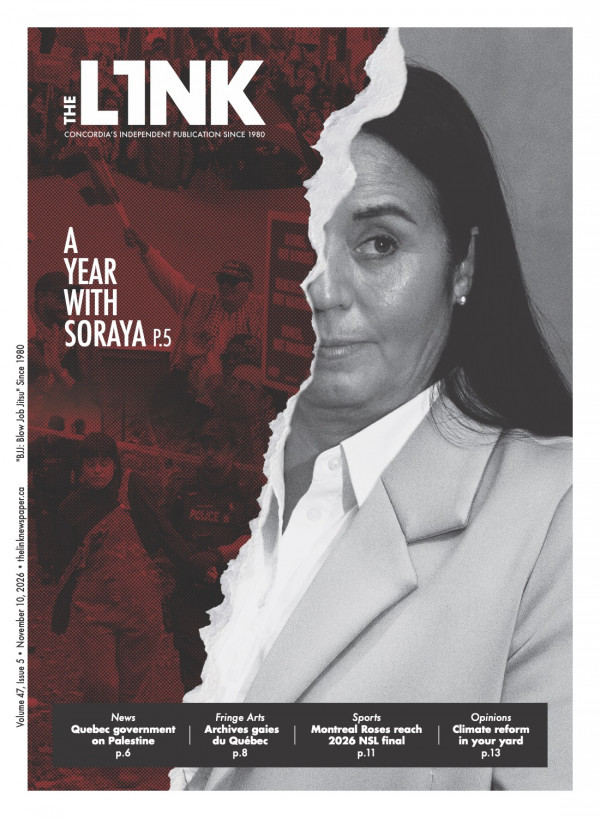
A year with Soraya Martinez Ferrada
What Montrealers think about the change of power in the city
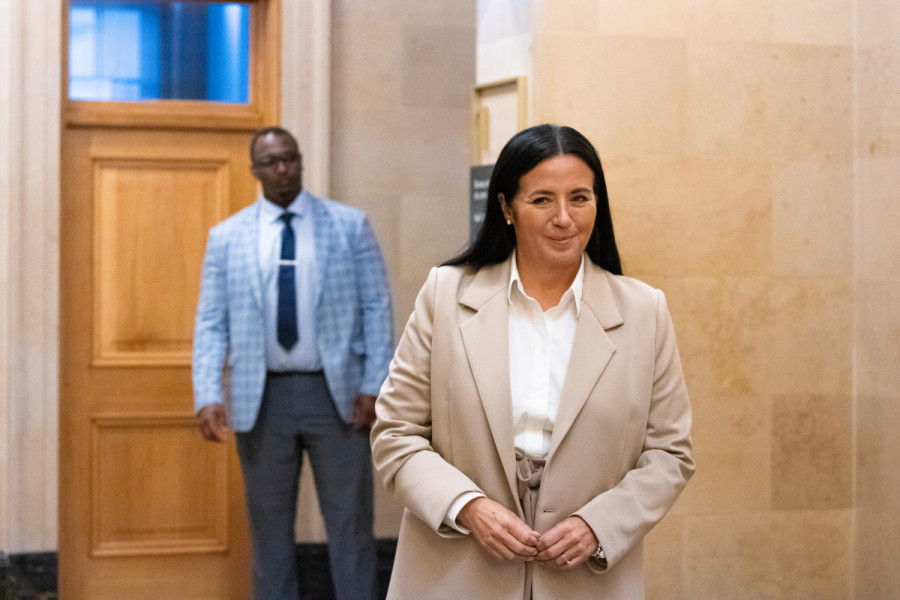
Soraya Martinez Ferrada became mayor of Montreal on Nov. 2, 2025, with a 37.7 per cent voter turnout, the lowest in 20 years.
During her campaign, Martinez Ferrada promised Montreal that she would reduce the number of city bike lanes for safety reasons, conduct an inventory of construction sites to improve traffic flow, improve housing development, increase the budget to address the unhoused crisis and cut civil service jobs.
Mayor Martinez Ferrada has implemented policies since she was elected to address poverty, focusing on financial incentives. Her administration has increased the budget for the unhoused crisis and has allowed people living in encampments at specific sites to stay rather than being removed.
Her administration’s other policies in Montreal have included loosening rules for housing developers and offering dozens of city-owned lots for projects to ease the housing crisis.
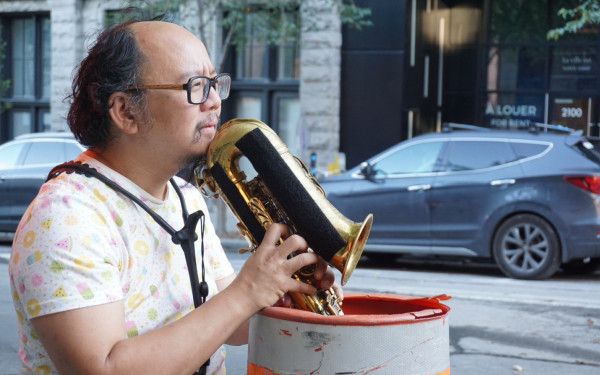
Mathis Lambert, a McGill University student who grew up in Montreal, expressed his discontent with the mayor’s policies on housing, affordability and poverty.
“Those are things I want to see her make her progress on, since she said she was going to do something about it. I think we should still give her a chance, but at the same time she has to be held accountable for the promises she made since she is our mayor,’’ Lambert said.
Housing prices are rising, and many Montrealers struggle to afford necessities such as food, cleaning products and daily essentials, all while paying higher rent.
‘‘My biggest concern is housing affordability. The prices in Montreal are kind of crazy, and it’s becoming harder for younger people like me to afford to live here, especially if I want to buy something. It’s almost impossible,’’ — Mathis Lambert, McGill University student
Many citizens worry about what the next three years will bring and what Martinez Ferrada will do about these concerns.
‘‘My biggest concern is housing affordability. The prices in Montreal are kind of crazy, and it’s becoming harder for younger people like me to afford to live here, especially if I want to buy something. It's almost impossible,’’ Lambert said.
Montrealers have been expressing more discontent with Martinez Ferrada in the news. The Montreal city council adopted a new bylaw banning insults to police officers and other municipal employees, resulting in fines of up to $1,000 for a first offence if a citizen violates it.
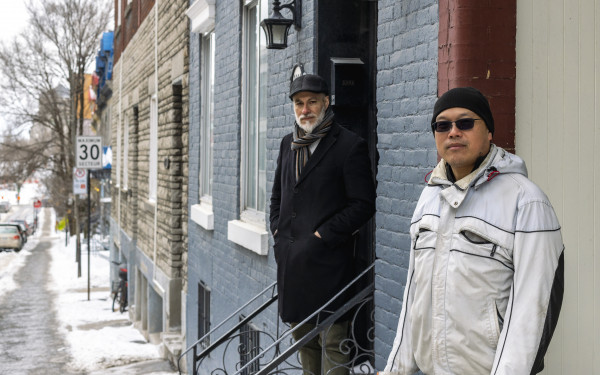
‘‘I wish to see Soraya care more for us as citizens. The fact that she is consistently funding the police and protecting them when they’re already at a level of authority, where does that leave us as citizens of this city?’’ Montrealer Amélia Turcotte said.
Ensemble Montréal set an $860.29 million budget for the police in 2026. In 2025, the forecasted real spending was $884.67 million after spending figures showed the police department was veering towards a $60 million overrun. The department said it has been cutting overtime and other expenses.
Frustration is growing in the city over this new bylaw, with many Montrealers feeling unseen and unheard.
According to Turcotte, citizens feel as if Martinez Ferrada is prioritizing the well-being and protection of police officers, who already have multiple measures of protection, over innocent civilians using their rights.
“The police have body cameras now too. If anything, we as citizens need that extra protection for our own sake. Look at what happens when citizens use their right to protest and to demonstrate on the streets. The police will stare you down, ready to start a fight,’’ Turcotte said.
Police violence experts have stated in the past that research on body cameras demonstrates that they do not improve police accountability or reduce police violence.
‘‘I wish to see Soraya care more for us as citizens. The fact that she is consistently funding the police and protecting them when they’re already at a level of authority, where does that leave us as citizens of this city?’’ — Amélia Turcotte, Montreal resident
More citizens feel Martinez Ferrada’s policies do not respond to the city's needs.
“I never liked her, and I didn't vote for her and I was really sad when she got elected. So far she’s making everything go backwards,” Émilie Gagnon, another Montreal citizen, said.
Gagnon also expressed her discontent with the mayor on housing issues, saying Martinez Ferrada used to be a landlord and therefore will not stand in solidarity with tenants.
News circulates about the policies Martinez Ferrada implements, but citizens do not recognize the changes and are unsure whether she has kept the promises she made in her municipal campaign.
‘‘It's a bit of a mixed picture,’’ Lambert said. “Housing and homelessness are where I think she should put more effort into. I often pass through Jean-Talon metro or Berri-UQAM where poverty is a big issue. She campaigned on helping with that, so it would be nice to see an improvement.”
According to Gagnon, Montrealers need to speak up for their city and tell Martinez Ferrada what they want to see for the rest of her mandate.
‘‘I think people need to speak up more, care, organize and protest and remind politicians that they work for us, not the other way around; they need our votes. That is our tax money; we are paying their salary,’’ Gagnon said.
Lambert said he thinks Montreal is a great city, but Martinez Ferrada must address these problems.
‘‘It’s hard for our mayor to fix everything immediately, but she did make promises, and it would be nice to see them completed,’’ Lambert said.
The Link reached out to Ensemble Montréal and Projet Montréal, who both said they were too busy to comment.
This article originally appeared in Volume 47, Issue 5, published November 10, 2026.