Almost you, connecting beyond algorithms
Presqueyou.com is a bilingual missed connections website based in Montreal
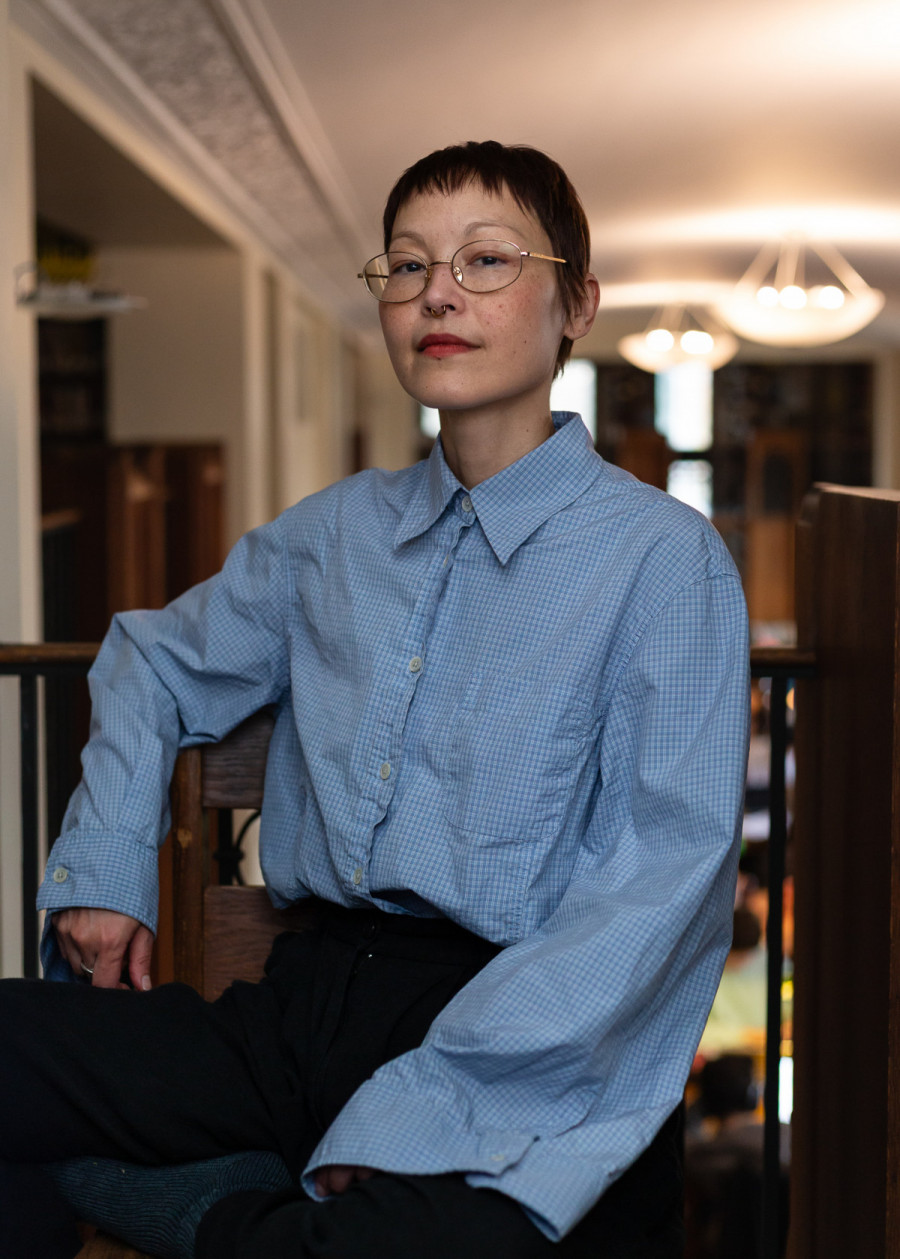
Presqueyou.com is a Montreal-based missed connections website that allows users to immerse themselves in the experience of the old web.
Created by Christina Phensy, the website has a very simple layout. It evokes an earlier era of the Internet—one that is less dominated by algorithms.
The name plays on the French phrase presque vu, or almost seen. It also literally means almost you, a testament to the poetic format the site employs.
“I also really liked the idea of it being sort of like a love confession site, just as an exercise in poetry,” Phensy said.
Phensy, a technologist and graduate student in computer science at McGill University, created the website to explore the dating world without relying on dating apps.
“I’m encouraging people to interact with each other through technology and socially without relying on large corporate platforms,” Phensy said.
The inspiration for the site came when Phensy was at an event and was having fun banter with someone. They could not quite tell if it was flirting, but it was enough to remind them of Craigslist’s missed connections. Phensy wanted to create something in that vein without Craigslist's baggage.
“I think our culture is getting less and less confident meeting in person,” Phensy said.
They wanted their website to help with this modern issue.
“It could also be community-based, because you’ll connect with people that you’re in the same actual space with in real life,” Phensy said.
Phensy’s own dating search has familiarized them with the unique interactions that arise from dating apps—something they do not enjoy. They described the website as an experiment in finding alternative channels of connection.
I think modern dating culture can be exhausting and the idea that people could connect in this way felt very nostalgic and sweet. — Sarah Baro, user, presqueyou.com
“I’m really interested in the intersection of society and technology and art,” Phensy said.
On the site's aesthetic, Phensy described it as nostalgic and minimal. Opening the website in a computer browser shows you a phone-screen-like layout of notes to scroll through. It is black and white with green accents.
Phensy once again took inspiration from Craigslist, noting how simple the user interface is.
“I wanted to bring that into the aesthetic, which communicates that feeling of DIY,” Phensy said.
The do-it-yourself philosophy draws on the idea of a website in the style of the older internet.
“We used to program our own MySpace accounts,” Phensy said. “There was this idea of being able to get your hands into the tools and be a part of it; there was an accessibility to it.”
They feel this aspect has not lived on through the modern web.
This is not Phensy’s first foray into the world of making alternative options to social media. They previously built an app called Collective Network, which lets real-life creative groups communicate through technology.
In the app’s description on the Apple App Store, Phensy said the goal is to retrain users’ brains for digital autonomy, a goal echoed in the development of presqueyou.com.
Annabel Wing-Yan Fan is a PhD candidate at McGill who posted a short message on the site alluding to a person they met but could not contact.
Fan heard about the website through a friend and thought it was a romantic idea.
“There’s a sort of anonymity and melancholy to it that feels right for the autumn season,” Fan said.
Fan accessed the website on their mobile device. They found the user interface to be very clear and approachable.
“It’s also fun to scroll down the single column of notes to preview all the posts,” Fan said.
Sarah Baro is an environmental engineer passing through Montreal who also posted on the website. She used to read Craigslist missed connections posts and loved the idea of having somewhere to reconnect with someone who you could not contact in any other way.
“I think modern dating culture can be exhausting and the idea that people could connect in this way felt very nostalgic and sweet,” Baro said.
Phensy is interested in the idea of mixed realities. To them, that is how we integrate our digital selves into physical spaces. They want people to be inspired by their website to use the internet differently.
“There was a time when algorithms were not inherently a part of it, and that change just hasn’t been well-communicated,” Phensy said.
This article originally appeared in Volume 47, Issue 5, published November 10, 2026.