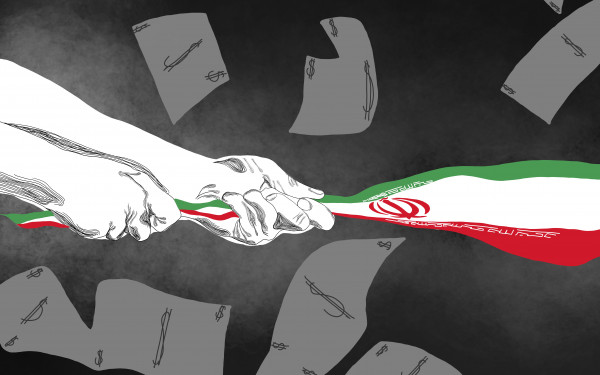
When solidarity is selective, silence becomes political
Iran protests, repression and blackouts expose how global solidarity is shaped
Protests have returned to the streets of Iran in recent weeks, driven by human rights violations, economic collapse, political repression and a growing sense that peaceful dissent is being met with lethal force.
Since late December, demonstrations have spread across multiple cities and provinces, drawing in workers, shopkeepers and students. Human rights organizations report dozens of protesters killed, thousands arrested, and widespread intimidation by security forces.
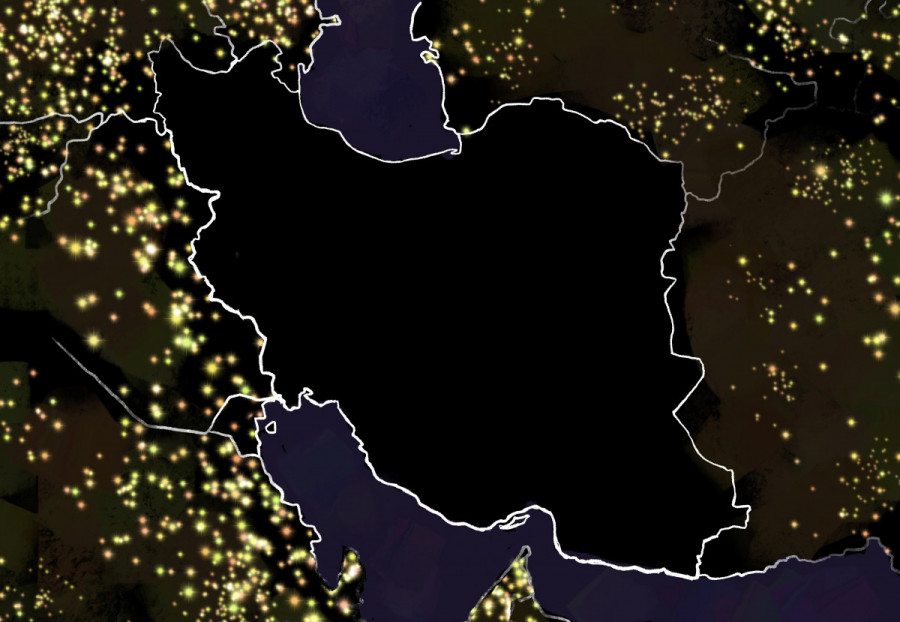
Access to the internet has been deliberately restricted nationwide, an effort to suppress not only protest but visibility itself. Yet beyond brief headlines, these events have largely faded from public conversation.
On university campuses that have shown they can mobilize around global injustice, the silence has been especially striking. This uneven attention is not accidental. It raises a deeper question about how we decide which crises demand sustained solidarity, and which are allowed to disappear.
The ongoing protests in Iran reveal a troubling reality: global solidarity is shaped not only by injustice, but by which injustices remain visible, legible and socially sanctioned to care about.
This is not an argument about which struggle matters more, nor is it a judgment on where one stands. Students can hold differing views on international crises.
What’s harder to explain is why repression and killings in Iran, especially of students and young people, have drawn so little sustained attention in spaces that can mobilize. The facts are clear. Independent human rights groups estimate dozens of protesters have been killed in the first weeks alone, with thousands detained. Among the dead are young people in their early 20s. Families have been pressured into silence or forced to accept official narratives that contradict eyewitness accounts.
These are not isolated incidents; they are part of a sustained campaign to crush dissent.
Students are central to the movement. Protests have spread across dozens of universities, with students facing expulsion, arrest and imprisonment for organizing demonstrations, chanting slogans or sharing information online.
Human rights monitors have documented killings by live gunfire during demonstrations. These are consequences for assembly, speech and dissent—rights that students elsewhere exercise freely.
The muted response to Iran is often explained as fatigue, complexity or the limits of attention. But when repression is paired with censorship and narrative ambiguity, it becomes easier for violence to continue without scrutiny.
In early January, Iranian authorities imposed a near-total internet shutdown, disrupting messaging platforms and limiting access to independent news. Human rights organizations have repeatedly warned that shutdowns are tools that enable abuse by cutting protesters off from the outside world.
In that context, silence is not neutral.
Universities often present themselves as spaces of critical inquiry, human rights and global engagement. Students mobilize when they believe an issue demands moral urgency. The situation in Iran tests whether that solidarity is broad, or whether it narrows when repression becomes harder to see.
For students at Concordia University, this moment should feel uncomfortably close.
Our campus has shown that it can mobilize through protests, teach-ins, statements and sustained conversations about global injustice. That capacity matters. When students elsewhere are arrested, expelled or killed for organizing in similar ways, the absence of response reflects a choice about whose struggles are treated as urgent.
Caring about Iran does not require expertise in Middle Eastern politics or taking sides in every global conflict. It requires recognizing that when people are punished and killed for demanding dignity, and when a state works to erase those deaths from public view, silence helps that repression take hold of the political environment.
Solidarity, in this context, is not saviorism.
It does not mean speaking over those in Iran or pretending that attention alone can bring change. It means refusing erasure. It means acknowledging that students elsewhere are risking their lives for principles many of us take for granted, and that looking away has consequences.
Moments like this force a difficult reflection: whether our silences reveal how solidarity actually works.
This article originally appeared in Volume 46, Issue 7, published January 13, 2026.



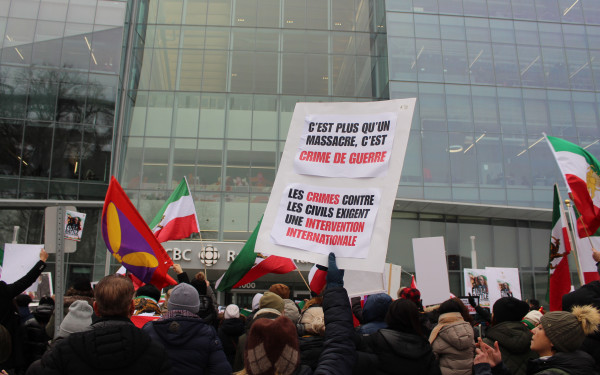
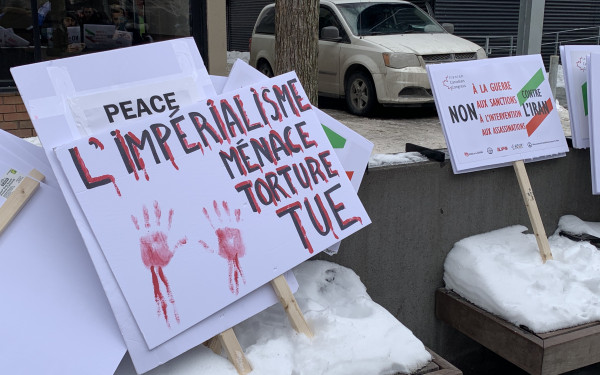
_600_375_90_s_c1.jpg)