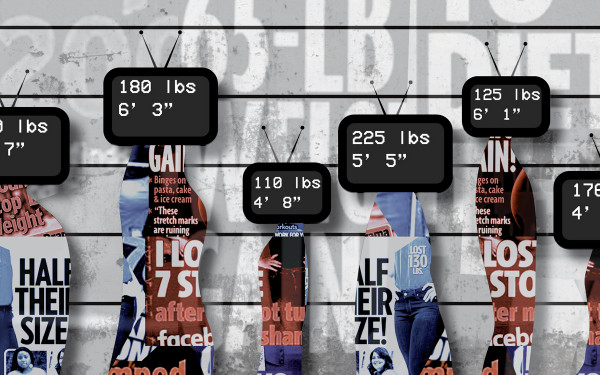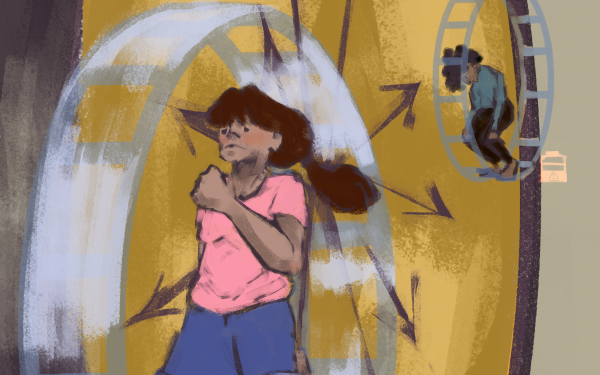
Are the kids alright?
Influencers are cementing themselves as the voice of our generation
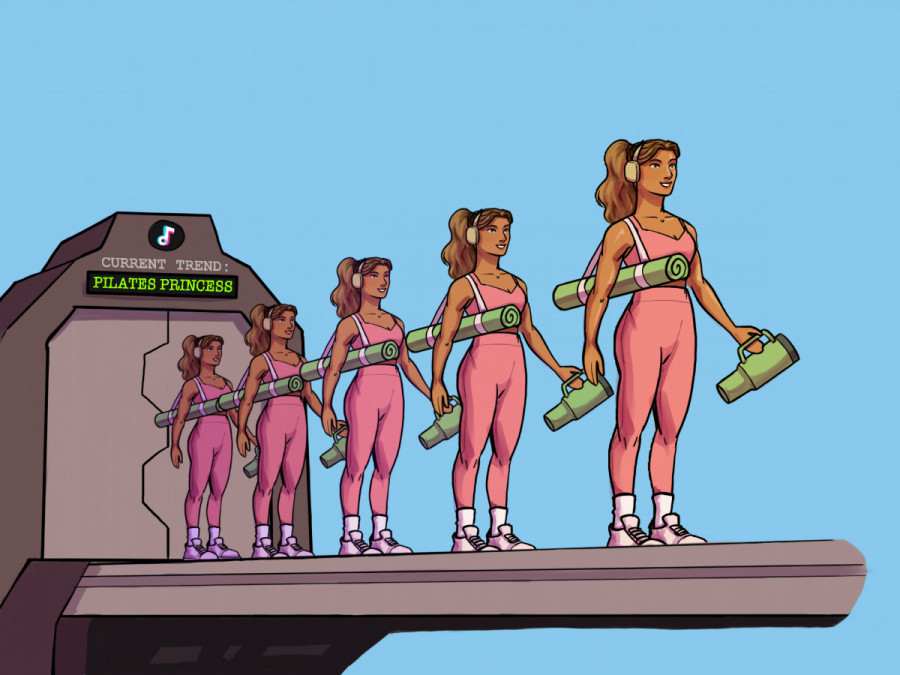
Where parental guidance once served as the most influential force in young adult development, social media influencers have now assumed that role in shaping young people’s perspectives.
For years, influencers have occupied the centre of cultural attention, shaping how young people dress, speak and understand themselves. But what they promote is a polished blueprint for sameness, and that blueprint narrows rather than expands selfhood.
With every new trend cycle, waves of young adults turn to influencers in search of who they’re supposed to become next. Each new era arrives pre-packaged as a life to emulate. At the centre of it are hundreds of posts addressed to a sweeping “we,” collapsing individuality into a collective identity. Although “we” can create the illusion of community, it also simultaneously reinforces the fear of exclusion.
For teenage girls especially, that pressure to align has become a defining feature of growing up online.
Fashion trends have always offered young girls the opportunity to experiment with identity. However, with the heightened exposure social media provides and the ever-growing presence of influencers inspiring various facets of life, young women find themselves caught in repetitive cycles of outgrowing predetermined phases, over and over again.
Personal style still exists, but increasingly as a variation within narrow algorithmic boundaries. Subcultures that once thrived on distinction now blur together under the aesthetic language of influence. Styles that once carried clear artistic or ideological identities are softened to fit the dominant, monetizable version of femininity.
This homogenization can also be seen at the corporate level, in the way clothing brands have been approaching fashion. Stores that once felt visually and culturally different have begun resembling one another.
Historically, women have often been the subjects of cultural conditioning.
Conduct manuals once dictated how a woman should behave, speak and think to remain socially viable. Early feminist movements dismantled those overt prescriptions, rejecting the idea that womanhood required a handbook.
Yet the handbook has quietly returned in digital form. Though the printed manuals have vanished, their spirit persists in the influencer who packages lifestyle guidance as empowerment.
Through influencer content, we see women of all ages being directed towards an “ideal” clean archetype of womanhood. TikTok facilitates tight-knit communities around individual creators, and followers often elevate these women to near-moral authority.
In this ecosystem, the influencer has become a vessel of conformity, and with the incestuous nature of influencing, many TikTok principles begin to overlap, broadening their reach of followers and spreading their conformist ideologies across communities.
Though it is easy to be critical of the cycle of fashion trends, it is becoming increasingly imperative for our generation and the next to acknowledge what is at stake: selfhood.
The gradual erosion of self-definition weakens our capacity for critique. If our formative years are spent internalizing aesthetic and behavioural prescriptions, we become less likely to recognize them as prescriptions at all.
The influencer may not consciously intend to dictate how we live, but influence is not neutral. Her livelihood depends on replication, on transforming her image into a template others feel compelled to adopt.
This article originally appeared in Volume 46, Issue 10, published February 24, 2026.