
Don’t blame the video essay
Oversaturation is a structural problem, not an artistic one
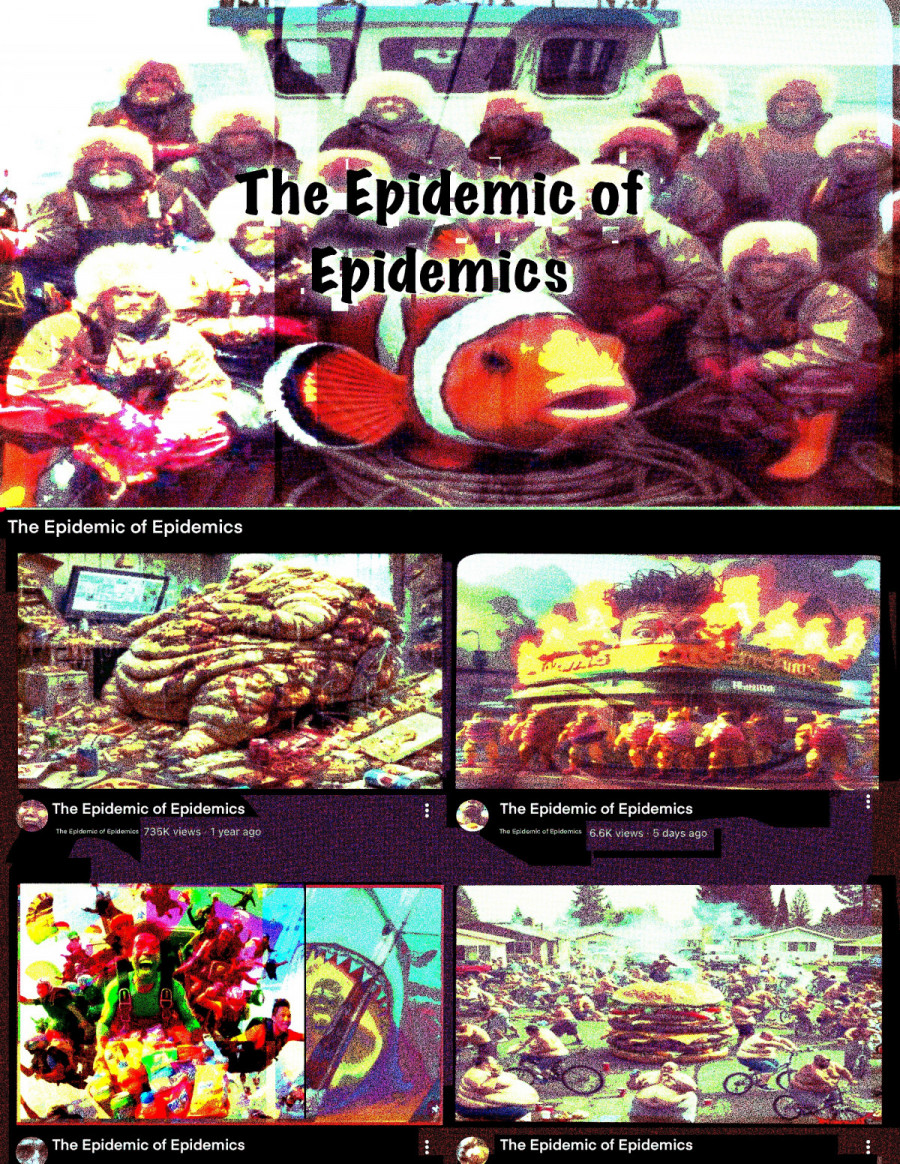
Media content, discourse and criticism are transfigured through an internet-shaped prism. On the other side, culture often emerges distorted, mutated and sometimes unrecognizable.
The video essay, one of the internet’s most distinct evolutions, typifies some of the best and worst outcomes of this new age. The format is a triumph of democratized discourse criticism, but is threatened by the attention economy that keeps it alive.
The video essay is a strange creature.
Probably descending from academic essays and formal documentary formats (the evolution of the genre is ill-defined), the video essay found its home on the unfettered pastures of YouTube in the early 2010s. Here, creators such as Every Frame a Painting, The NerdWriter and TheGamerFromMars, to name a few, demonstrated what the format could do.
The medium is especially well-suited for visual media analysis, because unlike literary text, video essays can directly “quote” the object of their inquiry. It also allows for the creative expression of scholarly research and inquiry.
For many academics, I imagine that words such as “creativity,” “play” and “fun” are seemingly incompatible with the procedural structures that contain much of their work.
The video essay offers a refreshing departure from the traditional restrictive paradigms of academic inquiry. For the myriad underpaid and overpassionate graduate students, postdoctoral researchers and untenured professors across all faculties and throughout the world, video essays pose a lifeline for their blue-eyed idealisms on critical life support.
It is also a fantastic framework for laypeople, hobbyists and independent researchers to formalize and share their ideas.
I am not deaf to the criticisms of the video essays; however, the genre is noticeably reaching an oversaturation point.
For instance, many of the video essays that swim up to the surface of my YouTube feed exhibit lazy rhetorical sensationalisms (every other video title seems to contain the word “epidemic” for some reason), sterile, possibly AI-generated, stock footage filler and smug, overintellectualized arguments delivered through helplessly clunky prose.
I do think, however, that this is largely a symptom of the delivery system rather than the medium itself. Despite being a highly effective delivery system for modern media, the attention economy has a knack for pushing content into a death race towards formula and excess.
Another point worth noting is that even the “bad” examples of video essays are largely well-meaning—albeit misguided.
Because the long-form nature of the medium lends itself to more nuanced interpretations and thorough research, it is less likely to generate incendiary or harmful rhetoric compared to short-form informative content (as seen on Instagram, TikTok or YouTube Shorts).
We should also remember that oversaturation is a natural stage in the life cycle of almost every publicly traded idea. It would certainly be unfair for me to hold “good” content creators that I enjoy accountable for the deficiencies of “bad” content creators whom I dislike.
The attention economy, itself an inescapable byproduct of the internet age, sends oversaturation into a hellish overdrive. There is incredible pressure on creators to satisfy insatiable consumer demands as a result.
Ultimately, the video essay is a unique discursive medium that promotes creative expression and deep thinking. Perhaps more importantly, it serves as a tangible example of something that has been transfigured by the internet and yielded positive outcomes.
Does everything need to be a video essay? Probably not. Are video essays becoming formulaic? Probably.
But these criticisms are probably more a fault of the delivery system (the attention economy) than the medium itself.
The ebb and flow of pop culture writ large can be iterative, imperfect and annoying. If video essays were to be condemned on these charges, there would not be much left in life to enjoy.





_600_375_90_s_c1.jpg)