Voting should be more accessible and community-focused, Montreal students say
Concordia students share their opinions on declining municipal voter turnout among young people
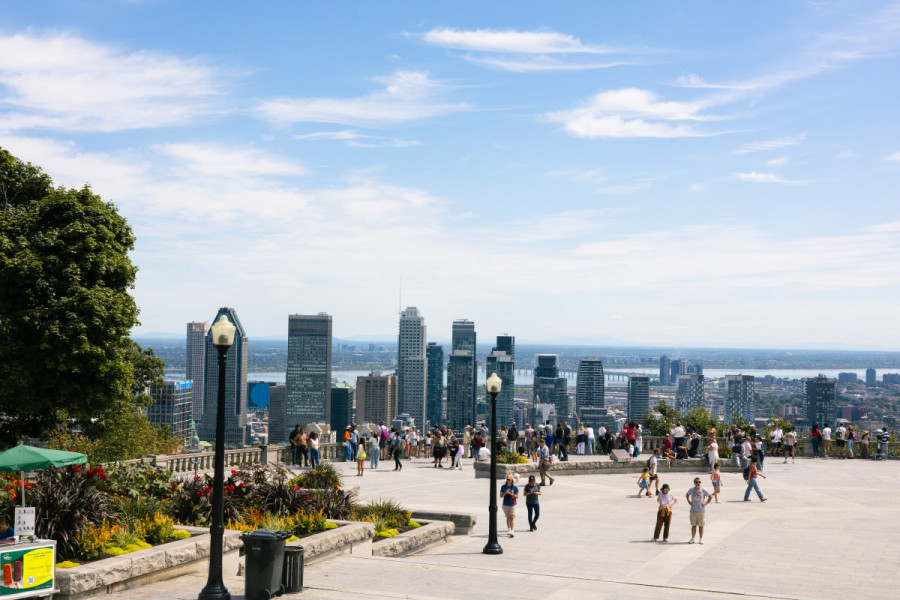
As the city gets ready to vote for Montreal’s next mayor on Nov. 2, some residents still seem unsure if they’ll take part.
In the last municipal election in 2021, only about 38 per cent of eligible voters showed up, meaning that 62 per cent stayed home. Among young voters aged 18 to 24, turnout was even lower, at just 21 per cent.
According to political analyst Raphaël Melançon, declining voter turnout isn’t new, but a trend that’s been happening for decades.
“Every election, the turnout goes down and down,” Melançon said. “It’s a real problem for the vitality of our municipal democracy.”
Melançon said one big reason people are not interested in local elections is that the issues don’t feel exciting to them.
“Municipal politics aren’t sexy,” Melançon said. “We’re talking about garbage collection, sewers, infrastructure and the things you need in your daily life, but they don’t make people dream.”
In 2017, he added, Valérie Plante’s promise of a new pink line on the Metro got people talking and imagining the future. But this year, he said, there is less of a sense of excitement.
“It’s a very beige election,” Melançon said. “The big promise now is a rapid bus network. It’s practical, sure, but it doesn’t inspire anyone.”
This lack of excitement might be one of the main reasons young Montrealers don’t vote.
Alaa Ben Romdhane, a 21-year-old Concordia University student in community, public affairs and policy studies, said she didn’t get a chance to vote in 2021, and still finds it hard to connect with municipal politics.
“A lot of debates are just the same things over and over. Bikes, parking,” she said. “Young people’s voices feel drowned out. Personally, I care a lot, but most parties give neutral answers. It makes it hard to know who really represents us.”
Romdhane finds it difficult even when she wants to participate.
“It’s important to vote, but the information we get is so vague,” she said. “I don’t always know where candidates stand, which makes the decision really hard.”
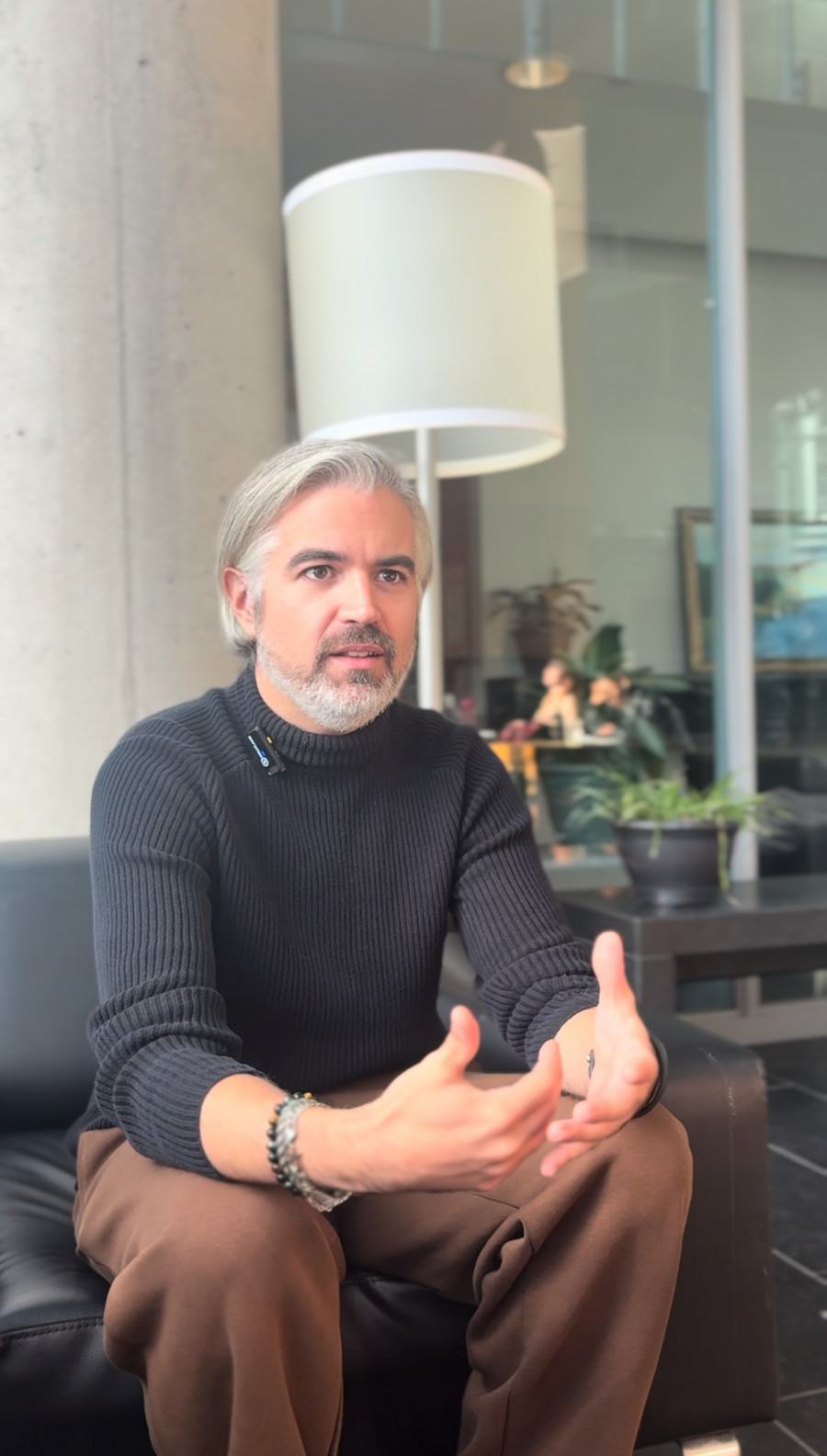
Dario Martinez Mulet, a 22-year-old student in film and moving image studies at Concordia, hasn’t voted yet either.
“I’ve never voted because I’m always moving around,” Mulet said. “I used to commute from the West Island to downtown, and I didn’t even know which address to use.”
Growing up in Cuba, where voting felt “performative,” he said he never learned to see elections as meaningful.
“Maybe it’s different here,” Mulet said, “but I just haven’t had the faith or assistance to get involved.”
Mulet also pointed out that politics feels inaccessible.
“If information about each party’s positions was easier to find, the way cultural or entertainment news is shared, maybe more people would care,” he said. “We have our priorities in the wrong place.”
Mulet also believes Montreal needs more “third space” places between home and work where people can socialize and feel part of their city.
“If people feel like they belong, they might care more about how it runs,” Mulet said.
Meanwhile, Melançon agreed that engagement is as much about belonging as it is about policy.
“Young people often feel powerless to influence decisions,” Melançon said. “When you’re 20 and worried about rent, tuition or jobs, it’s hard to get excited about bike lanes or zoning regulations, even though those issues tie into bigger concerns like affordability and quality of life.”
Despite frustration and low motivation, both Mulet and Romdhane recognize the value of voting.
“Even if it feels like our concerns aren’t heard, that doesn’t mean we should stop trying,” Romdhane said.
“Maybe if voting felt more accessible and less confusing, I’d do it,” Mulet said. “For now, I just don’t see how my single vote would change anything.”
Melançon said that as voting day approaches, the challenge is clear: get people excited again and make them feel like their voices matter. To him, that means politicians need to communicate in ways residents actually relate to, and to focus on the issues that matter to all generations, especially young voters.
“If city leaders want to bring people back to the ballot box, they need to speak their language culturally and practically,” Melançon said. “Otherwise, the silence of the majority will continue to shape the city more than any vote ever could.”