Tuition hikes compromise Concordia’s future
Quebec residents, Canadian students, and international students. Long ago, the three demographics lived in harmony until the CAQ
Choosing to attend Concordia University and move to Montreal as an out-of-province student from Ontario has been the most rewarding decision of my life.
I've met driven, brilliant people from every corner of Canada and the world. These are people who've thrown themselves into everything Concordia has to offer and been crucial in building Montreal's vibrant social scene.
This is the Montreal that I came here for. A city whose greatest strength has always been its cosmopolitan, welcoming spirit, built on a sense of community between both French- and English-speaking Canadians and communities from around the world.
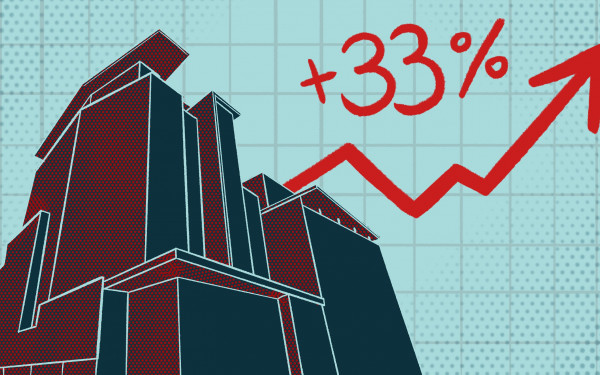
That spirit was once clearly alive and thriving in Concordia University’s student body. However, that changed in Fall 2024, when Coalition Avenir Québec (CAQ) implemented a 33 per cent tuition hike for out-of-province and international students.
The hikes have hit Concordia especially hard. According to CBC News, out-of-province enrolment has dropped 28 per cent, and international enrolment has dropped 40 per cent, impacting a combined 45 per cent of the university’s incoming class.
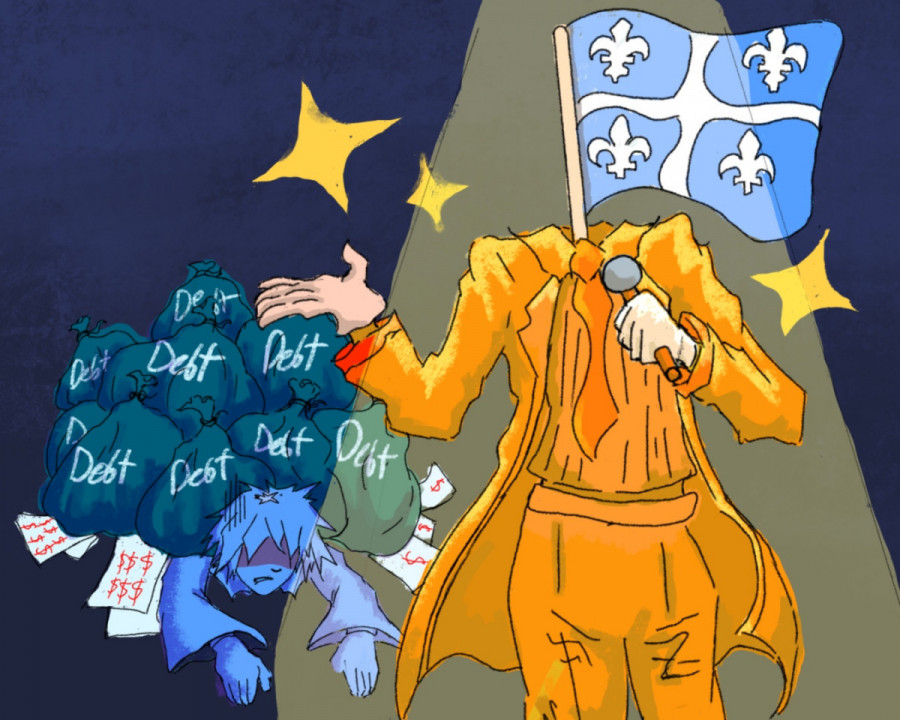
Concordia was also forced to drop its lawsuit against Quebec over tuition hikes due to financial reasons, despite superior court rulings in its favour. This frustrating decision highlighted the powerlessness of those opposing the hikes, leaving me and those affected with a sense of frustration and hopelessness as the CAQ continues to push such blatantly discriminatory policies.
Despite setbacks, the situation is not completely hopeless for affected students. Concordia is attempting to combat these tuition hikes and win back incoming students by offering up to $4,000 in special funding for incoming undergraduate students.
The final cohort of students admitted before the tuition hikes is set to graduate within the next couple of years. They’re leaving Concordia knowing the university they experienced isn’t promised to the students who come after them.
The amount offered to offset the new tuition hikes is notably around the annual rate Quebec residents pay, exemplifying the pervasive inequality in treatment between in- and out-of-province students. This inequality makes me feel unwelcome in Quebec and has made me question whether or not I can see a future for myself here post-graduation.
Behind all of these statistics, the lives of thousands of current and prospective students are severely impacted and continue to be.
After the tuition hikes were announced during my first semester, I knew that had I hesitated for even one year in that decision, it would no longer have been an option for me, a harsh reality that many of this academic year’s students have been living in.
Even within the cohort of students paying pre-hike tuition, the clause that increases tuition for those switching programs has resulted in many of my peers limiting their academic horizons or even abandoning Concordia entirely under the threat of financial punishment for discovering new passions, one of the strongest advantages a university offers. Concordia students deserve better.
The final cohort of students admitted before the tuition hikes is set to graduate within the next couple of years. They're leaving Concordia knowing the university they experienced isn't promised to the students who come after them.
Current and future students are paying more, even as budget cuts shrink the quality of education they receive. Fewer of them will have the room to thrive here than this cohort did.
That leaves a bleak outlook for Concordia's students and for Montreal's alumni community, which has stayed strong and diverse for generations. As the institution and its prospective students alike get priced out of their potential, the community I love faces a steep decline as well.
As students, we must not get discouraged from standing up for ourselves just because our institutions have stopped fighting for us.
This article originally appeared in Volume 47, Issue 1, published September 8, 2026.



_600_375_90_s_c1.jpeg)