The different sides of Montreal’s nightlife
No matter your vibe, language or age, this city has a bar for you
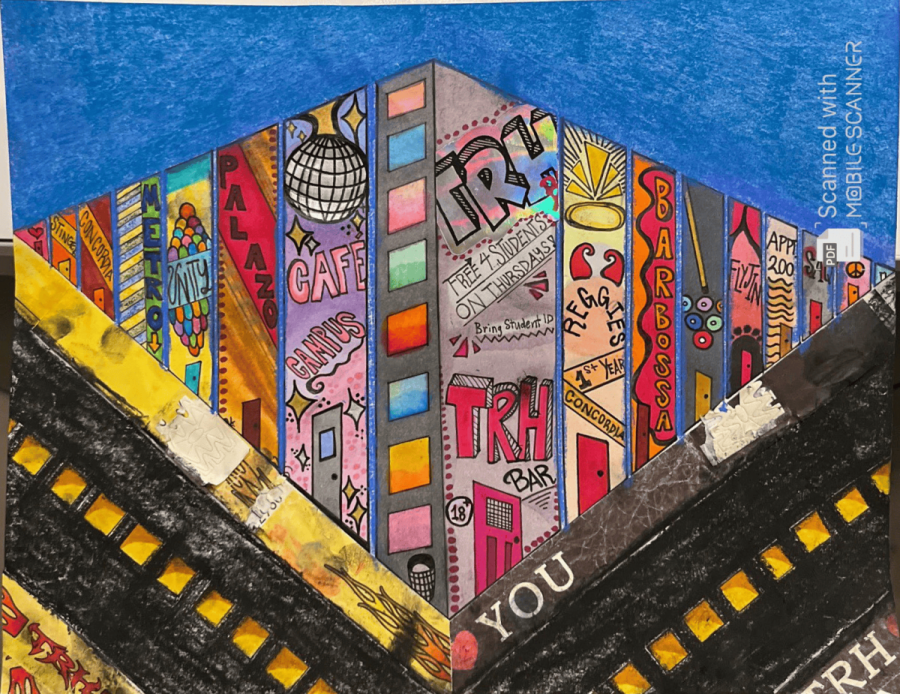
Every Friday night, Montreal stays awake into the wee hours of the morning.
A long queue covers one side of the street, filled with excited people waiting to get into a popular club. Loud music is booming every time the door opens to let more people in. Meanwhile, further down that same street, a few people enter a calmer, lesser-known bar, where soft jazz floats through the propped-open doors, revealing the dimly lit interior.
All clubs and bars in Montreal may seem the same to tourists; however, most of our city’s partygoers realize just how uniquely different each bar’s, pub’s or club’s environment and atmosphere is.
Montreal doesn't have just one nightlife scene; it has dozens.
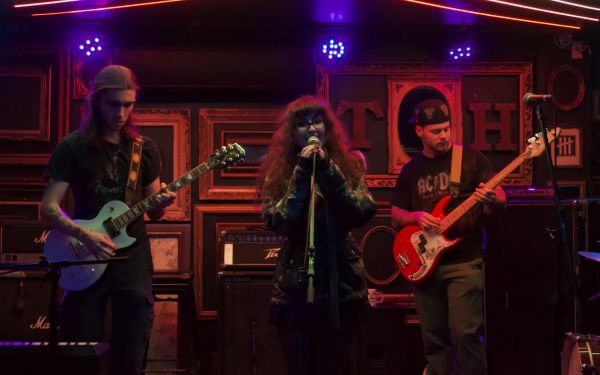
From lavish nightclubs like La Voûte to grungier, alternative locations like TRH Bar, to a more laid-back place like APT 200, different communities across the city find their “spot” to unwind and have fun.
No matter your taste, there’s sure to be a bar that will be the perfect cure for the stress of everyday life.
As someone who often enjoys going out at night, I have seen firsthand the different types of people frequenting each nightspot I’ve been to. For instance, I enjoy spending my evenings on Crescent St., known for iconic pubs and bars and for being popular among the anglophone community.
The anglophone bars and nightclubs mostly reside west of Saint-Laurent Blvd., whereas the francophone ones are mostly east of it. This may be because Montreal's West Island is primarily anglophone.
I've noticed that at francophone bars and clubs, the music consists mostly of French music, rap to be more specific. On the other hand, anglophone nightspots tend to play either Y2K music, trending rap songs or a mix of both depending on the night and the establishment.
Contrarily, when I go somewhere in Old Montreal, I notice it is centred more on upscale lounges, better suited to those who have moved past the initial excitement of finally being able to legally drink.
Age is another major divider among Montrealers; for example, when I went to Club Electric Avenue with my friends, I knew they played '80s and '90s music, and that this is one of the places my parents frequented in the ‘90s. When we got in, we noticed it was mostly people my parents' age, so we didn’t stay very long.
Specific areas such as Le Plateau-Mont-Royal, Old Montreal, Saint-Laurent Blvd. and the Village offer their own atmospheres. Depending on how I feel, what music I'm in the mood for or if I want to dance or just have a drink and relax, I enjoy discovering new places in Montreal.
Affordability also divides individuals. According to Statistics Canada, young Canadians between the ages of 15 and 24 avoid going out with friends due to rising costs, a vast difference from 40 years ago.
Montreal has become increasingly more expensive for many people due to inflation, whether it's the cover charge at some clubs, the price of drinks, eating out or the price of Ubers. I've personally bought a spur-of-the-moment cocktail, only to find out that one drink was no less than $20. Suffice it to say, this struggling student only had one drink that night.
Montreal has so many pieces that make it a mosaic of different nightlife cultures. Depending on the borough, the class structure is obvious when you look at the drink, food, coat check or cover charge prices of their establishments. One thing is for sure: it would be great if all the different hotspots could agree on set drink prices.
This article originally appeared in Volume 47, Issue 3, published October 6, 2026.