
The power of narrative
Black women on shaping representation in Canadian media
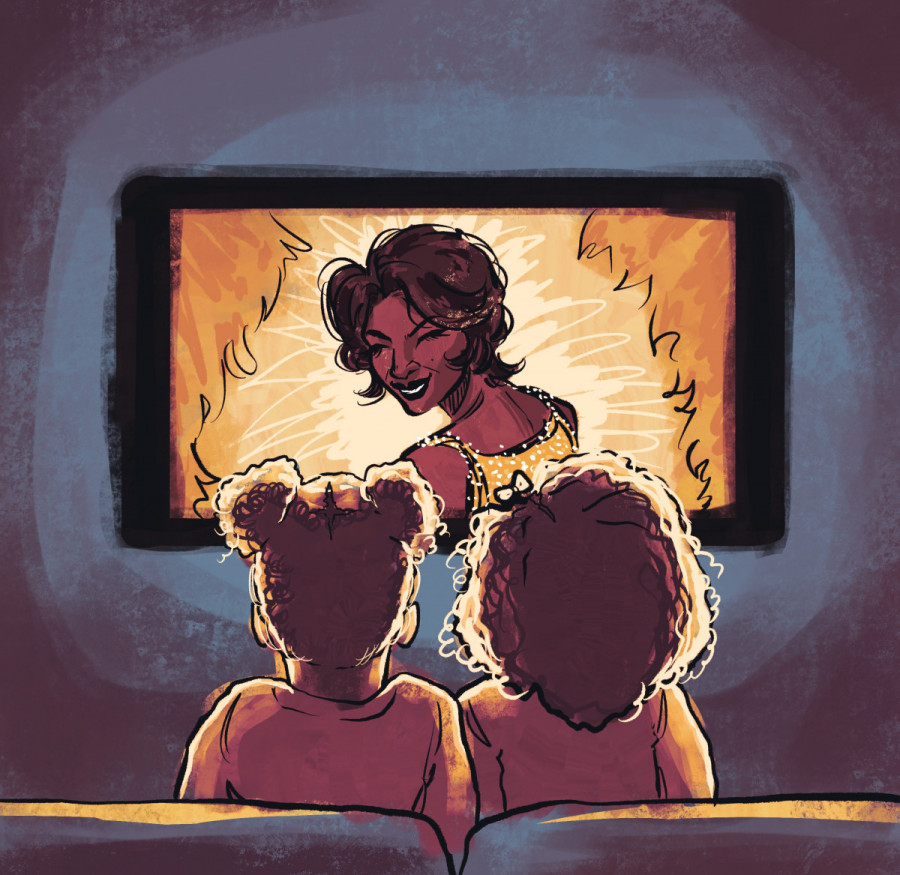
Representation doesn’t just mean being seen; it also means being heard, trusted and empowered to shape the stories that circulate.
That idea anchored the recent “The Power of Narrative: Media and Representation” panel organized by 100 Accomplished Black Canadian Women (100ABC Women) on Feb. 8. The panel convened Black women working across media to reflect on how narrative power operates in Canada, and how they actively work to reshape it.
Moderated by school board trustee Kathy McDonald, the conversation brought professionals from broadcasting, the music industry, brand strategy and public relations together into a multifaceted exchange grounded in lived experience.
Rather than framing representation as a problem to solve, the panel emphasized intention and authorship, asking what it means to tell stories with depth and care with Black women at the forefront, not only in front of the camera, but behind the scenes as well.
Founded by Dr. Denise O’Neil Green, Dauna Jones-Simmonds and the Honourable Dr. Jean Augustine, 100ABCWomen documents and celebrates the accomplishments of Black Canadian women across sectors through annual publications and public programming.
Several panellists emphasized that while visibility in media has grown, meaningful representation depends on who holds power behind the scenes. Dr. Oluwanifemi Fagbohun framed the issue around three core principles: accuracy, agency and ownership.
“Understand how media works,” she said. “Where does the funding come from? Who are the gatekeepers? Because representation without power is a trap.” — Sharon Hinds
That focus on structure was echoed by Sharon Hinds, a program manager at Rogers Sports & Media, whose decades-long career spans radio operations, broadcast leadership and national media strategy.
A recipient of multiple industry awards, Hinds made history as the first Black woman appointed to the Canadian Country Music Association Board, a milestone she frames as both recognition and responsibility. Hinds urged younger media workers to think strategically about where influence is built.
“Understand how media works,” she said. “Where does the funding come from? Who are the gatekeepers? Because representation without power is a trap.”
Lisa Skeete brought these ideas into conversation with the music industry, reflecting on the gendered and racialized expectations Black women continue to navigate.
“We could be in front of the camera, behind the scenes, producers,” Skeete said. “Yet always the questions are still, ‘Are we sexy enough?’ or ‘Are we looking the part?’”
Skeete's comments responded directly to moderator McDonald’s earlier reference to enduring media tropes such as the “angry Black woman” or the hypersexualized “Jezebel,” highlighting how those narratives continue to shape perception even as roles expand.
For Montreal-based public relations specialist, podcast host, nonprofit founder and Concordia University alumna Loreena Gabriel, the questions raised during the panel are personal.
While gaps in Canadian media remained visible from the outside, working behind the scenes truly revealed how limited access to decision-making remains for Black women.
“You see how ideas get filtered, whose voices are taken seriously, and whose aren’t,” Gabriel said.
Rather than waiting for space to be made, Gabriel has focused on building her own platforms. That emphasis on authorship and agency reflects itself in her work.
The 100ABCWomen nominee works across radio, podcasting, public relations and community organizing, including hosting the weekly podcast Total R&B, co-creating The Morning Detour on CKUT 90.3 FM and running The Crown Project, a nonprofit supporting youth and unhoused community members.
Through these, Gabriel has worked to amplify Black artists, entrepreneurs and community members whose stories often fall outside mainstream coverage.
“I just want to give a voice to the voiceless," Gabriel said. "I’m a service to other people."
This article originally appeared in Volume 46, Issue 9, published February 10, 2026.





_600_375_90_s_c1.JPG)