Shut Up and Dribble: All bobble, no substance
Behind the Vancouver Goldeneyes’ disappointing attempt at Black History Month celebrations
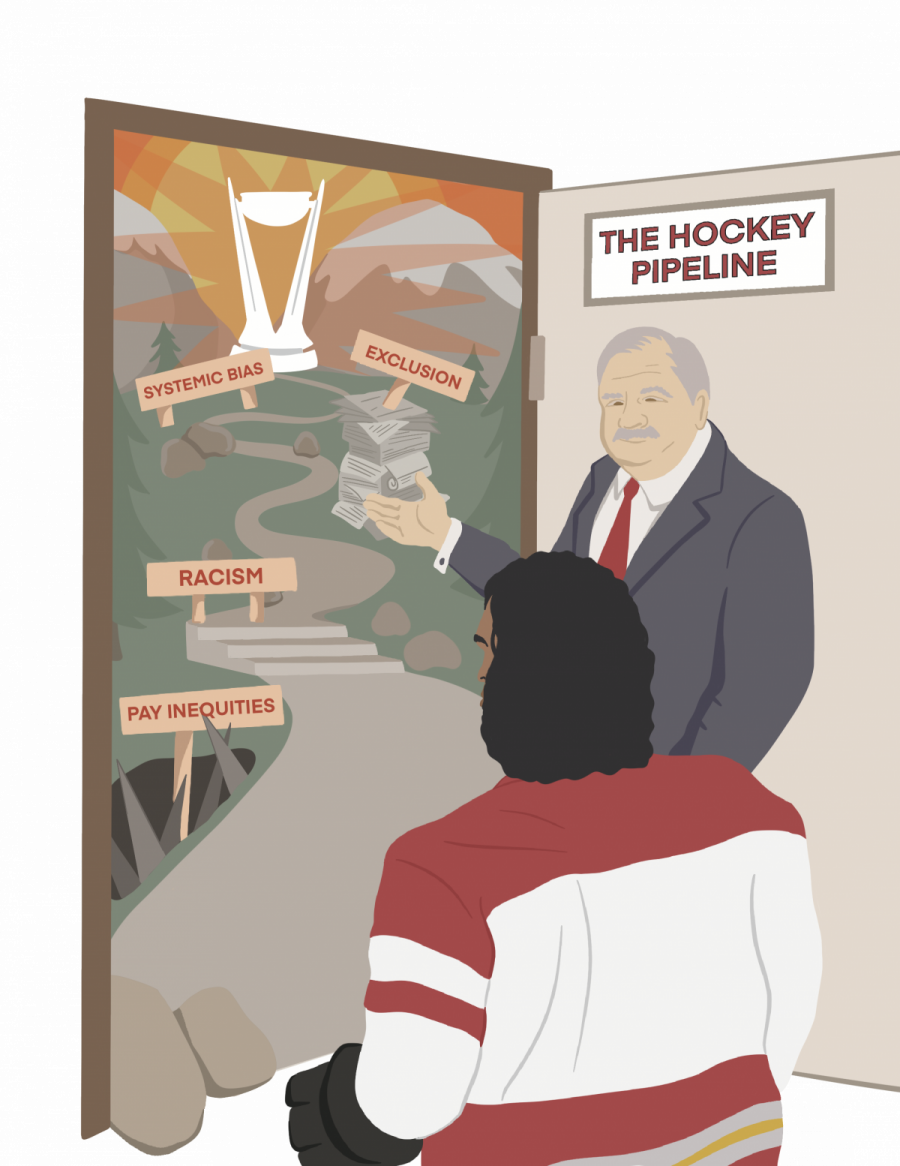
The Professional Women's Hockey League (PWHL)'s schedule for Unity, Promotional and Theme Nights in 2025-26 raised questions when fans noticed an omission by one of the league’s newest franchises, the Vancouver Goldeneyes.
While every other team in the league committed to celebrating Black History Month, the Vancouver Goldeneyes’ schedule did not include any such programming, raising questions about both visibility and the team's priorities.
Back in November, when every other team announced their Black history celebration, the Goldeneyes did the same in announcing other Unity, Promotional, and Theme Nights, but just not this one.
After growing concerns, in the same month, Saroya Tinker, the PWHL’s manager of diversity, equity and inclusion, confirmed in an Instagram comment that the league had something planned for the team.
While Black fans finally got some answers with a Goldeneyes announcement on their celebration plans, Vancouver's silence had already spoken volumes. The product they delivered in this announcement, after such a conspicuous wait, is subpar to the league's standards and is disappointing.
The Feb. 2 league update shed some light on the plan.
The Goldeneyes' ongoing Black celebration will consist of two player-led bobblehead nights, coined "Nursey Night" and "Sophie's Sisters." The events aim to create hockey access for underserved Black and BIPOC girls through game attendance and meet-and-greets with Goldeneyes stars Sarah Nurse and Sophie Jaques. This long-awaited announcement feels insufficient compared to what other teams delivered.
Across the league, teams demonstrated what a meaningful celebration can look like.
Montreal featured singer Jennifer-Lee Dupuy, DJ Nelles, the Montreal Steppers and community advocate Jennifer Mathurin.
Boston brought pre-game education, Grammy-nominated vocalist Michelle Brooks-Thompson and trailblazer Elaine Weddington Steward.
Seattle partnered with community organizations, featured Jayza Duhon and Speak With Purpose, and commissioned artist Takiyah "T-DUB" Ward to create a custom hockey stick for the Black Girl Hockey Club.
In Nurse, a Team Canada superstar, and Jaques, a two-time Walter Cup champion, the Goldeneyes employ two of the league's three Black players on active rosters. If any team should be leading the league in Black History celebrations, it's the Goldeneyes.
But utilizing individual player celebration nights as Black History Month programming feels tokenistic. Yes, Nurse and Jaques's Blackness deserve celebration, but their individual bobblehead nights deserve to stand on their own merit as elite athletes.
Other teams displayed care and diligence by including the broader Black community and using hockey as a space for learning and cultivating Black culture. None of that is accomplished through relying solely on a team’s Black players.
The team went silent for four months, and at the start of February, they needed to say something. Rather than partnering with Black organizations or creating meaningful cultural programming, they centred the celebration on the two Black players they already employ.
DJ Nelles, who performed at Montreal's celebration, described representing her Caribbean culture in a stadium of over 10,000 people.
"The ability to empower women and children doing what I love has literally lifted and empowered me," she said.
This is what representation creates: a space where people see themselves reflected and valued. Vancouver's lacklustre programming denies Black fans that same experience.
Bringing young Black girls together to meet the players is important work, but it doesn't require the framework of Black History Month; it could happen at any game. What I find disappointing is the missed opportunity to use hockey as a platform to help people find resources, create a space for important conversations, and celebrate Black culture while bringing together Vancouver's already small (1-2 per cent) Black population.
In a league with only three Black players on active rosters, relying on player-led initiatives treats Black presence alone as sufficient, as if the institution doesn't have to create space for genuine community celebration.
Hockey is too overwhelmingly white for the Goldeneyes to treat Black presence as enough. They have a responsibility to celebrate Black players the same way other minorities are highlighted: through broader community engagement, not solely through individual player nights.
Even more damning is the fact that the team still hasn’t announced the bobblehead nights, while two other Goldeneyes players have bobblehead nights scheduled for late March. Vancouver remains the only team without a Black History celebration in January, February or early March.
I can admire the effort to not make this celebration a one-night-only affair, but Vancouver went about it the wrong way. Other teams demonstrated what genuine inclusion looks like by being intentional, consistent and transparent.
Moving forward, Vancouver must commit to meaningful inclusion by investing in youth programs, partnering with Black community organizations and communicating transparently with fans. Celebrating Black history cannot be an afterthought relegated to bobblehead nights; it requires the same planning, community engagement and cultural programming afforded to every other heritage celebration in the league.
This article originally appeared in Volume 46, Issue 9, published February 10, 2026.