Revolution starts with a screening
Cinema Politica is creating space for political films on campus
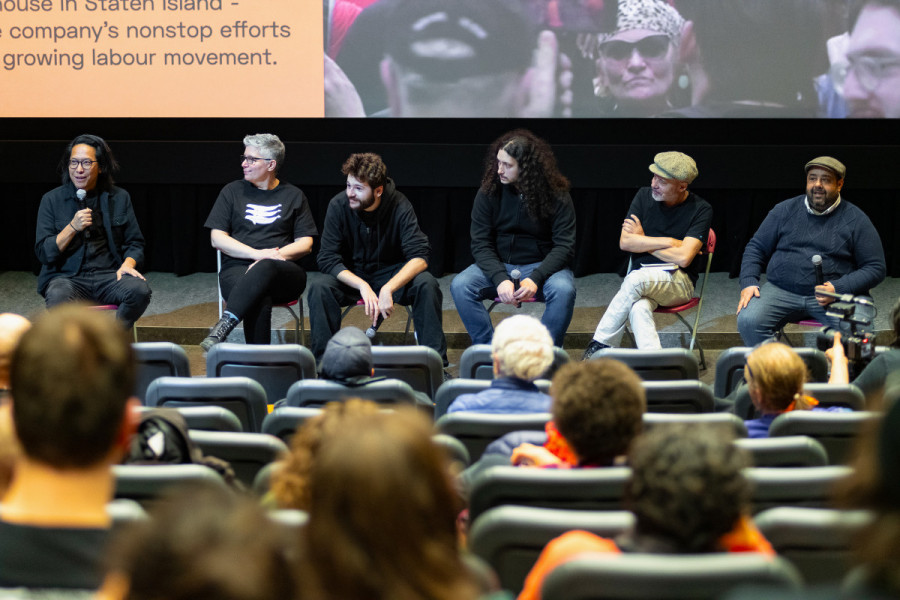
At the heart of Concordia University’s downtown campus is a space where students and community members can learn and engage in activism through the art of filmmaking.
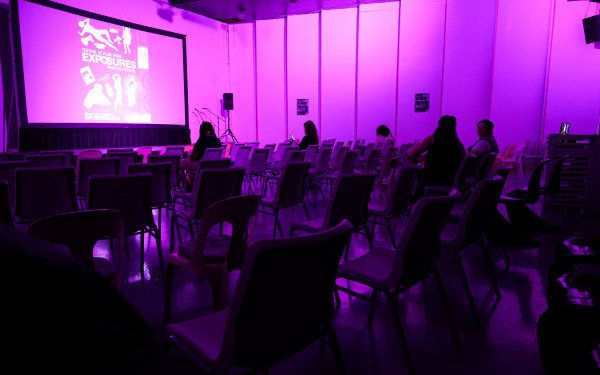
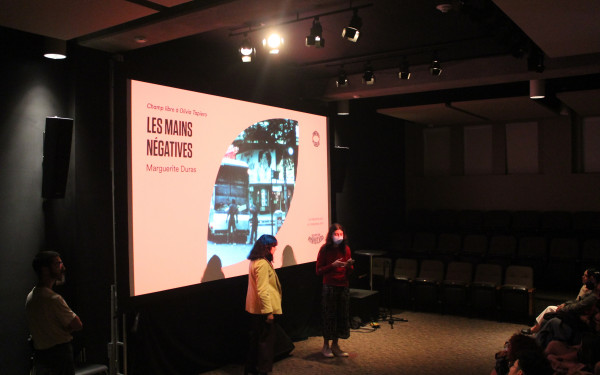
Cinema Politica is a non-profit media arts organization that hosts screenings of documentaries and films every Monday at 7 p.m. at H-110 in the Henry F. Hall building during the school semester.
Stefan Christoff is an artist, community organizer and graduate student at Concordia who has worked with Cinema Politica since its inception. He believes that it started as a need to fill a void that was present on campus.
“It was pretty clear that there was a need to have a more consistent space to share documentary films that engaged with social activism [...] both on campus, but also as a way that could bridge the community at large and the campus,” Christoff said.
Film has often been a medium used to educate and inspire others to participate in activism. For Christoff, film allows people to organize in person and promotes political discourse.
“It's not just a film, it's being in a room with other people,” he said. “It's talking with people after the screening, and it's the groups and organizations that bring material to the events.”
Cinema Politica is unique in bringing political issues to the screen in ways most cinemas and classrooms do not.
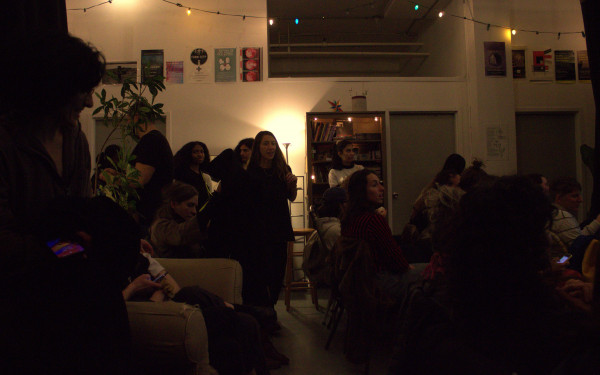
At every screening, staff organize discussions, inviting both the film’s team and activist groups working on the issues it raises. These events create a space for students and community members to engage with the material further after the screening.
Cinema Politica has also collaborated with a number of organizations across the city including SPHR Concordia, the Montreal Amazon Workers Union, the Immigrant Workers Centre, Native Montreal, and Learning Disabilities Montreal.
Stephanie Boyd, Canadian filmmaker and activist, has screened several of her films at Cinema Politica including a screening of her most recent project Karuara, People of the River.
The film explores the Kukama people in Peru and their fight to preserve the rivers they depend on for survival. At Boyd’s screening last year, activist groups supporting the same causes joined a Q-and-A after the film’s screening.
Boyd said that groups like Cuso International and Canadian Senator Rosa Galvez, who is an expert in oil remediation of oil spills and environmental cleanups, were part of the panel.
Cinema Politica is at the forefront of global issues that resonate with students. Last semester, they screened the Academy Award-winning documentary No Other Land, becoming one of the first cinemas in North America to do so after distributors in the U.S. refused to pick up the film.
The organization also aims to connect and engage with issues that affect the Montreal community.
“Last season, we had a film that looked at the housing crisis in Montreal,” Christoff said. “Yes, we need to talk about what's happening around the world, but we also need to have films that create space to talk about what's happening in communities here locally.”
While Cinema Politica does not shy away from featuring heavy subject matters in its screenings, the organization also cares deeply for the art of filmmaking.
Aylin Gökmen is a PhD student in Concordia’s film and moving image studies program and operations coordinator at Cinema Politica. She says that the programming team at Cinema Politica, who choose which films will be screened during the semester, care deeply about the aesthetics of the films they present.
“[They] have done a good job showing well-shot, aesthetically pleasing films and films that are more chaotic, but with a subject that is so important,” Gökmen said.
The environment that has been cultivated at Cinema Politica encourages filmmakers to return and keep screening their films.
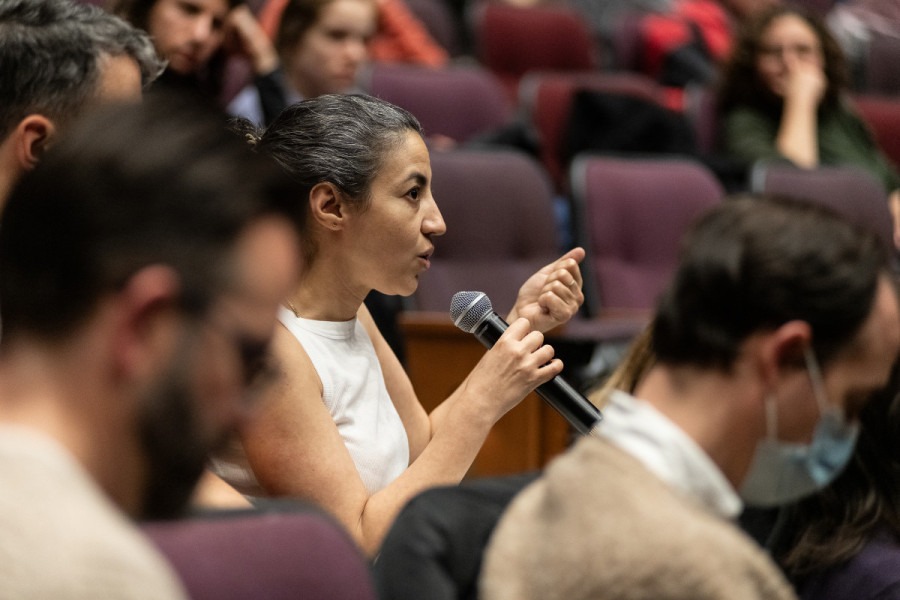
Nishtha Jain, an Indian filmmaker who has screened Gulabi Gang, The Golden Thread and Farming the Revolution at Cinema Politica, praised its audience.
“They have a very good audience, an audience which is patient, which is not dismissive, which is so eager to know more, learn more, experience more,” Jain said.
Cinema Politica began at Concordia in 2003 and has since expanded to more than 100 locations worldwide. They have had local screenings in Barcelona, Berlin, Kuwait City, New Delhi and Mombasa.
While this expansion is important in reaching different cinema spaces, its core remains the long-lasting community that supports the filmmakers and causes it presents.
“Cinema Politica speaks to the power of consistency and holding a space over a long period of time,” Christoff said. “Some screenings will be small, and then some screenings will have hundreds and hundreds of people, [which is] why I’m also involved to help sustain that space.”
Cinema Politica is always looking for more students to help volunteer with screenings, pass out flyers, and make classroom announcements. The organization can be reached at info@cinemapolitica.org.
This article originally appeared in Volume 46, Issue 1, published September 2, 2025.