
Concordia’s preferred name policy falls flat
Health Services policies present frequent issues with deadnaming

Concordia University’s preferred name policy allows students to use a preferred name in place of their legal first name for “personal reasons.”
It applies to “all unofficial university documents and tools,” including student ID cards, class lists, Moodle, student records and exam rosters. The policy does not extend to transcripts, attestations of student status or diplomas, though students have previously reported inconsistencies in how this distinction is applied.
There are various reasons a student might wish to omit their legal first name.
For transgender students, it is often not a preference but a necessity. As a transgender woman currently waiting to legally change my name, I rely on this policy to ensure the name used at Concordia reflects the name I use outside of it.
The initial portion of the name change process is extremely fast and relatively easy. The university responded to me within a few business hours. A brief, straightforward exchange of emails and a photo of one piece of legal photo ID was all that it took for my preferred first name to be implemented within the university. From there, my name was changed on all Concordia sites in a matter of days.
But, unfortunately, my praise of the name change policy in its current state largely ends there.
Changing my email address was a bit more complicated, as there are no clear instructions on the Concordia website. After being redirected to IT Services, my email was eventually updated. However, I was told that removing my deadname’s initial from my netname would require losing access to my Concordia account for up to 10 days—an unrealistic and disruptive option during the semester.
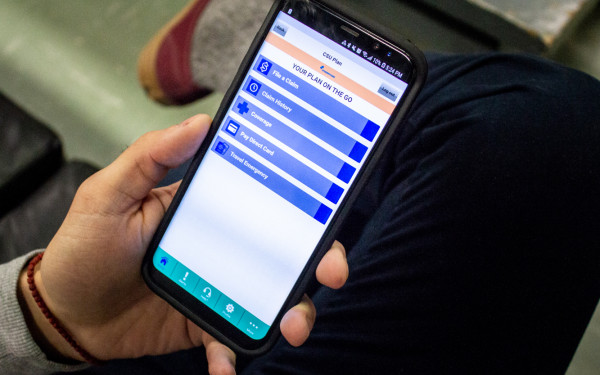
The most serious failure of the policy, however, lies within Concordia’s Health Services Clinic. According to conversations I’ve had with health service staff, unlike most academic platforms, the clinic defaults to a student’s legal name as the primary identifier, relegating the preferred name to a note buried within their file.
The result of this decision is that any interaction with the clinic could lead to getting deadnamed—a term used when someone is called by a name they no longer identify with.
This can happen on the phone or even during an appointment, but the absolute worst situation, one that I have experienced firsthand, is when your deadname is called out into a waiting room filled with people.
For transgender students, the very process of accessing healthcare can already be extremely stressful, triggering or dysphoric. Accessing healthcare through Concordia’s Health Services Clinic hangs an additional sword over your head.
You anxiously wait to see if a name that may be a source of immense pain, trauma and dysphoria will be shouted out for everyone to hear. You look around to see if there’s anyone you know in the room who you will be outed to. And this process isn’t just triggering and emotionally harmful; it can out a transgender student and cause serious safety issues.
Automated emails from the clinic also default to the legal name, and I’ve not been provided a workaround.
Every other healthcare provider I have ever interacted with, including other university health clinics, had procedures to ensure that all files and communications existed under my preferred name. Concordia can do the same.
A preferred name policy cannot stop at the classroom door. If the university recognizes the legitimacy of chosen names in academic spaces, that recognition must extend to healthcare settings as well.
Until Health Services adopts a system that allows preferred names to function as primary identifiers, the policy remains incomplete and, for transgender students, actively harmful.
This article originally appeared in Volume 46, Issue 10, published February 24, 2026.





_600_375_90_s_c1.jpg)