
Nostalgia Nook: The return of recession pop-timism
You can’t “Just Dance” your way out of an economic downturn
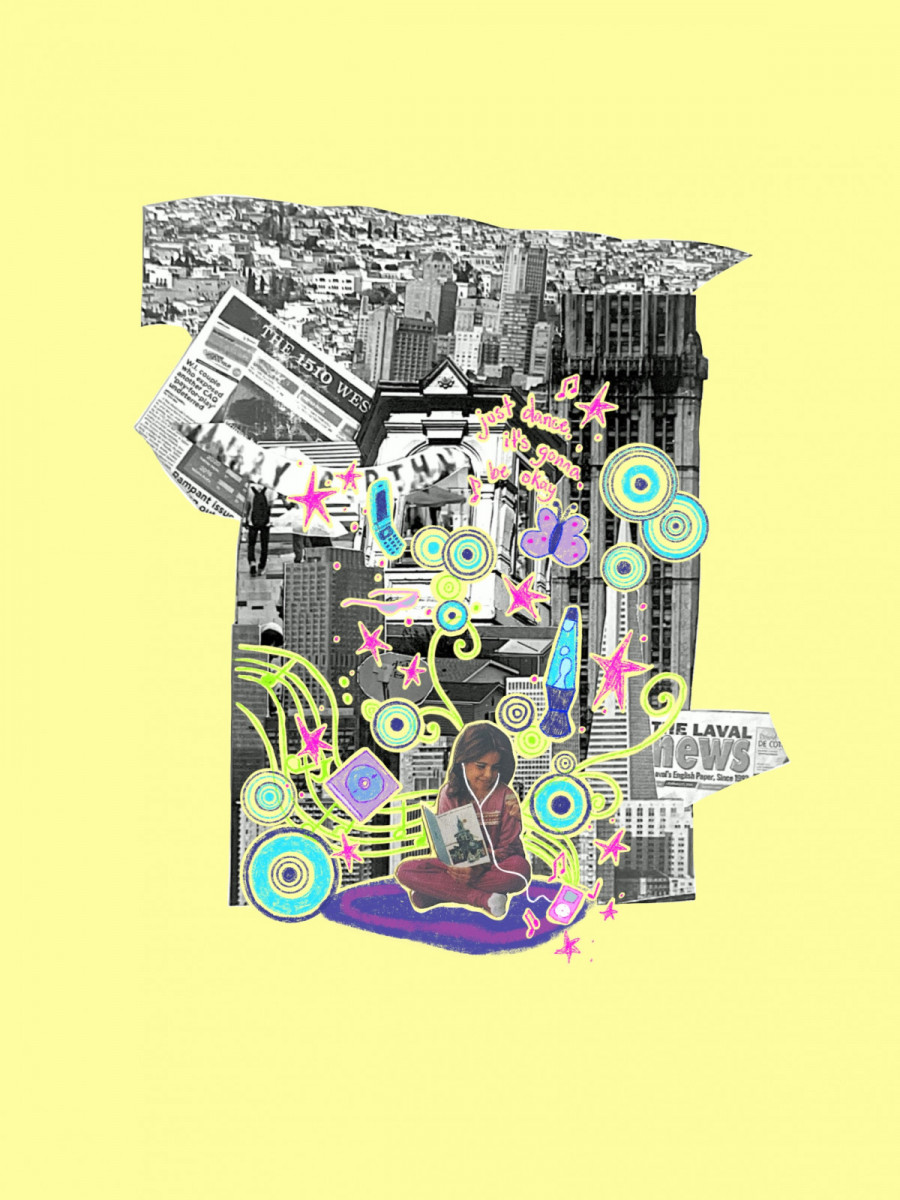
The 20-year trend cycle and a strong sense of nostalgia are nothing new, with several decades taking aesthetic and cultural inspiration from those that came before.
The recent resurgence of late-2000s and early-2010s music and aesthetics, often referred to as “recession-core” or “recession pop,” draws inspiration from an economic era eerily similar to the one we are living through now.
Recession pop originally emerged in response to the 2008 economic recession, which left numerous young adults without the promise of a secure future. In response, many have pivoted to flashy aesthetics and lifestyles centred on having fun in the moment rather than preparing for a future that may never arrive.
For instance, Lady Gaga’s “Just Dance,” a defining track in the genre, promises that “it’ll be okay” as long as we “just dance.”
Nearly two decades later, a new generation of young adults faces the same degree of uncertainty as they come of age amid economic hardships that make a stable future an unattainable dream not worth saving for. Many seem content to throw parties in apartments that they may no longer be able to afford next month as they attempt to dance the recession blues away.
Gen Z grew up in the aftermath of the 2008 recession, with many of their early memories shaped by the chaotic economic environment it created, as well as the aesthetics that emerged alongside it. It’s no wonder that in these unprecedented times, many young adults are subconsciously retreating into the world of their childhood, in a way similar to how a previous generation ultimately survived.
But comfort is always the enemy of change. As the wealth gap widens and the affordability crisis infects every aspect of young adult life, the escapism that recession-core offers serves as a distraction from our current situation. If real solutions are not offered soon, the escape from reality that “pop-timism” offers will get drastically and gradually worse.
The role of social media algorithms in the recession-core resurgence can't be ignored. Algorithms are consistently exploited and manipulated to push the interests of the tech oligarch class onto the masses in a seemingly authentic and random way. Diverting energy that could be directed towards organizing institutional change towards aesthetics with no real-world impact undoubtedly benefits an oppressive system that wants to stay in place.
That’s not to say that dressing in Y2K fashion and clubbing every weekend is a bad thing to do in these uncertain times, and maintaining joy and a sense of community is absolutely crucial. However, it’s always good to be skeptical of agendas pushed on social media and avoid losing sight of the possibility of change.
The term “recession-core” itself normalizes the idea of a recession and primes this generation to expect they will inevitably experience one. By associating a grave scenario, such as an economic recession, with cute clothing styles and catchy music, it minimizes the impact of a terrifying situation that may be upon us soon if the status quo persists.
The next time you’re bobbing your head along to a throwback, it might be a good idea to check in with yourself: Is this genuine enjoyment or pure escapism?
This article originally appeared in Volume 47, Issue 1, published September 8, 2026.




_600_375_90_s_c1.jpg)