Editorial: Refuse your rent increase

One month into 2026, the Montreal affordability crisis is already showing no signs of relief.
For the past few years, it’s felt like every January has brought the same bleak predictions from economists, inflation experts and City of Montreal officials. Rent prices are steadily increasing, food inflation is at an all-time high and unhoused shelters are overrun with people desperate to stay out of the streets in extreme winter temperatures.
This year, little has changed.
Despite inflation percentages in the province decreasing slightly in late 2025 and 2026 inflation predictions pointing to marginally lower rates, the cost-of-living situation remains far from promising.
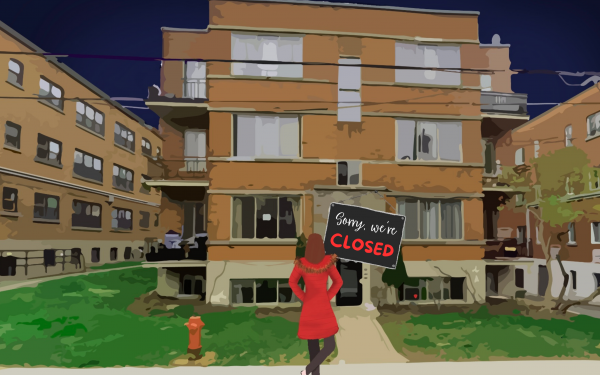
Just a few weeks ago, Quebec’s Tribunal administratif du logement (TAL) implemented a new calculation system for its yearly rent increase recommendations. And while some may have celebrated the fact that this year’s 3.1 per cent increase is lower than the 5.9 per cent recommended increase from 2025, tenants’ rights unions and organizations in Montreal have made it clear this is no cause for celebration.
In reality, the TAL’s new calculation system takes into account the past three years of inflation, rather than calculating based on the past year of inflation, as was done in preceding years. This means that, despite the potential for lower inflation in 2026, the new rent increase recommendation takes into account the record-high levels of inflation from the past three years.
This percentage pertains to unheated basic apartments that have had no major renovations done. For significantly renovated apartments, landlords can now pass on 5 per cent of the cost of these renovations to tenants through rent increases, a 2 per cent increase compared to previous years.
In other words, rent prices in the Montreal housing scene are nowhere near levelling out. A city once recognized for its cheaper rent compared to other prominent cities in Canada is now descending into the depths of unaffordability.
For the immediate future, rent may continue to be driven higher and higher, driving low-income residents out of their homes and making it increasingly difficult for residents to afford other basic necessities such as food and education.
Meanwhile, grocery prices have skyrocketed, with food inflation reaching 4.7 per cent over the past year. Cult MTL reports that Quebec families are expected to spend around $1,000 more on their annual grocery bill this year, while grocery chains such as Sobeys, Loblaws and Metro see billions more dollars in profit.
And just recently, as a polar vortex swept through the country, bringing temperatures down to as low as –38 C in southern Quebec, a lack of communication between city officials and shelters caused 250 beds to be left vacant at a YMCA in Montreal despite a severe need for shelter for unhoused individuals.
While the city faced a deadly cold weekend, hundreds of beds were left unused, beds that could have provided crucial warmth and cover to those who so urgently needed it.
What can Montrealers do? Amidst this dire situation, it may be easy to believe that nothing can improve the situation. However, The Link believes that the presence of Montreal’s numerous unions and low-income support systems should not be taken for granted.
The Link urges residents to fight against corporate and landlord greed in every capacity.
Know your rights as a tenant and understand how rent increases can be negotiated. Support free meal initiatives and food banks in any way possible, or make use of these resources if it is not within your time or budget constraints to do so. Attend city council meetings and push for more action from local politicians regarding the housing crisis and support for unhoused individuals.
Citizens should never have to be responsible for ensuring that their own basic human needs aren’t exploited by the affluent 1 per cent, but unfortunately, it has come to that.
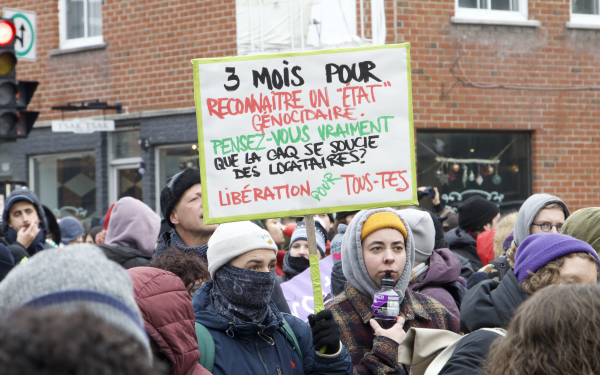
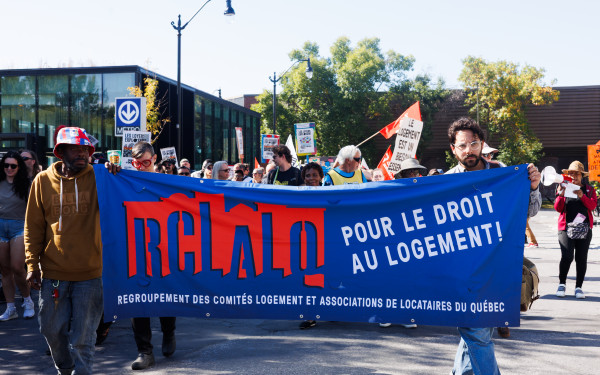
The Link wholeheartedly supports groups such as the Montreal Autonomous Tenants’ Union in demanding that residents mobilize together and refuse their rent increases this year.
Equally, The Link condemns the TAL’s continual decisions to play into the greed of the province’s landlords, giving them unwarranted power to pocket more money and push hard-working residents out of their homes.
Housing is not a luxury. Groceries should not cost half the average person’s rent every month. Enough is enough.
This article originally appeared in Volume 46, Issue 8, published January 27, 2026.