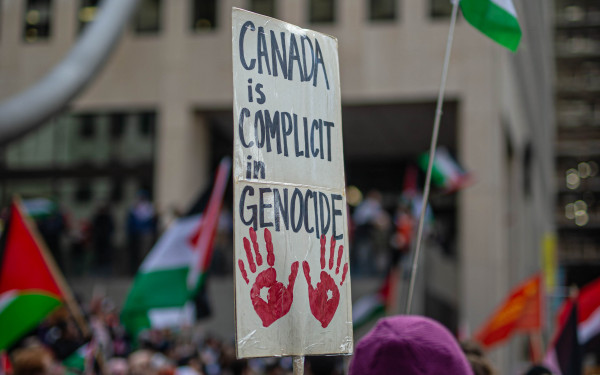
Celebrating Pride through resistance
New Wild Pride festival aims to create a non-corporate, safe space for queer identity and politics
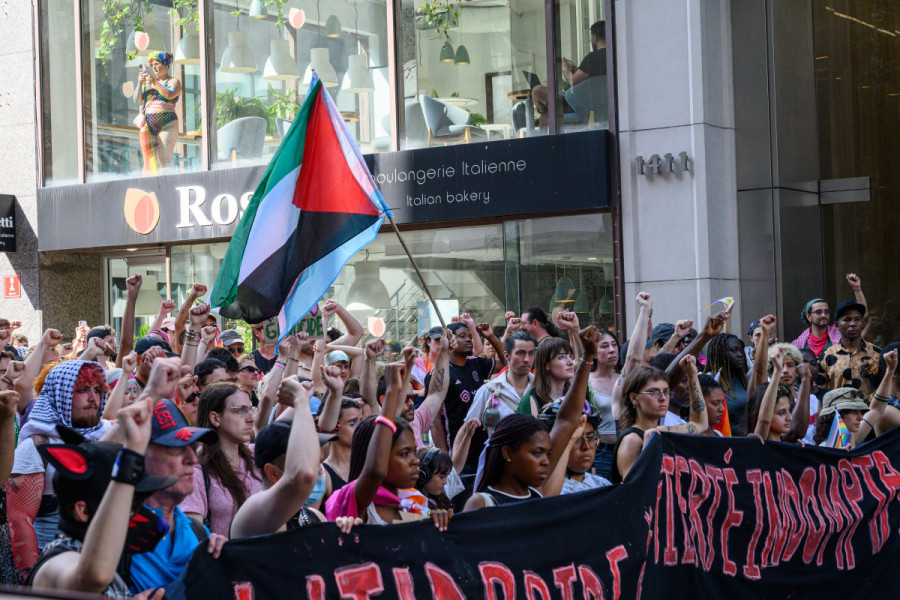
Yara Coussa and Aisha White first decided to create an alternative Pride festival following the wave of queer groups and organizations that publicly cut ties with Fierté Montréal back in the spring of 2025.
Coussa and White were texting each other about the city’s need for a non-corporate Pride event, and a week later, White had created an Excel spreadsheet with potential collaborators.
Preparations for Wild Pride had begun.
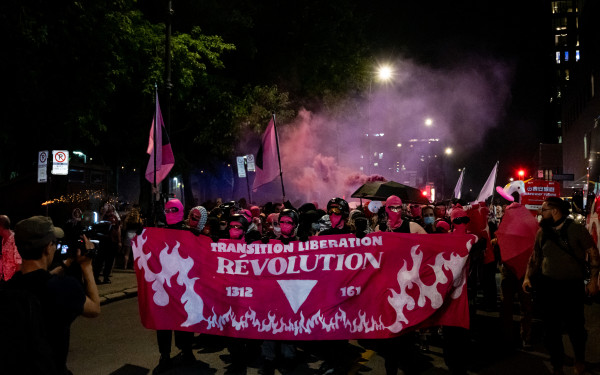
According to them, Wild Pride aims to be an alternative space for queer individuals to celebrate Pride in a radical, anti-colonial, anti-capitalist and anti-corporate environment.
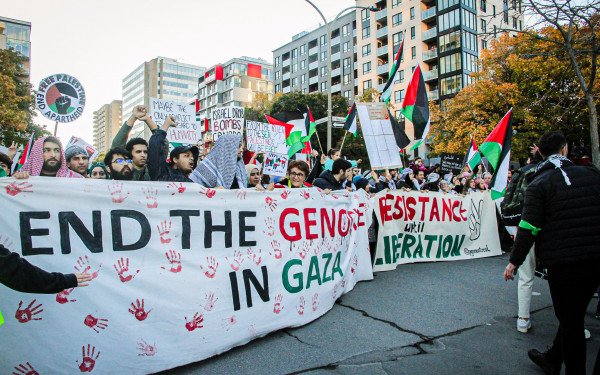
“ [The events are] really a response to a gap and a silence, specifically when it comes to the genocides all over the world, and an unwillingness to make Pride what it is at its core: a political fight,” Coussa said.
They believe that pre-existing Pride events, like those planned by Fierté Montréal, were overly sanitized and lacked necessary political resistance.
“In Montreal, [Pride] started as a riot against the police. It started as being led by lesbians of colour, by sex workers,” Coussa said. “So, to be in line with what Pride is, we need to continue being political. We need to continue with our fight.”
To gauge if there was interest within the Montreal queer community for an alternative festival, Coussa and White planned a town hall where 150 organizers showed up and 84 events were planned.
Celebrations and events started on July 30 and will conclude on Aug. 18 with a variety of shows, workshops and community days.
“We live in a globalized system where our consumerism essentially funds [genocide]. [...] We have this added responsibility to be very conscious about what we consume, about what we support.” — Yara Coussa
On Aug. 8, Wild Pride held a Community Day event, where 22 organizations gathered to promote their community organizations.
Firoza, a Montreal artist who offered henna art, was present and gathering donations for a Palestinian family in Gaza.
“Historically, Pride has involved working-class queer and trans people, and it feels weird to be in an imperial [corporation], celebrating Pride with the same corporations that are fuelling the genocide and contributing to state-sanctioned violence against Black and Indigenous people,” Firoza said.
Coussa also emphasized the importance of speaking up about Palestine as queer individuals.
“To say that the Palestinian cause and LGBTQ rights are dissociated is just to be blind to what is going on,” Coussa said. “It's to be blind to the fact that the genocide in Palestine is being justified by pinkwashing.”
A number of Queer, Jewish and Palestinian voices have spoken out about the dangers of pinkwashing. Decolonize Palestine defines pinkwashing as occurring when “a state or organization appeals to LGBTQ+ rights in order to deflect attention from its harmful practices.”
Coussa, who is from the Levant region, said they feel connected to the Palestinian cause and the need to fight against both queer and Palestinian oppression.
“We live in a globalized system where our consumerism essentially funds [genocide],” Coussa said. “We have this added responsibility to be very conscious about what we consume, about what we support.”
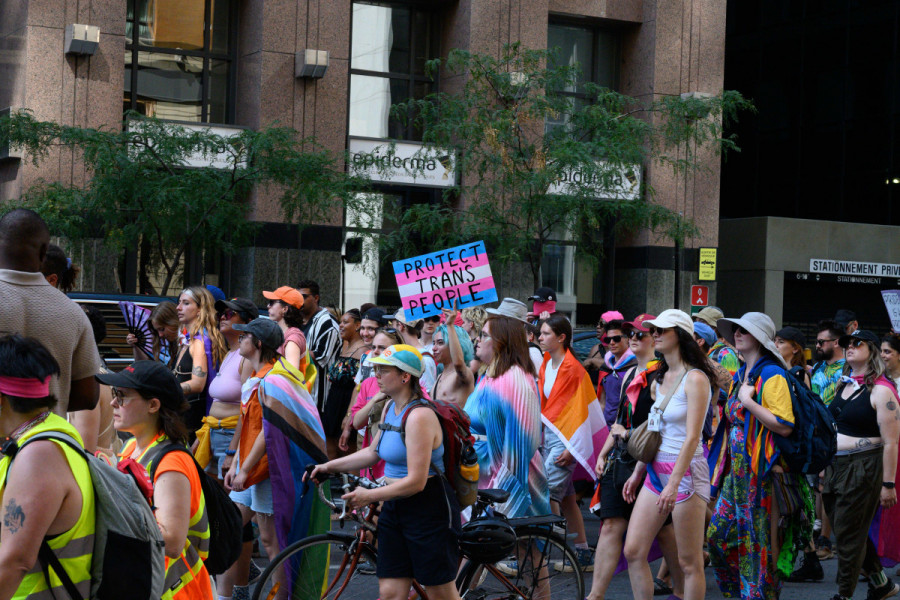
Fierté Montréal and recent fallout
In April, a number of LGBTQIA2S+ organizations, including Sweet Like Honey, Jeunesse Lambda and Helem Montréal, announced on Instagram that they were cutting ties with Fierté Montréal.
The CBC also obtained an open letter in May signed by 10 LGBTQIA2S+ organizations denouncing Fierté Montréal, claiming it no longer represented them and that its practices were “unacceptable.”
Signatories also stated that they felt “unheard, used and underpaid.”
On July 30, following calls from the queer community for the organization to show vocal support for Palestine, Fierté Montréal released a statement condemning the genocide in Gaza. The organization’s board of directors announced it would exclude groups it considered to be “spreading hateful discourse” from this year’s Pride events.
The two groups affected—Ga’ava, a Montreal-based, student-run Pro-Israel LGBTQIA2S+ group, and the Centre for Israel and Jewish Affairs (CIJA)—quickly denounced Fierté’s statement.
CIJA defines itself as “the advocacy agent of Jewish Federations of Canada-UIA” and has been critical of pro-Palestine movements across Canada.
Over the years, they have opposed the teaching of Palestinian history in Canadian schools, opposed Canada providing aid to Palestinians through the United Nations Relief and Works Agency (UNRWA) and heavily criticized Canada’s decision to recognize Palestine as a state in September.
Ga’ava, the second banned group, has also faced controversy, with reports from The Rover showing that the organization’s president, Carlos A. Godoy, has denied famine in Gaza and has claimed that “Palestinians are complicit with Hamas.”
According to the UN, 12,000 children under the age of five were suffering from acute malnutrition in Gaza in July.
A week after their statement banning the groups from the Pride parade, Fierté reversed their ban and apologized for their original decision, stating that all groups, regardless of religion, were invited.
Émilie Grandmont, a member of the organization AlterHéros who cut ties with Fierté Montréal in April, was panelling at the Wild Pride community event and spoke of the importance of having an alternative Pride festival.
“With the recent turn that Fierté has taken—not just with corporation affiliation, but with the refusal to stand against the genocide and pinkwashing—it has become more important to have an alternative community gathering where we can be queer and be proud of it,” Grandmont said.
The Link reached out to Fierté Montréal for comment, but has not received a reply as of the time of publication.



_2_600_375_90_s_c1.jpg)