
.png)
Special Issue
-
 Special Issue
The Women’s Issue
What images come to mind when one thinks of “women?” How does one create a visual theme for a decidedly feminist issue that is both graphically pleasing while expressing the essence of women?
-

-
 Special Issue
No End in Sight
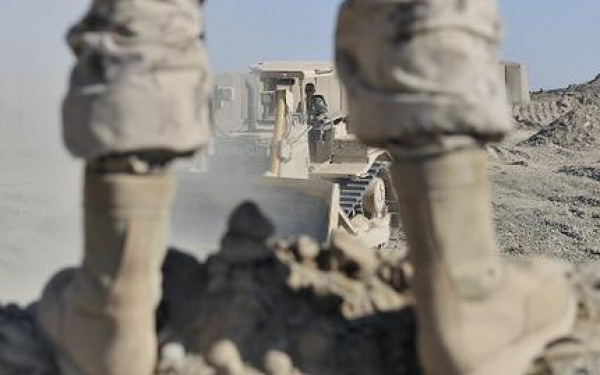
This special issue of The Link was meant to take a look at the war in Afghanistan as it drew to a close in June 2011. Things didn’t work out as we planned.
-
 Special Issue
A Fiery Inferno
We can’t possibly leave, we’re told.
In 2008, a government report said that leaving Afghanistan would cause “more harm than good,” a claim recently backed-up by Liberal MP Bob Rae. We put up with it because it is the more honorable war in the Middle East, and we were justified in joining this war just as we were justified in staying out of Iraq.
-
__600_375_90_s_c1.jpg) Special Issue
Special IssueAlmost Like Home
When the invasion of Afghanistan began in late 2001, there were two images repeatedly shown to the public to explain why war was necessary—planes crashing into the World Trade Centre and women forced to wear burqas, an oppressive black mark on the progress of feminism worldwide. It was taken as a given that all Afghani women were subjugated to men, lost in a culture that made them victims.
-
 Special Issue
‘This is What War Looks Like’
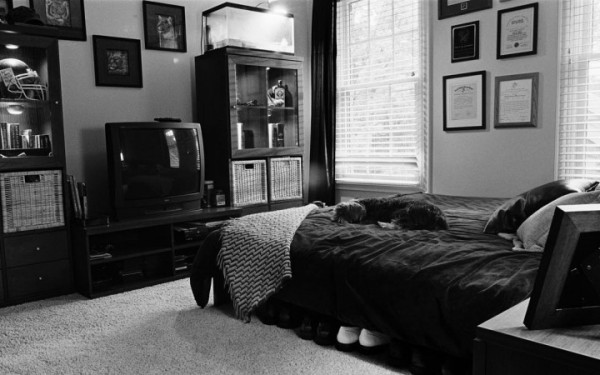
For most of the families that lose a loved one to war, one of the only physical memories that remains is an empty bedroom. In that space, these people were not just soldiers; they were brothers, sisters, sons and daughters. Thousands of miles from where they died, the fallen left behind a monument to the lives they lived and the people they were.
-
 Special Issue
Victory at Any Cost?
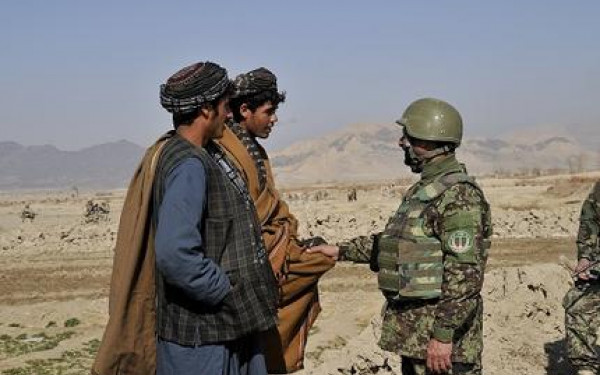
The true scale of Afghanistan’s corruption only became obvious in December when cables released by WikiLeaks depicted a state rotten to its very core, festering with bribery, extortion and embezzlement at every level of government.
-
 Special Issue
Reporting Afghanistan
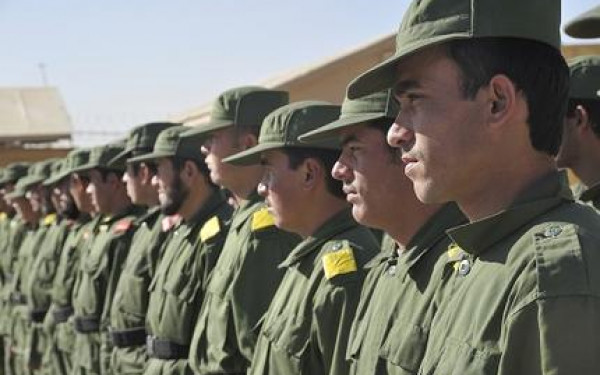
Shortly after Nikolai Lanine immigrated to Canada in 2000, he again found himself a citizen of a country that was waging war on a place he left over 12 years ago. At 18-years-old, Lanine was drafted into the Soviet army. He served in Afghanistan for 16 months until the Soviets withdrew in February of 1989—just over nine years after the war began.
-
 Special Issue
Extending Canada’s Longest War
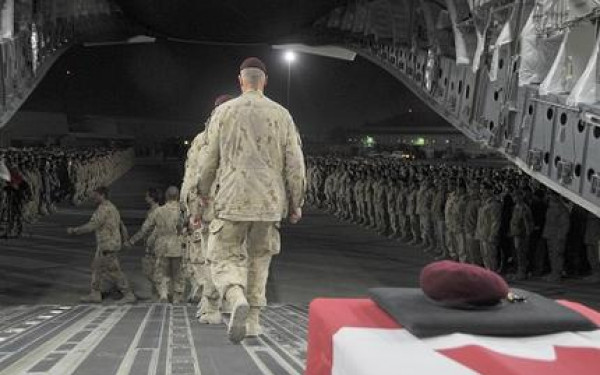
For Canadians, June 2011 was supposed to mark the end of the war in Afghanistan.
However, in November of last year, the Harper government announced that after the withdrawal of combat troops from Afghanistan this summer, 950 Canadian troops would remain in country to help train police and military forces.
-
 Special Issue
Space: The final frontier
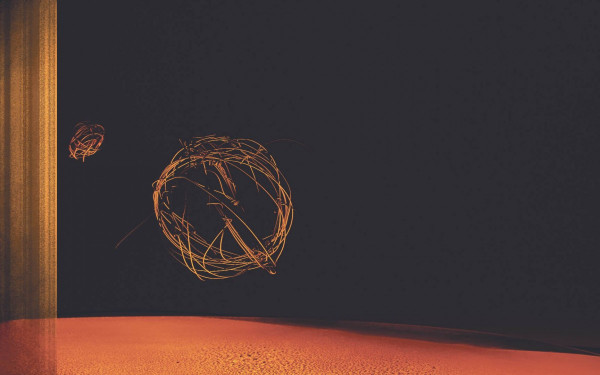
Where outer space once resembled the Old West—an unknown territory of tremendous danger and immeasurable opportunity