
Why I stopped waiting for tech to save us
Turning personal loss into a collective fight against online scams
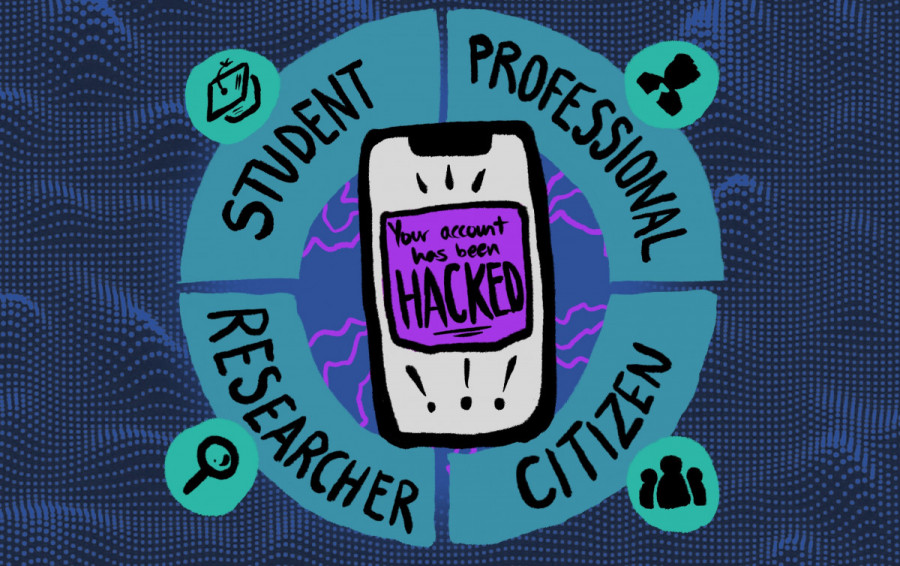
Two years ago, my Facebook account was hacked.
In a single night, I lost access to messages, contacts and even community projects I managed. Recovery took weeks. That helplessness was a wake-up call: online threats aren’t distant or abstract—they’re personal. They affect me, my neighbours and my friends, and can affect anyone, no matter their age or technological skills.
In 2024 alone, Canadians lost over $638 million to fraud and cybercrime, according to the Canadian Anti-Fraud Centre. Phishing emails, fake websites and now AI-generated scams make it harder than ever to know what’s real. Deepfakes can mimic a trusted friend’s voice. Chatbots can impersonate customer support. Technology is outpacing awareness and leaving too many people vulnerable.
Drawing on my previous experience with STEM outreach around Montreal, I teamed up with peers from Concordia University.
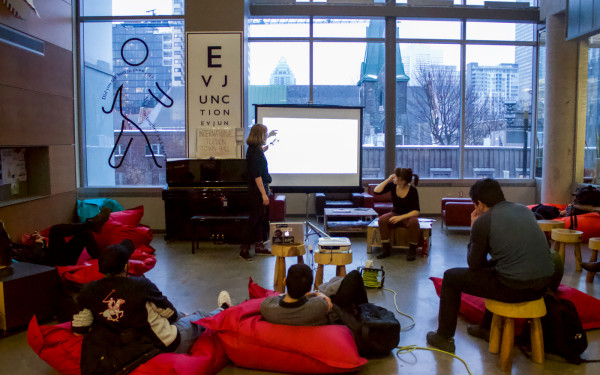
Together, we created TECH-NEST (Technology Nested with Ethics, Sustainability and Transparency). Our goal was simple: empower people to protect themselves and understand the ethical stakes of digital life. Our first event brought together graduate students and community members to share simple tools for spotting scams and talking openly about digital responsibility.
Later that summer, we set up a booth at a local solidarity market to reach people beyond campus. At our booths, participants practiced identifying phishing emails and distinguishing between authentic and AI-generated videos. The hunger to learn was obvious. People want answers. They want confidence. They want control.
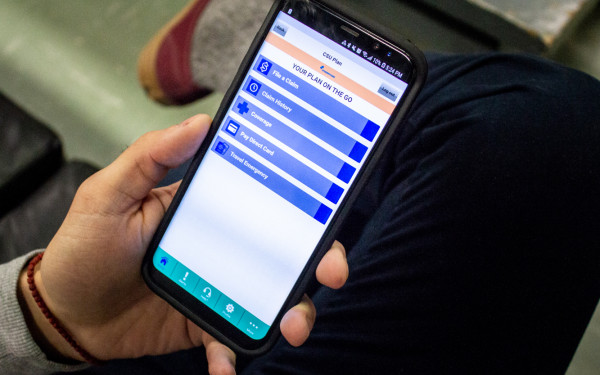
I’ll never forget a conversation with one of my neighbours, a senior who received an email about “suspicious charges” linked to her credit card. She called the number listed, hoping to resolve the issue and ended up handing over her credit card information. Needless to say, she not only lost money but also had her trust and personal security shattered. Stories like hers are a stark reminder that online safety isn’t just about technology—it’s about people.
The truth is, AI won’t save us from scams. In fact, it’s making the problem worse. And waiting for governments or corporations to intervene won’t save us either.
We can’t outsource responsibility for digital safety. It must be collective—researchers, students, professionals, community activists and everyday citizens all playing a part. For us, that means connecting and giving back. For others, it could mean checking in on a neighbour, reporting suspicious activity or simply staying curious about new risks.
In an AI-driven world, online safety is no longer optional. It’s a shared responsibility—and the sooner we act, the safer we will all be.
Azfar Adib is a PhD candidate in electrical and computer engineering at Concordia University.



_600_375_90_s_c1.jpg)