
Precarity packaged as convenience
Gig work is filling the gaps where stable jobs used to be
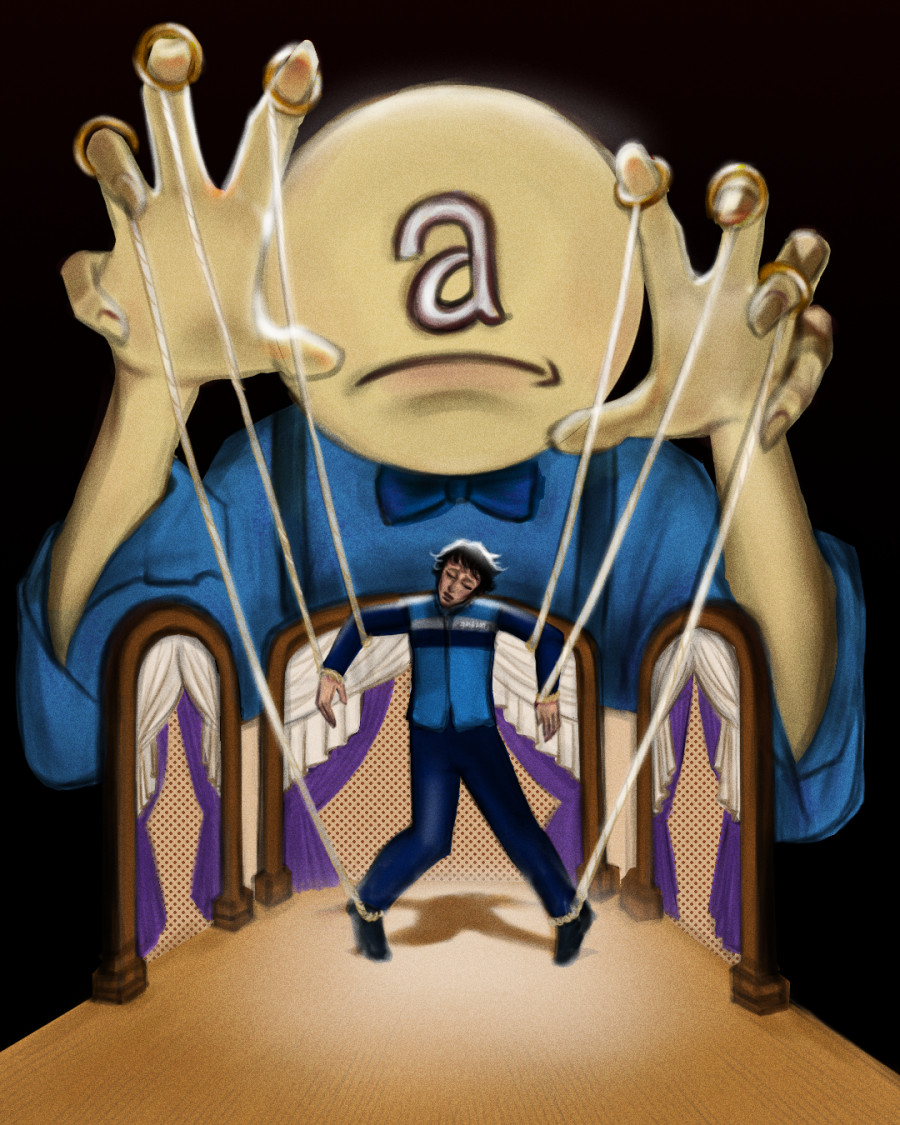
Once you pay attention, you’ll start to see Uber, Lyft and Amazon Flex drivers not as exceptions, but as the logical outcome of letting instability become a business model, the tip of a wider change in how Canadians earn a living.
Under the hood of every trip request and delivery ping is a machine where performance is tracked obsessively: miss a surge zone here, earn a low rating there, and suddenly the algorithm decides you’re no longer worth the labour.
Gig work in Canada is on the rise. In 2025, 667,000 Canadians had done paid work through a digital platform in the past year, according to Statistics Canada.
If you broaden the net to include all short-term tasks, freelancing and independent gigs, a 2025 survey showed that millions of Canadians participate in gig work, with roughly one in four adults reporting they had taken on gig work because of rising living costs.
Gig work, in itself, isn’t the problem.
Flexibility is a real benefit to many. Being able to work around childcare or squeeze in hours between other jobs can make a huge difference.
The issue is what the need for flexibility signals: it's a sign that stable work isn’t covering basic life anymore. It's a sign that risk has quietly shifted from companies onto workers. It's a sign that we’ve built a system where flexibility and “being your own boss” are preached, but workers’ rights and transparency are not.
Most platform workers are classified as independent contractors, which means they are generally excluded from employment standards that guarantee benefits, stable hours or even basic job security. This legal framing allows companies to sidestep responsibility while workers shoulder nearly all the risk.
While delivery drivers are a visible part of this precarity, this business model extends far beyond apps.
As a student in journalism and translation, two industries being reshaped in real time, it’s hard not to worry about what the future will look like.
The path forward is sometimes framed as exciting, entrepreneurial and independent, but beneath that language is another reality: there isn’t enough stable work to go around. Work will not be guaranteed, rates will constantly fluctuate and building a career will be defined by my ability to chase rather than grow.
But this transcends individual career anxiety; it signals a systemic economic pattern.
When a growing share of people earn their living through systems designed around instability, that’s not innovation. It’s a warning sign.
This article originally appeared in Volume 46, Issue 8, published January 27, 2026.





_600_375_90_s_c1.jpg)