
Mediocrity or specialization?
One does not have to master a hobby to engage in it
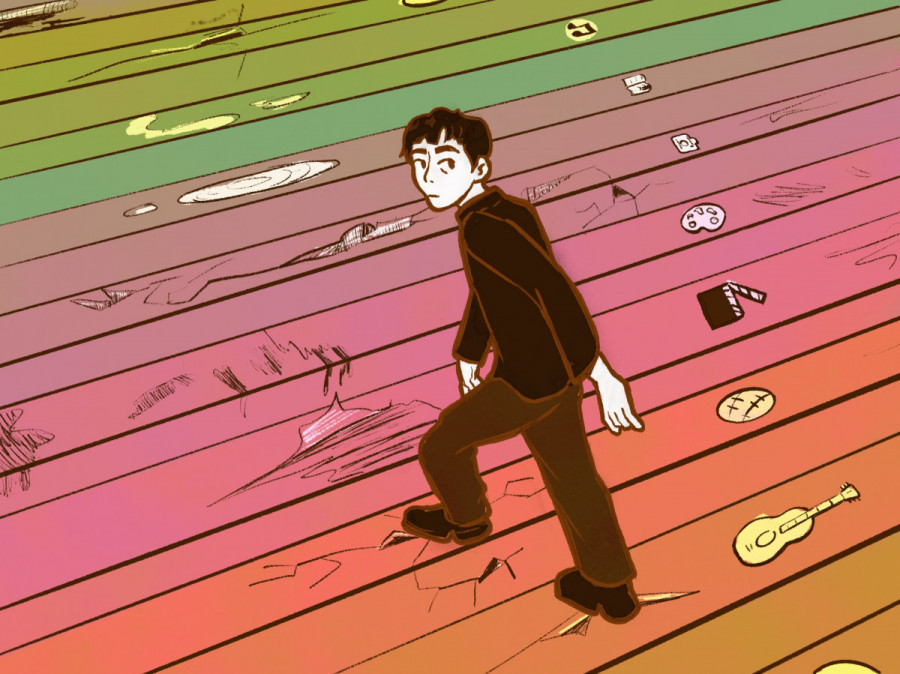
Most of us have hobbies we enjoy, activities that make us feel alive and curious. Yet, when we take the first step, we’re often awkward, clumsy or simply inexperienced. That initial lack of skill doesn’t mean we should stop; it represents precisely the reason to begin.
The truth is, a lack of proficiency at a hobby should not prevent a beginner from attempting it. In fact, engaging in new activities provides major benefits as one of the most powerful methods of boosting creativity, strengthening long-term brain health and discovering hidden parts of ourselves.
However, despite these benefits, many people avoid trying new hobbies due to a fear of failure. Furthermore, when one is openly attempting a new activity, failing at it can bring about feelings of shame and embarrassment.
Additionally, the rise of social media has made this issue more difficult, as the blatant mockery of people visibly in the process of learning or improving, a phenomenon known as online “cringe culture,” discourages us from sharing our progress. As a result, people often thwart their desires to begin new hobbies, which robs them of the joy and growth tied to learning.
This avoidance leads to deeper consequences than we may recognize. When we stop exploring personal hobbies, ones outside of work or school, our lives fall into a monotonous rhythm. The lack of creative or meaningful outlets can lead to an overall dissatisfaction with our lives.
Hobbies do not simply provide distractions; they represent proven methods that remain vital to a healthy mental state. A hobby aids in relieving anxiety and evoking a sense of purpose that goes beyond our daily responsibilities.
Unashamedly adopting a “this is new for me” mindset can free us from this cycle. By openly acknowledging our status as beginners, we replace the shame of being an amateur with curiosity.
The ability to adopt a positive attitude towards presenting as a beginner shows courage and promotes intentional growth. This mentality demonstrates the ability to take risks and embrace vulnerability by reframing inexperience as the first step toward improvement.
Experimenting with new hobbies may also open unexpected doors by unleashing our creativity and allowing us to gain a newfound sense of community. Joining classes related to our interests pushes us outside of our comfort zone by promoting socialization. These novel experiences improve our adaptability, as well as our resilience, and make us more interesting people.
Ultimately, there is no shame in being a beginner, nor is there any shame in being seen trying.
By embracing the courage to start, we permit ourselves to learn, to experiment and to enjoy the journey, no matter how messy it may be. In the end, the value of a hobby lies not in mastery, but in the willingness to try.





_600_375_90_s_c1.jpg)