Fill Concordia’s walls with student art
Transforming high-traffic campus spaces with student creativity and human connection
A stranger stopped mid-walk in the Vanier Library at Concordia University and whispered, “Wait—this is by a Concordia grad?”
It was.
Since 2024, our Library Services Fund Committee (LSFC) and Art Volt have installed a set of works by recent fine arts graduates at the Vanier and Webster libraries, right where students spend their days—between chargers, course reserves and group-study areas.
The moment landed exactly as we hoped it would. It didn’t just decorate the wall; it reframed the room and reminded someone hustling through midterms that a peer from this campus had made something moving, public and lasting.
For years, we’ve highlighted “student experience” as if it were a policy line item. This experiment proves that the experience is physical. It’s where your eyes fall while you’re waiting on a printer queue, what interrupts your stride on the way to an exam, what turns a hallway into a conversation.
We identified a few high-traffic spots in each library, worked with Art Volt to co-curate pieces from recent grads and hosted a vernissage where the artists shared process, meaning and context. We committed to rotating the selections regularly so new voices keep surfacing. And then we let the space do its work.
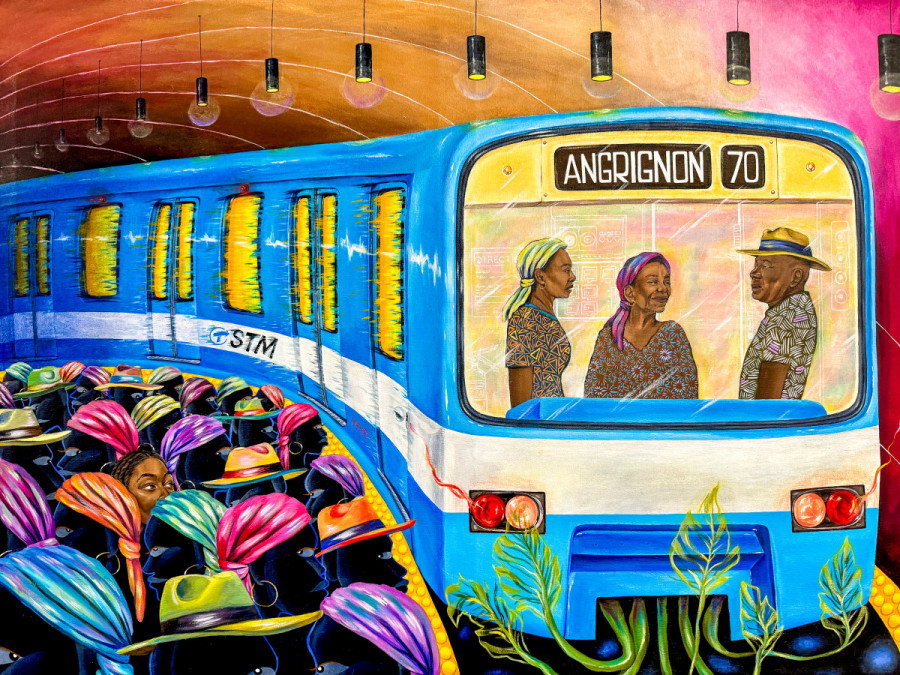
The results are visible and human. At the Vanier Library, an acrylic painting plants a Black-Indigenous woman in the landscape, forcing erased histories back into view; downtown, a bustling metro platform scene folds diaspora and city together.
You don’t need a degree in art history to feel something shift. You just need to pass by often enough for a piece to catch you on a day you didn’t expect it to. The surprise becomes a campus habit: lingering, reading the information card, recognizing a name, telling a friend, seeing the library differently. That’s how public culture should work at a university: no velvet rope, no field trip required, just daily encounters with ideas.
This isn’t just a feeling. The World Health Organization’s synthesis of more than 3,000 studies clearly outlines that the arts play a “major role” in preventing ill-health, promoting well-being and supporting treatment across the lifespan.
In health settings, patients don’t just notice artwork; they report better mood, lower stress and a stronger overall impression of care when surrounded by art. If that’s true in hospitals, imagine the stakes inside libraries during midterms. We already invest in extended hours, device-lending, course reserves and wellness corners; curating student-made art into the same spaces is an evidence-based way to support students’ mental state where it matters most.
And if health doesn’t move you, economics might. Canada’s culture sector generated $63.2 billion in 2023—2.3 per cent of the national GDP—with notable growth in visual and applied arts and live performance. That’s not ornamental; it’s infrastructure.
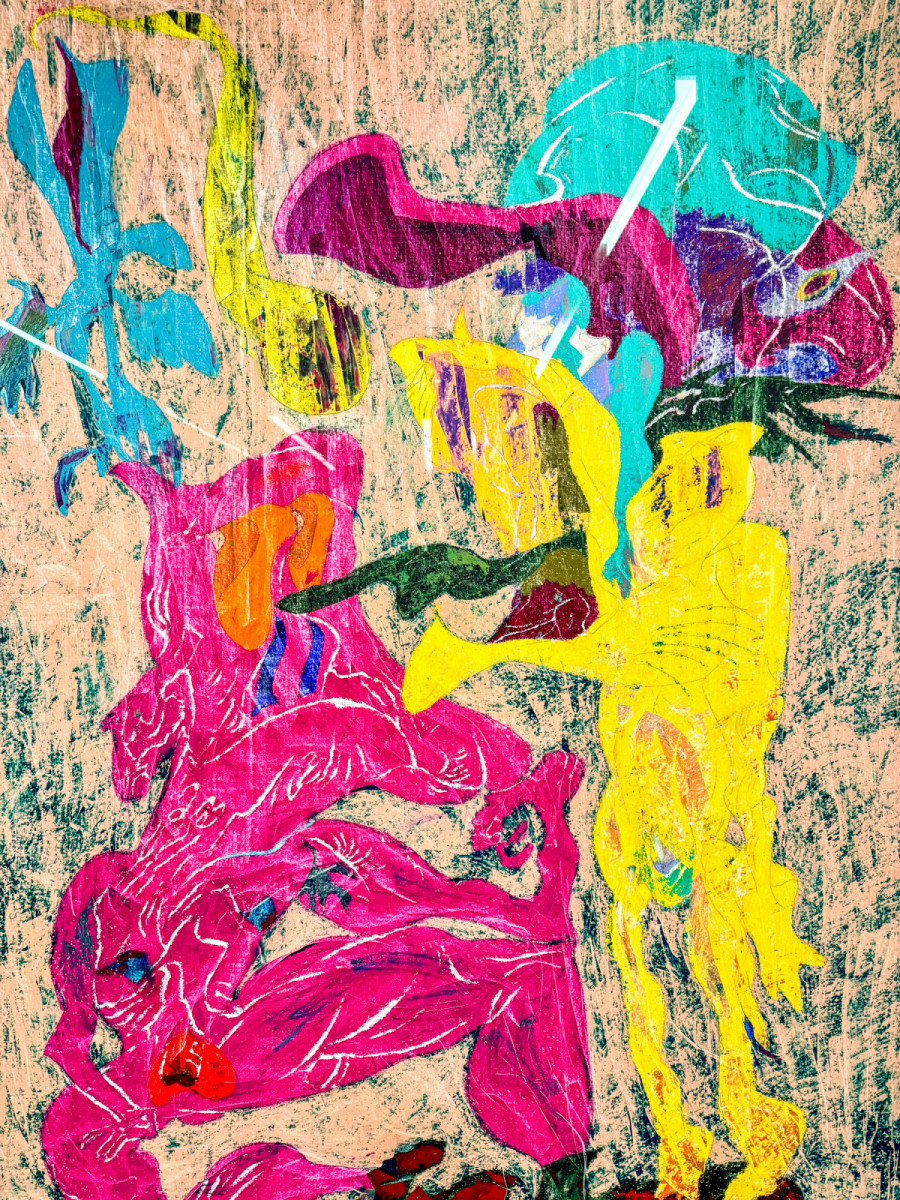
The best part? The simplicity. We didn’t build galleries; we used what we already had.
Pick the walls with natural dwell-time: elevator banks, tunnel junctions, study nooks. Partner with Art Volt to feature recent grads and include short process texts so non-fine-arts students can walk in with no background and still feel invited. Rotate the works on an annual basis so each graduating class leaves a trace. Document the locations and repeat.
Some will say, “We already have galleries for that.”
Galleries are wonderful—and not enough. They ask you to make time. Hallway installations give time back by sneaking reflection into the commute between a lab and a lecture. Galleries select a few; rotating walls broaden exposure to many.
When an engineering student recognizes a classmate’s name on a label or a business student stops to read an artist’s note about materials and memory, the campus starts to feel more like a single community than a collection of silos.
So here’s the ask, plain and doable: if you’re a department chair, pledge one wall and a two-hour window for installation. If you’re a dean, set aside a tiny yearly budget for hanging hardware, labels and refreshes. If you’re a faculty association, help recruit artists and collect feedback. If you’re Facilities Management, publish a safe, reversible, simple hanging guide so any unit can copy-paste. No committees for the sake of committees, no endless planning sessions. Just a few permissions, a short checklist and a schedule.
I’ve spent three years on the LSFC, advocating for art accessibility and helping make this collaboration with Art Volt happen. I’ve seen the patient, deliberate work of coalition-building pay off in a very Concordia way: modest resources, clear intent, shared stewardship, big human return.
If we believe this university is a city of ideas, we should let our students speak through every wall we have. Start with the pieces in the Vanier and Webster libraries. Read the placards. Feel the room tip a little. Then pick the next wall.
This article originally appeared in Volume 46, Issue 2, published September 16, 2025.