Editorial: The streets have made our voices heard. Now, the polls will.
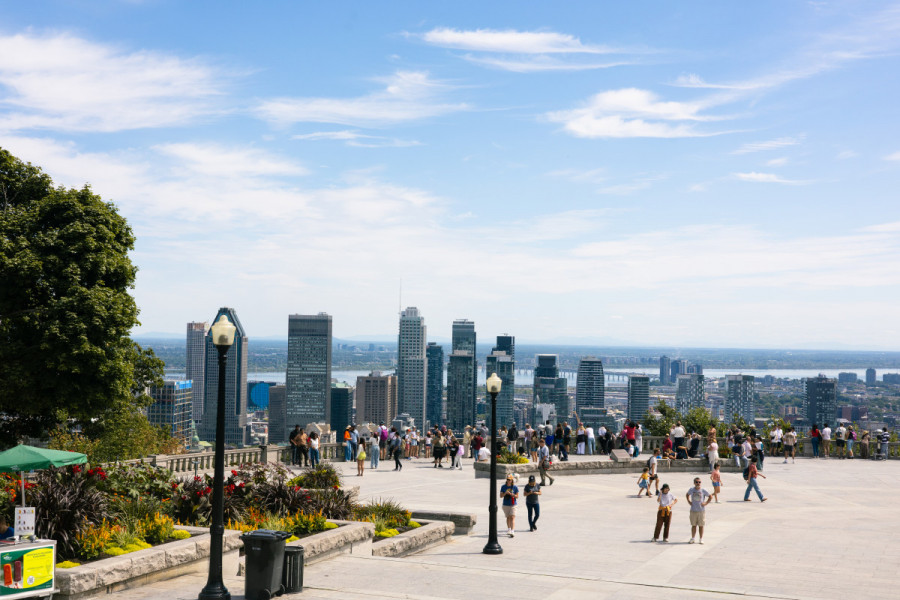
Montrealers have marched, protested and demanded change. Now, the city’s future depends on the choices we make at the polls.
On Sunday, Nov. 2, from 10 a.m. to 8 p.m., residents will have the chance to cast their ballots. Advance polling opens Sunday, Oct. 26, and in some municipalities, voters can head to the polls the day before.
The window is short. The stakes are high.
Don’t cast your ballot blindly. Know the candidates, what they stand for, what they actually plan to do and how their decisions will affect the people most at risk.
Montreal faces multiple, interconnected crises that demand immediate attention.
Affordable housing is vanishing at an alarming rate, leaving thousands struggling to find stable homes. Homelessness is rising sharply—with over 9,300 people across Quebec experiencing homelessness, and nearly 42 per cent of them in Montreal. City services are stretched thin, unable to meet the growing needs of communities already under pressure.
Systemic police violence continues to harm marginalized communities. LGBTQIA2S+, Black, Indigenous and racialized residents remain disproportionately targeted—subjected to over-policing, harassment and deadly encounters with law enforcement. Hate crimes and sexual assault cases are also on the rise, exposing deep gaps in the systems meant to protect residents and ensure public safety.
These issues are connected. They determine who is criminalized, who is erased and who gets to live with dignity in systems that too often fail them. The challenges facing Montreal are urgent, complex and demand solutions that go beyond surface-level fixes.
The Link has reported on these struggles, supported protests and strikes, and amplified voices too often ignored. Our coverage has always been about holding power to account—and that extends to the ballot box.
Montrealers know how to show up.
Over the years, tenant coalitions have taken over the streets of Parc-Extension and Hochelaga-Maisonneuve, calling out landlords and weak rent control. In September, hundreds packed Phillips Square to counter anti-trans protesters. In recent weeks, after officers fatally shot 15-year-old Nooran Rezayi in Longueuil, hundreds gathered for vigils and protests demanding justice and an end to systemic police violence.
Montrealers have already proven they’ll fight for their city. Now, that fight needs to move from the streets to the polls.
As of mid-October, Ensemble Montréal’s Soraya Martinez Ferrada leads the mayoral race with 26 per cent of decided voters, despite a recent controversy surrounding a member of her team. Ensemble Montréal’s Sud-Ouest mayoral candidate Thierry Daraize was recently under fire for now-deleted social media posts that, among other things, see Daraize referring to Muslims as “bearded radicals” and joking about booking a “2032 vacation to Gaza at an all-inclusive.”
Following Martinez Ferrada’s lead is Projet Montréal’s Luc Rabouin at 18 per cent, with Action Montréal’s Gilbert Thibodeau at 8 per cent. Transition Montréal and Futur Montréal trail at 5 and 3 per cent respectively, while independents sit at or below 1 per cent.
With more than a third of voters still undecided, the outcome remains far from certain.
Ask yourself: Which candidates will prioritize housing and social services? Who will address systemic violence and ensure safety for marginalized communities? Which platforms actually reflect the needs of those most at risk in our city?
In the 2021 Montreal municipal election, voter turnout came out to 38.3 per cent. Among voters aged 18 to 24, only 21 per cent took part—the lowest of any age group.
This trend reflects a broader disengagement among young voters, who have a stake in current critical issues like job insecurity and housing unaffordability. Municipal policies have the power to directly shape these issues, whether for better or for worse.
Streets may swell with protest and timelines with outrage, but real leverage comes every four years at the ballot box. Now is not the time to stay silent.
Voting is an act of advocacy—every ballot represents an opportunity to act with intention. The Link urges you: research the candidates, scrutinize their promises and decide who will shape the future of this city.
This article originally appeared in Volume 46, Issue 4, published October 21, 2025.