
Editorial: The importance of student journalism
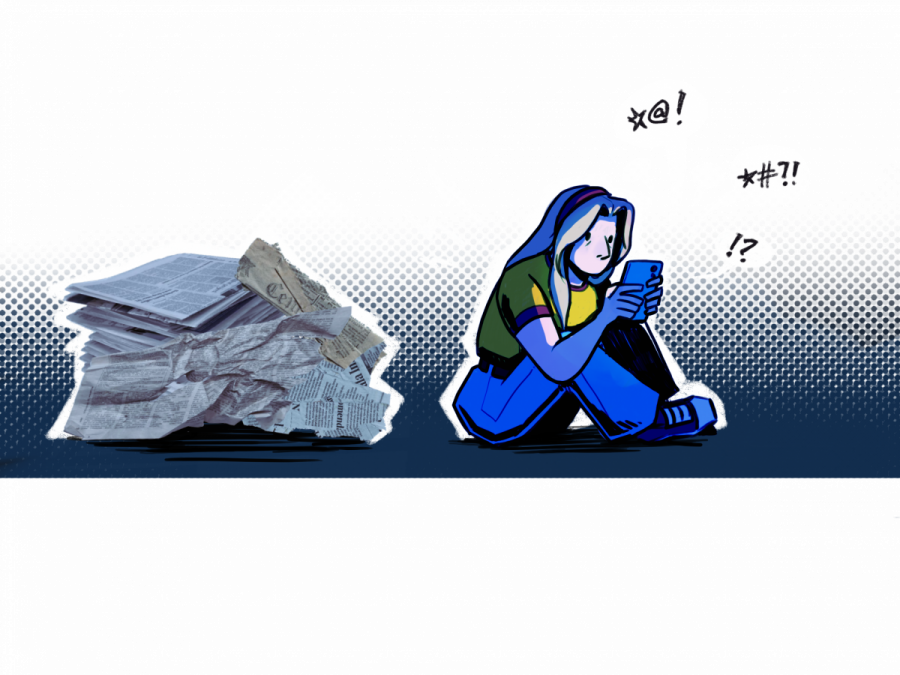
News reporting has become readily accessible to anyone to create and distribute through the advent of social media and technology, which allows anyone to document events in real time.
While this has upset the monopoly that legacy media has over the news, it has also made misinformation rampant.
Today's students—not just here at Concordia University—live thoroughly digital lives, surrounded by an almost constant influx of online information. As news consumption has shifted almost entirely to social media platforms and automated feeds, the need for robust digital literacy is higher than ever before.
When these young audiences are continually confronted with a vast overload of information, it becomes even more difficult to distinguish professional journalism from sponsored content or deliberate lies.
The rise of generative artificial intelligence (AI) has drastically escalated the average journalist’s fight for truth. Every single day, we navigate online interfaces designed to blur our reality, using subtle tricks so that sponsored content and deepfakes can more easily pass for real reporting. These tools pump out realistic images, persuasive audio and artificial text engineered to fool and divide us.
How tiring. Wouldn’t you rather know that when you pick up a newspaper or open a website that you can trust the voices you’re listening to?
When we were children, our parents and the adults around us taught us not to believe everything we saw online. Now, two decades later, countless members of that same generation of adults believe anything the internet spews out at them.
In the early 2000s, most misinformation was crude, like the "Nigerian prince" emails, which were easily discredited. When our parents warned us against trusting everything online, they were talking about protecting personal information, like our real names. Today, as we caution them about the same thing, the content is far more insidious: it reinforces their existing biases and tells them precisely what they want to hear.
The stakes are much higher. Now there are entire online disinformation ecosystems that reinforce one another. It doesn't simply come through easily ignored or blocked emails or static web pages; it's videos on TikTok and other social networking sites.
The news media has become increasingly politicized, and social media companies in particular have realized they could exploit this misinformation for profit. Decades ago, watching the nightly news, you’d never even know what political party the anchor was affiliated with. Today, entire outlets are merely propaganda arms of the parties they support.
It's no wonder that people are becoming increasingly cynical. When pushing a political agenda becomes more important than investigating the truth, people will naturally seek other avenues to find information.
The recent Hugging Face attack has proven that AI agents now have independent agency and are sophisticated enough to defy human orders. It acts in the interest of AI and not humanity. With the potential to create completely false content, a vast number of people who have no media literacy could fall victim to false information due to rogue AI.
The ever-changing media landscape is driving a massive collapse in public trust in media institutions. The one edge that professional newsrooms have over unidentifiable internet users is trust. With big national newsrooms slashing local coverage, the daunting task of fact-checking and debunking false media falls directly on our shoulders as student journalists.
With attention spans shrinking under a relentless firehose of content, trying to fact-check something after sharing it simply does not work. News needs to be accurate the moment it hits people’s screens, which means putting in the effort and patience required for every piece of media.
It's within this context that The Link’s mission comes through.
Our campus newsroom fills a crucial void that major outlets ignore. We record campus history, scrutinize administration decisions and hold leadership accountable. By keeping our standards high, we ensure our community gets the unfiltered truth on issues directly impacting their lives.
Running an independent student paper is the real-world testing ground. We might not control corporate media agendas, but we hold real power on our campus. When we chase down evidence, interview real people and uphold our strict editorial standards, we are committing to challenging the age of digital misinformation at the grassroots level.
This article originally appeared in Volume 47, Issue 1, published September 8, 2026.



_600_375_90_s_c1.jpg)