The digital archive of self
Our digital clutter is the truest diary of modern life
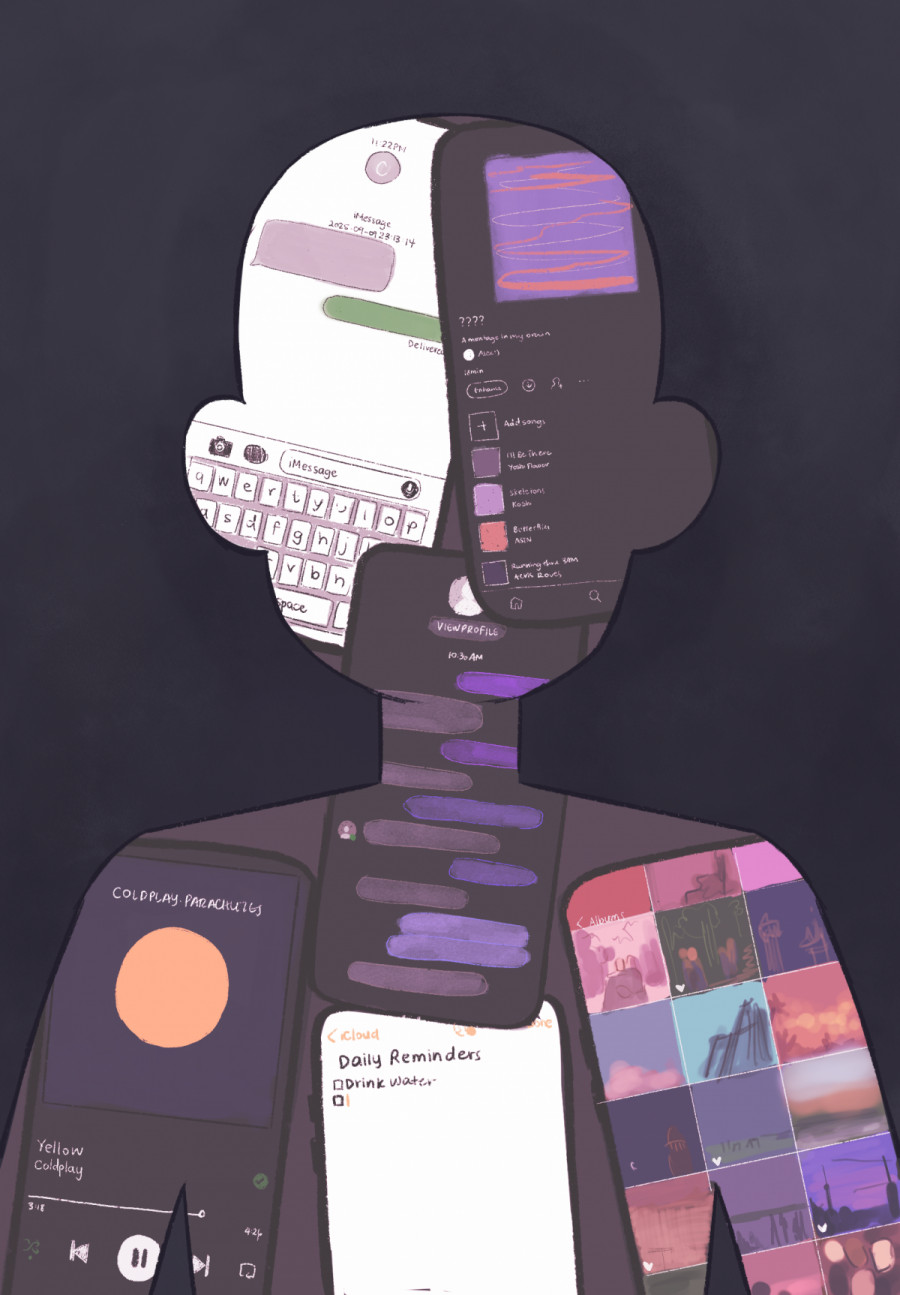
A person's digital closet—their playlists, camera rolls, Notes app dumps and endless screenshots—reveals much more about their psyche than the clothes hanging in their physical wardrobe ever could.
Our phones have become a curated archive: less a storage device, more an intimate extension of our desires, fears, memories and obsessions. If once a diary chronicled a soul, today it’s the mosaic of digital fragments across our screens that tells the deeper story.
Unlike traditional closets, which embody style and status, the digital closet holds unguarded moments: voice memos recorded at midnight, friendships captured in old WhatsApp threads, screenshots of texts never sent, and playlists built for moods we never admit aloud. These are not curated for public display; rather, they accumulate quietly, presenting a raw, honest catalogue of a life in progress.
Scrolling through someone’s media library or Notes app can reveal their inner landscapes, unspoken anxieties and secret dreams, giving digital intimacy a vulnerability that physical possessions rarely achieve.
Each saved image or cryptic note reflects choices: what is worth remembering, fearing or desiring. Obsessive screenshotting and collecting digital ephemera are modern acts of meaning-making, replacing the box of old letters under the bed with a camera roll chronicling both joy and heartbreak.
Unlike physical clutter, digital hoarding often goes unchecked, endlessly archiving insecurities and aspirations. The digital closet thus acts as a living diary, exposing not just taste, but the evolving contours of the self.
But there is a profound risk tucked into our digital closets. What feels intensely private—the melancholy playlist, the screenshot of an old message, the note titled “For When I Leave”—is more exposed than most people realize. Every smartphone is a portal for powerful algorithms and tech companies to map our desires and vulnerabilities in granular detail, sometimes without consent.
Identity theft, commercial profiling and accidental exposures are not just distant threats: data breaches or poorly secured apps can reveal more than we ever intended, and for marginalized communities, the digital closet can become a site of involuntary outing or surveillance—or worse.
Mindfulness is essential. It’s easy to let digital clutter accumulate, but much harder to reckon with the consequences when boundaries are breached. Regularly reviewing what is kept, scrubbing sensitive notes or screenshots, and limiting app permissions are acts of self-protection, not paranoia.
Consider: Is every piece of this digital archive worth the price of privacy? Or is it time to curate not just for memory’s sake, but for security too?
Our digital closets are no longer silent witnesses; they are outspoken reflections, revealing more than we ever planned. The real dilemma isn't what we’re curating, but how much of ourselves we’re giving away with every swipe, save and screenshot. It's time to pause, reflect and only let the most intentional pieces live on in this archive of self.
This article originally appeared in Volume 46, Issue 2, published September 16, 2025.