
The algorithm is running for office
Trending sounds don’t make for sound leadership
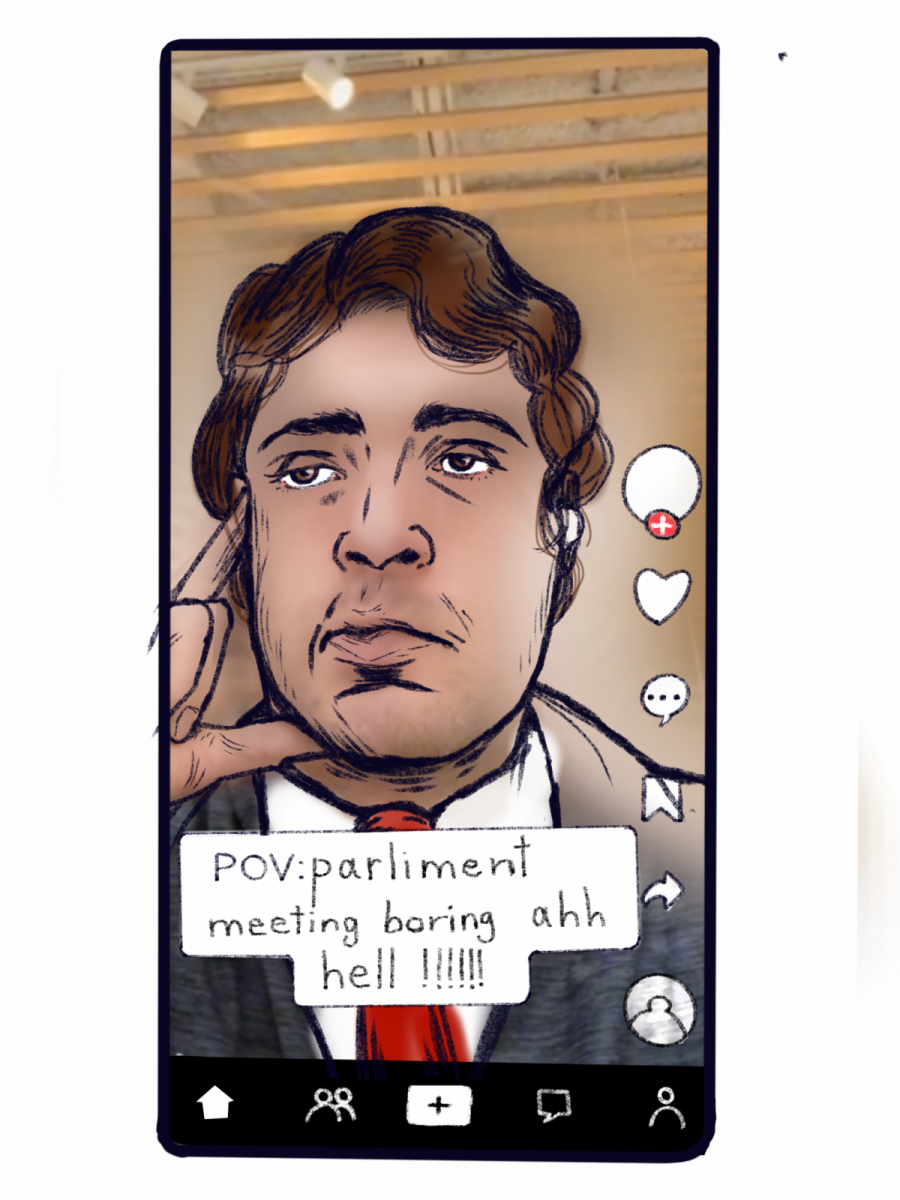
If you scroll through Instagram or TikTok, you might catch a politician lip-syncing to an ironic audio clip or hopping on the latest trends.
This is less likely satire than strategy. In an era where attention spans are measured in seconds, the podium has been replaced by the algorithm.
Social media has become the main stage for public discourse. TV ads, town halls and even billboards can’t compete with a viral 15-second clip. Everyone—plumbers, coaches, businesspeople—has become an influencer, and politicians have followed. Politics has entered the content economy, where the golden rules are simple: be relatable, be quick, be everywhere.
But here’s the problem: politics isn’t supposed to be content. When leaders chase likes instead of trust, they trade substance for spectacle. A politician who governs by trend is no better than an influencer selling skincare—except the stakes are far higher.
U.S. President Donald Trump is the perfect example of this type of political influencer. His constant presence on social media, direct-to-camera videos and use of catchy slogans showed how a political figure could dominate the digital space like a content creator.
Yet, his approach also revealed some of the more troubling dimensions of this strategy. Tweets riddled with misinformation, personal attacks against opponents, and inflammatory statements not only entertained his base but also undermined democratic norms and fact-based debate. Moments such as his repeated false claims about election fraud or his use of Twitter to escalate international tensions show how his influencer-style politics blur the line between political messaging and sensationalist content creation.
In Quebec, Ruba Ghazal, a member of the National Assembly for Québec solidaire, also embraces social media to connect with the public. However, she does this with a seemingly very different intention.
On Instagram, Ghazal highlights her policy priorities, communicates directly with constituents, and occasionally critiques political opponents, such as Premier François Legault. She often uses trending sounds and popular songs to build an informal, approachable tone that mirrors influencer culture.
While the style is similar to Trump’s—direct and highly visible—the purpose is fundamentally different: Ghazal uses her platform for advocacy and engagement rather than sensationalism.
This contrast shows that while certain political leaders have learned to leverage concise video formats to convey substantive messages rather than merely divert attention, others have used the same tools in ways that entertain or inflame, rather than inform.
With phone cameras and editing apps, responsible leaders permit voters to glimpse the quotidian motions of governance. This unscripted transparency builds a sense of personal accessibility and genuine involvement. The approach transcends staged performances by repurposing a familiar communication medium, thereby meeting audiences where they consume news and opinion every day.
Yet we must be careful not to mistake this content for the whole truth. When the lines between media and reality blur, it becomes easy to forget what is carefully crafted content and what is substantive fact—and leaning on these glimpses alone risks oversimplifying the complex work of governance.
The issue isn’t that politicians are online. The problem arises when the goal becomes merely to gain views.
When politicians post silly skits or chase trends just to stay visible, it cheapens the conversation. Politics begins to feel more like a popularity contest than a civic responsibility, and important debates risk being overshadowed by spectacle. Beyond the potential to undermine democratic norms, this approach erodes public trust, discourages informed engagement, and makes political discourse increasingly shallow and performative.
In the end, when politics becomes content, democracy itself becomes the audience.
This article originally appeared in Volume 46, Issue 2, published September 16, 2025.




_600_375_90_s_c1.jpg)