
Substack’s broken promise
How a platform for independence fell to the logic of the market
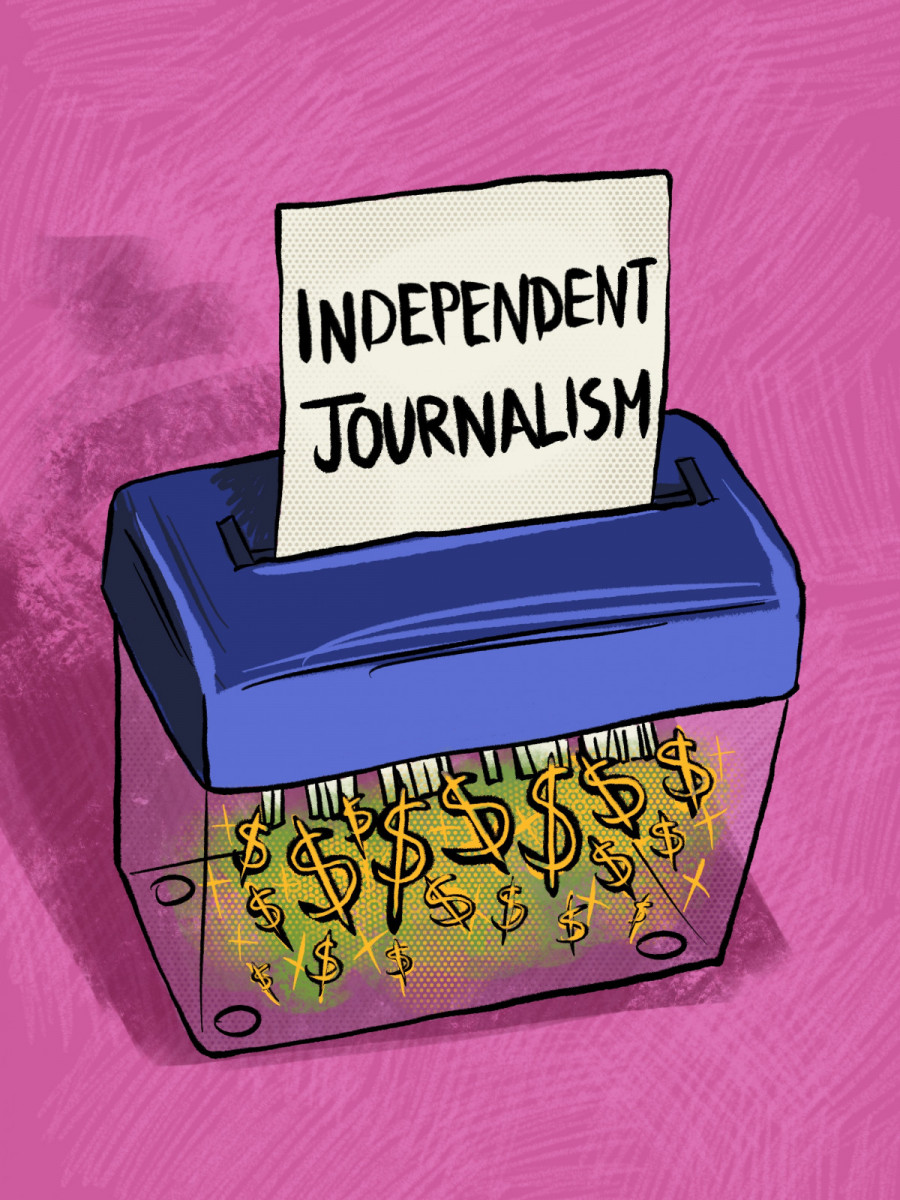
For some, Substack carried a rare promise: to restore journalism's independence. Instead, it’s becoming a mirror of the very media landscape it set out to escape: driven by clicks, engagement and ultimately, profit.
The recent acquisition of The Free Press, an alternative media outlet launched on Substack, known for its right-leaning positions, by Paramount for US$150 million symbolizes this tragic turn. The hope for a long-awaited journalistic revolution is becoming just another product of the solid economic system of the media.
Launched in 2017, Substack presented itself as an alternative to traditional media. It brought with it a simple promise: to allow anyone to publish their newsletter, without advertising or intermediaries, by addressing the reader directly.
This approach has seduced more than 50 million users, giving anyone the possibility to create or consume outside traditional editorial logic.
It is important to recognize, however, that Substack serves multiple purposes.
On one side, it represents a creative and literary space, where innovative personal, poetic or experimental writings are published. On the other side, it is an informational space that attracts independent journalists, analysts, political commentators and influencers.
It’s the journalistic side, the independent reporting and commentary, that worries me most.
To put it briefly, the initial utopia of Substack hasn’t resisted the laws of the market.
In 2023, the platform introduced Notes, a system of short posts meant to promote the discovery of new authors. This change marked a subtle but significant shift. Substack’s algorithmic approach remains less opaque than platforms like X or Facebook, relying primarily on a chronological feed based on subscriptions.
However, the introduction of engagement mechanics—likes, restacks and recommendations—gradually pushed the platform toward the attention economy it once claimed to reject.
Already-established content creators benefit from greater visibility through these engagement signals, while newcomers struggle to emerge from the feed. The drift isn't about algorithm opacity in the traditional sense, but rather about the progressive adoption of social media mechanics that prioritize viral potential over sustained quality.
The economics of attention has taken the place of intellectual curiosity. From one perspective, Substack may still seem like a haven for genius minds, especially to someone coming from TikTok. From another, the platform has shifted: what once promoted slow reading now encourages fast consumption and immediate reactions.
This technical drift comes accompanied by a form of moral blindness.
In January 2024, Substack found itself at the centre of a scandal over hosting Nazi newsletters. Facing widespread criticism, CEO Chris Best defended a non-interventionist stance, stating that “readers and writers are in command.”
In other words, everything is allowed as long as money is involved. Several well-known figures, for example, Casey Newton of Platformer, left Substack in protest. This total free speech has become a mask for dangerous leniency toward disinformation and hatred.
The economic system of Substack itself fuels this drift. Relying on free or paid subscriptions to certain newsletters, the platform encourages writers to build loyalty among their readership. Of course, authors need to get paid, but in a media landscape where polarization remains so strong, this type of incentive only accentuates it. The more the content polarizes, the more it attracts.
The acquisition of The Free Press gives another stab wound to Substack.
Bari Weiss, a well-known former New York Times columnist, founded her own media platform, The Free Press, on Substack to emancipate herself from the traditional newsroom, claiming it was “hostile” to centrists. A few weeks ago, she was appointed editor-in-chief of CBS News, the type of institution she supposedly wanted to escape.
Weiss still serves as CEO of The Free Press, which continues to exist as a separate entity under the aegis of Paramount. It underscores the tension between claiming independence and remaining under corporate control.
Beyond the Substack case, it’s the idea of a common public space that flies away. Each subscriber finances the journalist or influencer who shares his opinion, instead of the one who questions it. Fragmentation takes place, nicely accompanied by political polarization.
But not everything is lost. The possibility for a truly independent journalistic approach still remains, though it requires revisiting the tools. It starts with establishing clear standards for those who claim to practice journalism, making algorithms less opaque and most importantly, putting in place some public or cooperative funding models.
Substack’s evolution is not an accident, but a symptom of a system where every innovation promises freedom before being absorbed by the logic of profit. In such a system, platforms that aim to liberate speech end up reproducing the very drift they claim to fight.
This article originally appeared in Volume 46, Issue 5, published November 4, 2025.




_600_375_90_s_c1.jpg)