
Sharing isn’t selling out
Gatekeeping weakens culture in the name of protection
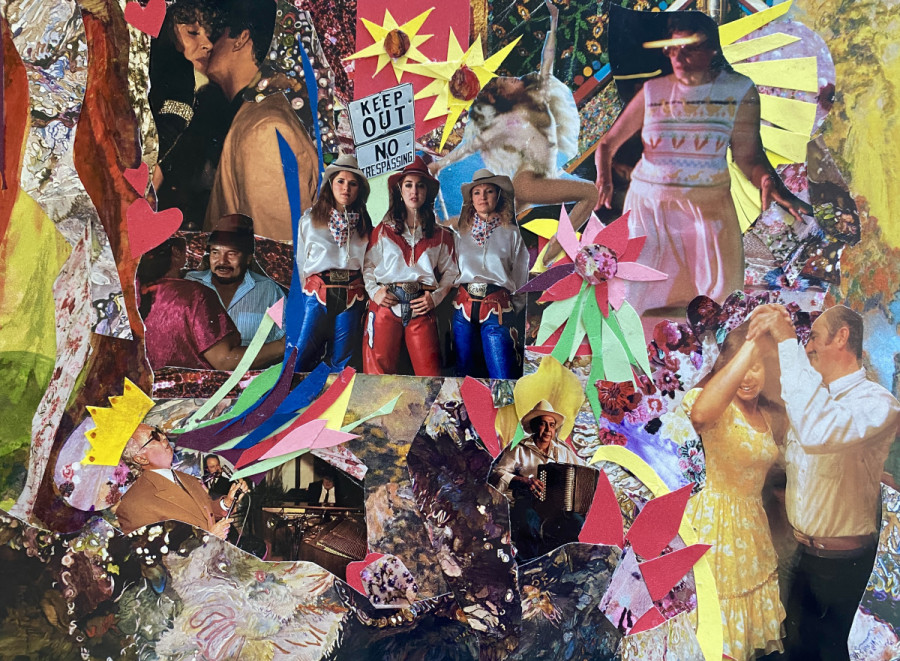
Gatekeeping isn’t always synonymous with exclusion. But too often, that’s exactly how it works.
Gatekeeping is the activity of trying to control who has access to certain opportunities, power, or resources, and who does not. The idea is that by keeping certain spaces or communities closed, we protect them from harm, and in some cases, that’s true. Without boundaries, marginalized groups can lose safe spaces, subcultures can be watered down, and unique communities can be commodified.
I’ve experienced the value of protective gatekeeping firsthand.
At a queer rave, my friends and I felt more at ease knowing the space wasn’t advertised to everyone; it gave us the freedom to express ourselves authentically. The same applies to other communities, like BIPOC spaces, which need protection from voyeurism and appropriation.
Marginalized groups create and maintain safe spaces as buffers against microaggressions, discrimination, and cultural appropriation. Gatekeeping in this context could be essential for preserving safety and self-expression.
But gatekeeping doesn’t always serve that purpose. Sometimes it looks like someone refusing to share the location of a spot from their Instagram story, the name of an underground bar, or even the brand of clothing they’re wearing. In those moments, it’s not about protection, but about exclusion.
It’s natural to want to hold onto something special, to shield it from becoming commodified or overrun by the mainstream crowd. But we have to ask ourselves: is this really about preservation, or ego? And more importantly, who gave us the authority to decide?
The truth is, we’re not the owners of these spaces, artists or brands. So why do we feel entitled to restrict access? Sometimes, what the creators, artists and business owners actually need most is support and visibility, not secrecy.
Most of the time, gatekeeping doesn’t function as protection, and often, it slips into elitism, where people decide who is “worthy” of knowing.
Gatekeeping in the music industry, for example, can be deeply damaging because it often leads to exclusion, stagnation and inequality within communities.
By dismissing new members and labelling certain artists as “not real” musicians, gatekeepers create barriers that prevent fresh talent from entering the scene. This exclusion not only alienates fans and emerging artists but also limits diversity in musical expression.
Humanity is fundamentally rooted in forming communities, sharing resources and working together cooperatively. Humans have an intrinsic need to belong, rooted in our survival through connection and cooperation. Gatekeeping works against this drive by creating barriers to sharing, collaboration and community.
Necessary boundaries often appear naturally. A niche rock bar will always attract people who love that type of music, and those who don’t will naturally gravitate toward something else. So we could take the chance to share, and maybe the person we think “doesn’t belong” will surprise us and discover a new passion, or their new favourite place.
Instead of deciding who deserves access, we should focus more on creating meaningful spaces. Gatekeeping might preserve one’s ego, but openness develops community.
This article originally appeared in Volume 46, Issue 3, published September 30, 2025.



_600_375_90_s_c1.jpg)