
Do album covers really matter?
The right album art can turn music from sound into an experience
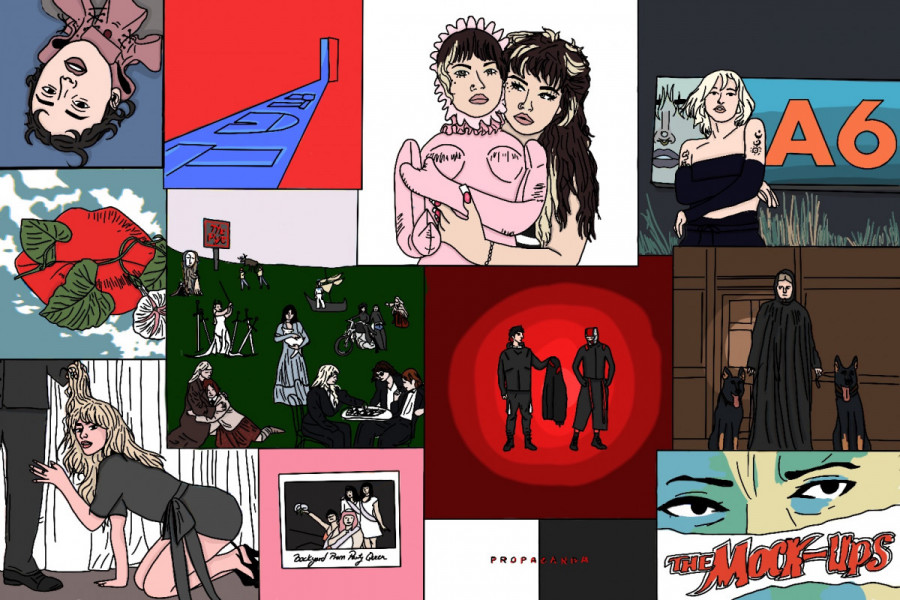
Click play, and the music hits—but first, your eyes land on the album cover. That image grabs you before a single note does, hinting at the story, the vibe, the feeling inside.
For me, an album cover is just as important as the music itself. It’s the first thing you see, the image that draws you in—and sometimes even the reason you give the album a chance. Album covers shape our listening experience; they spark cultural conversations and build identity.
Some covers stick with us and become timeless icons. On a friend’s wall, printed on a worn-out T-shirt, or even scrolling past them in our feed. They spark something familiar in us. In that instant, the image brings the music rushing back, along with the feelings and memories tied to it.
Without them, music would lose meaning.
Cover art serves as the bridge between artist and listener; it creates unity. In today’s digital age, artists have access to endless creative tools and different media at their disposal, and album covers have become another canvas for them to express their vision. They allow the artist to tie the theme of the album together. These covers aren’t just pretty packaging; the visual art amplifies the sound and feeling.
Album covers also create conversation.
Take Sabrina Carpenter’s recent cover for her new album, Man’s Best Friend. The image of the artist kneeling, hand resting on a man’s thigh as he holds her hair, set off a wave of controversy across her fandom.
Critics have called it demeaning to women, labelling it as “regressive” and suggesting that it shows a power imbalance. Others defended it as merely satire, arguing that Sabrina was playfully commenting on how patriarchal societies objectify women.
The mix of outrage and support shows just how deeply album art can engage an audience, turning a single image into a focal point for debate and reflection. Album covers don’t just reflect the artist’s vision; they become a shared experience, shaping how the music is interpreted and remembered.
Whether you view it as offensive or satire, the fact remains: the image got a lot of people talking. It added a layer of interpretation to the album, engaging the audience before they even pressed play. This is what great album art does: it sparks conversations, provokes the listener and allows them to feel.
Of course, not every album cover is groundbreaking. Some are simple portraits, others are minimalist designs that don’t add much depth. But even these covers contribute to an album's identity. Imagine scrolling through Spotify or flipping through vinyl racks and seeing nothing but blank covers. The music might still be good, but the experience would feel incomplete.
Some covers even become cultural touchstones. Take Pink Floyd’s album The Dark Side of the Moon, for example. Its prism refracting light into a rainbow is one of the most recognizable images in music history. Minimalist yet profound, it captured the band’s exploration of time, existence and perception. The prism didn’t just decorate the album; over time, it became closely associated with psychedelic rock, turning a simple design into a lasting symbol.
So yes, album covers still matter. They're vital. They give us something to hold onto in a world of endless streaming and playlists. For me, imagining music without album art feels impossible; it would be like reading a novel with no cover or watching a movie with no poster. The art pulls you in, sets the tone, and stays in your memory long after the songs fade.
Album covers are the first hello, a preview of what's to come. A striking cover can make you pause, wonder and make assumptions even before you press play. Cover art gives music personality and story, making the whole experience richer.
Album covers remind us that music isn’t just sound, it’s an experience. And without art to frame it, it would be far less meaningful.
This article originally appeared in Volume 46, Issue 3, published September 30, 2025.





_600_375_90_s_c1.jpg)