
Bare minimum or princess treatment?
The internet has reshaped our perception and expectations of romantic relationships
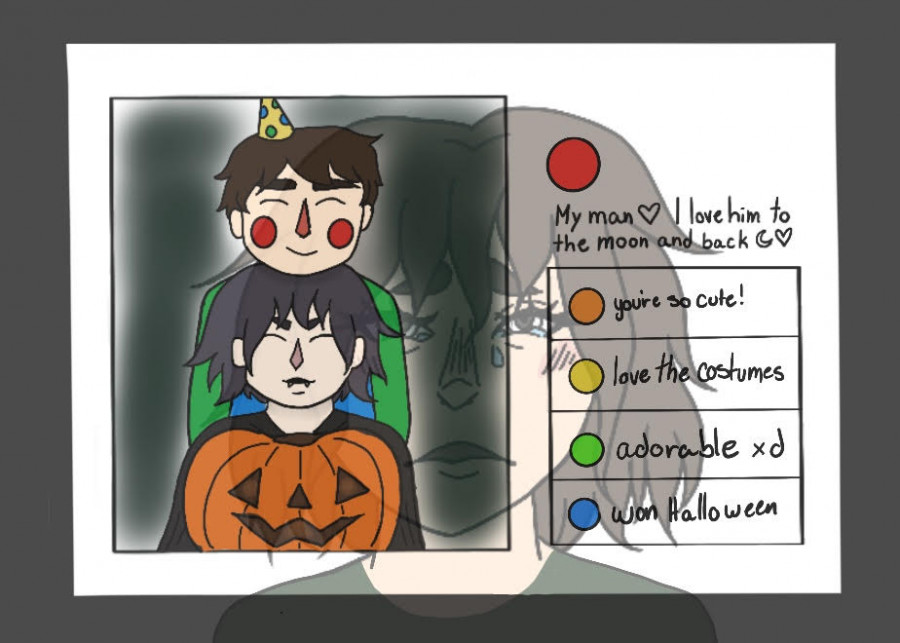
Holding the door open: is that just polite, or the bare minimum? Flowers on a Wednesday: romantic, or a little over the top? Paying for dinner: a genuine gesture, or what anyone would do?
These debates, circulating online, reveal wider ideas on gender norms, emotional expectations and how the internet has slowly started to transform modern relationships.
At first glance, this trend, where TikTok users debate whether romantic gestures count as “princess treatment” or the “bare minimum,” seems harmless, even a little fun. It highlights dating standards and celebrates small gestures of affection, yet these acts become increasingly performative.
Romantic moments that once belonged just to the couple are now on display for anyone to judge. We rate, analyze and score love like it’s a game. The more strangers weigh in, the more romance turns into a performance. And the less it feels real.
Even the terms themselves carry weight. “Princess treatment” evokes ideals of femininity that reinforce gendered stereotypes. For many women, this term signals a refusal to accept emotional scarcity and indifference.
But it can also backfire by unintentionally reinforcing traditional dynamics within relationships, suggesting that affection must be earned through feminine performance rather than mutually given. Men are also cast as the sole providers of romance rather than equal participants, working with the very stereotypes that modern couples aim to challenge.
The term “bare minimum” reveals the normalization of low expectations within modern dating. We now celebrate basic acts of care—saying goodnight, opening the door, picking up the check—as extraordinary. The phrase signals a culture where we treat decency and affection as achievements rather than fundamentals of a healthy relationship.
As dating culture becomes increasingly mediated by apps, these standards slowly erode, turning care and thoughtfulness into something to be earned, rather than simply given.
Both terms reveal an underlying cultural fixation on quantifying love and affection. Because social media encourages constant comparison, the quality of a relationship becomes determined through public engagement. In turn, intimacy becomes gamified online, thus forcing couples to seek external validation regarding the quality of their relationship.
The desire to be perceived as someone who is loved begins to outweigh the experience of genuine love.
The trend also reveals a collective yearning to feel loved and secure. The questions, despite being posed jokingly, ask something about the current state of emotional availability. People want to know the extent to which effort still matters and whether or not it can exist without an audience.
Ultimately, the debate surrounding the “princess treatment or bare minimum” reflects insecurities that sit at the core of modern relationships, where individuals seek external validation and perform the act of love.
And yet, true intimacy remains in the quiet gestures—the acts of care that happen when nobody’s watching. It’s in these unseen moments that love proves itself, authentic and unperformative.
This article originally appeared in Volume 46, Issue 5, published November 4, 2025.






_600_375_90_s_c1.jpg)