
A dissection of body horror
The art of creating beauty from what otherwise feels devoid of it
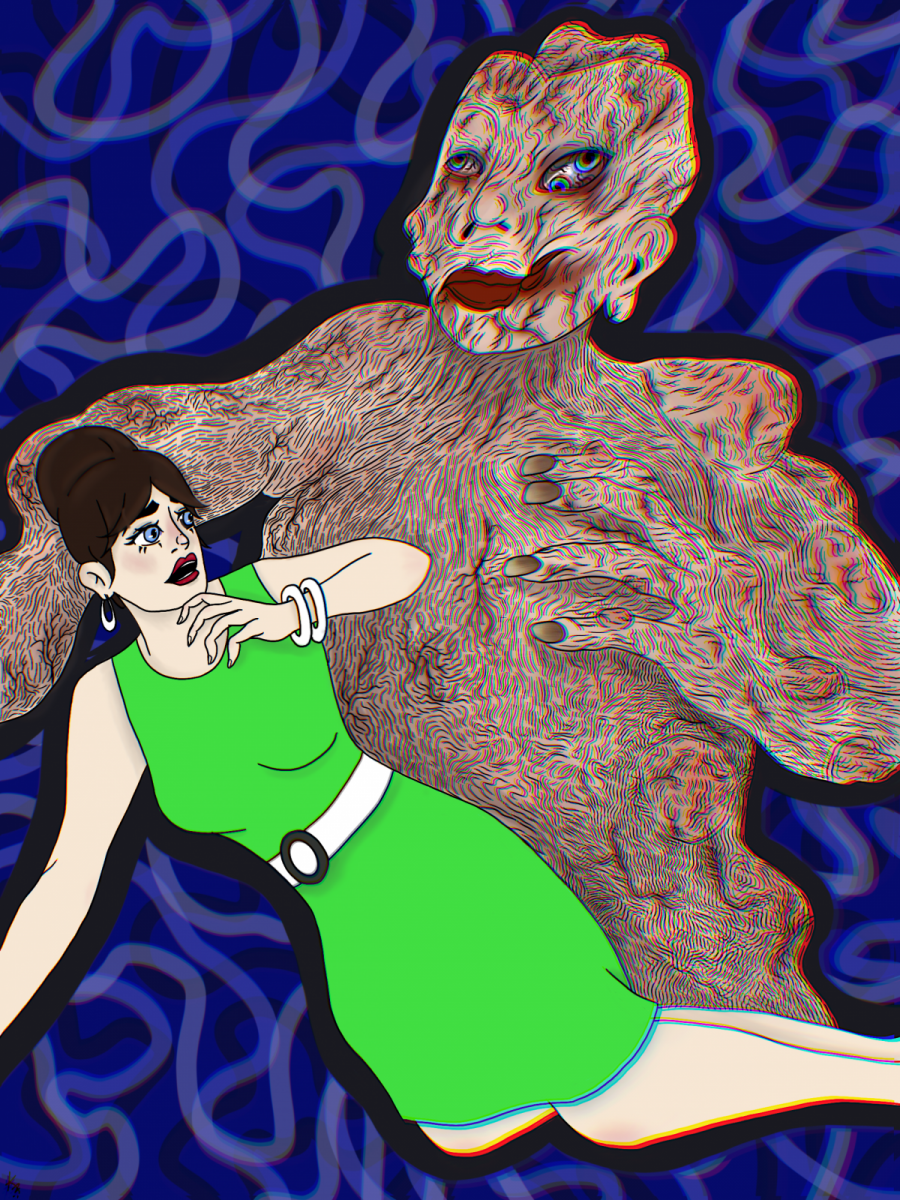
Body horror forces us to confront the one thing we can never escape: our own flesh—and all the ways society tells us to hate it.
Body horror is a sub-genre of horror that focuses on the gory and often overdramatized alterations of the human body. Including but not limited to decay, mutilation and diseases, it aims at showcasing the body as something grotesque and unrecognizable.
And yet, for all its grotesque imagery, it says something very true about us—about the way we fear, obsess over and try to control our own bodies.
The earliest appearance of body horror in cinema dates back to the 1950s. But it was the 1980s, the decade that brought us films such as David Cronenberg’s The Fly (1986) and John Carpenter’s The Thing (1982), that helped cement the genre as a cult classic.
The very concept of body horror, in every sense of the term, should not sound appealing. Yet for many, it has proven to be an extremely cathartic and satisfying metaphor for the ways we view our own bodies. I would argue that this is exactly why it resonates: because it reflects the insecurities, anxieties and sometimes the shame we carry about our own physical selves.
Today, we continue to see new takes and variations on the genre and the themes it helps to unveil. One of the most notable examples in recent years is The Substance (2024), directed by Coralie Fargeat.
The film follows Elisabeth Sparkle, a 50-something fading celebrity, who decides to take a new cell-replicating substance that promises to create a better, younger-looking version of herself. Pleased with the results and eager for more, she exceeds the suggested dosage, causing extreme and irreversible damage to her body.
The Substance quickly gained worldwide popularity for two reasons. The first was its gory nature and the effect it had on viewers, with many audience members leaving theatres in disgust.
However, it also became one of the best depictions of how people treat their bodies as they age. Elisabeth’s disturbing transformation showed, albeit very dramatically, what can go wrong when you become obsessed with upholding a certain image in the face of sexism and ageism.
Critics may argue body horror is mere shock value, but anyone who has felt trapped in their own body knows it’s a brutal, necessary reflection of our deepest fears.
This sub-genre is unique because it explores a type of gore with which we can all resonate. Bodies are the one thing we undoubtedly have in common—they may look different, but their structures are the same. Other horror clichés, such as ghosts, clowns or monsters, don’t hold the same universal impact, since we don’t all share the same fears.
Body horror allows you to perceive the body as something utilized beyond its intended purpose as a simple vessel for our organs. When you view the human body as something that can be altered, reimagined, created, or even disposed of, you remove the importance that we have been innately conditioned to place on it.
Linda Badley’s book Film, Horror, and the Body Fantastic comments on this phenomenon and how the coupling of horror with the body helps to “provide a language for imagining the self in transformation, re-gendered, ungendered, and regenerated, or even as an absence or a lack.”
Many people consider body horror to be therapeutic because it allows them to be in control of a theme that they feel dictates their life. I would go further and say that it’s almost subversive—a way to reclaim power over what has always been considered frightening or shameful about our own flesh.
This idea is similar to the concept of exposure therapy. Physical fears, whether they relate to one’s gender expression or personal insecurities, are omnipresent. Consciously choosing to consume media that may be triggering, but in a controlled environment, helps to become desensitized to it.
I find body horror so important because it demonstrates a very contrasting truth—it reminds us of the significance we have placed on our bodies, while also deconstructing our bodies to the point that they start to feel unimportant in the grand scheme of things.
Body horror isn’t just entertainment. It’s a mirror reflecting the impossible standards and fears society forces onto us. If we keep looking away, we let culture dictate how we should fear, age and exist. Maybe it’s time to stop flinching—and start confronting the grotesque truth of our own humanity.
This article originally appeared in Volume 46, Issue 4, published October 21, 2025.





_600_375_90_s_c1.jpg)