Why we should still care
How political and news burnout should not prevent us from continuing to advocate for critical causes

Every day brings another report of injustice, another political scandal, another failure of our governments to act. Burnout is tempting, and sometimes stepping away feels like the only sane choice.
I recently spent four days away from Montreal, visiting Ottawa and relaxing at the beach in Saint-Zotique. I visited incredible museums, ate amazing food and found myself barely looking at my social media feed.
It felt great, and yet, I also felt guilty.
As a journalism student, I can’t fully detach from the world’s crises: civilians killed in Gaza, targeted attacks on journalists and ongoing complicity from governments—including my own.
I find it difficult to find hope in this political climate.
A July report released by World Beyond War, the Palestinian Youth Movement and Arms Embargo Now shows that military equipment and bullets are being shipped from Canada to Israel even after the Canadian government insisted that it had suspended permits for shipments.
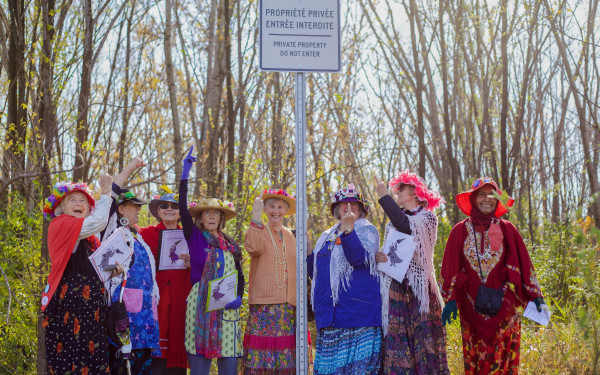
In the United Kingdom, 532 people, half of whom were over the age of 60, were arrested at a demonstration in support of Palestine Action. The British government deemed the pro-Palestine group a terrorist organization after members sprayed two military planes with red paint and attacked the engines with crowbars. According to Palestine Action, the aircraft have been used to refuel Israeli fighter jets.
Back home, Amnesty International Canada expressed concern about the passage of Bill C-5 due to the threat it poses to Indigenous Peoples’ rights to consent over national development projects in their territories.
With these events, it’s easy to feel powerless. The scale of these injustices makes each of our individual efforts seem insignificant. News fatigue creeps in slowly, whispering that maybe disengagement is the safer choice.
And yet, turning away doesn’t erase the problems; it only lets apathy thrive. It’s deeply frustrating and disheartening to see students and activists struggle to have their concerns heard while governments fail to uphold the very principles they claim to champion.
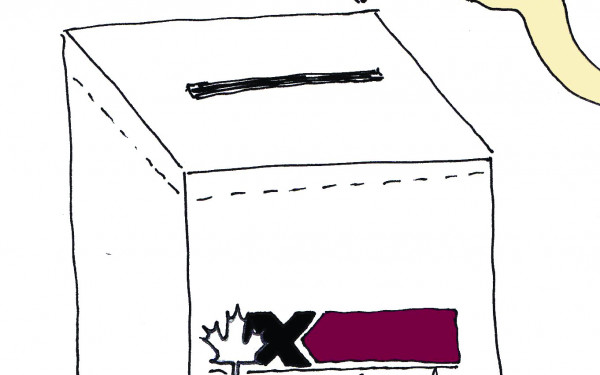
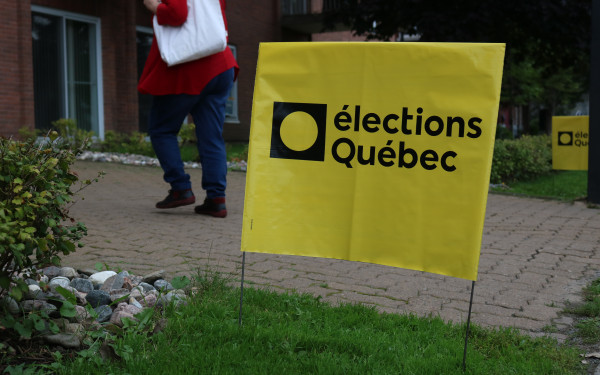
After the Liberals won in April and Pierre Poilievre lost his riding, it felt like many of my peers simply checked out, with summer providing the perfect excuse to disengage from politics.
I also understand that, as a white cisgender man living in the imperial core, I am at the apex of privilege, and political decisions tend to affect me the least.
But I see that engagement, small or large, remains crucial. Reading, reporting, protesting and advocating are all ways to maintain pressure, to support marginalized communities and to keep justice alive.
Burnout is real, and self-care is essential. But activism and engagement don’t have to mean constant exposure to despair. They can be measured, intentional and even local. The refusal to disengage, even in small ways, is itself a form of resistance.
For instance, a recent Angus Reid Institute poll showed that 63 per cent of Canadians still believe Canada should recognize a Palestinian state, even if it complicates trade negotiations with the U.S. Meanwhile, the refusal by striking Air Canada flight attendants to return to work after the government invoked Section 107 of the Canada Labour Code demonstrates the power of labour solidarity.
These examples remind us that staying engaged, even incrementally, has real impact.
So yes, I step back at times. But I don’t clock out entirely. Our responsibility isn’t to solve everything at once; it’s to keep the fight alive and refuse to let apathy dictate the future.
This article originally appeared in Volume 46, Issue 1, published September 2, 2025.