An uncertain future for McGill women’s rugby
How a historic program lived to fight another year—and the work it’ll take to help it survive
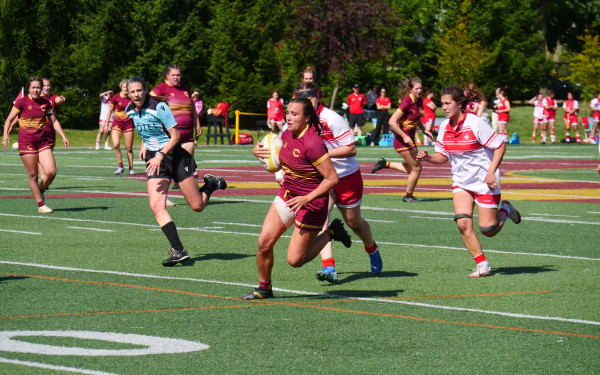
Money can’t solve all problems. It’s a lesson that the McGill University women’s rugby team knows painfully well.
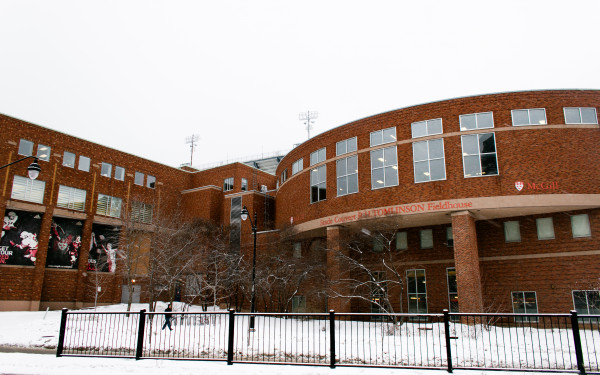
It’s been two months since a statement released by McGill announced that the women’s rugby team would not return to varsity competition in 2026. The move came as part of a sweeping array of cuts that eliminated 25 total varsity and club sports teams.
Emily Lai, who played for McGill from 2011 to 2015, joined the team’s alumni association after graduation. She described the program’s uncertainty as a sudden announcement, without an update or warning.
“We knew that there was some sort of review of all of the athletics programs that was meant to happen, but we didn't have a great idea about timing and what the direct risk would be,” Lai said.
First-year scrum-half Isis Martinez mentioned a similar uncertainty to the process, with only vague communication from the administration. She said that the program has had limited communication with the university since the announcement.
“They sent us a long email telling us that they would continue to support us in our transition, but we didn't really understand what that meant,” Martinez said.
She added that the team no longer had training slots this semester, whether on the field or in the gym.
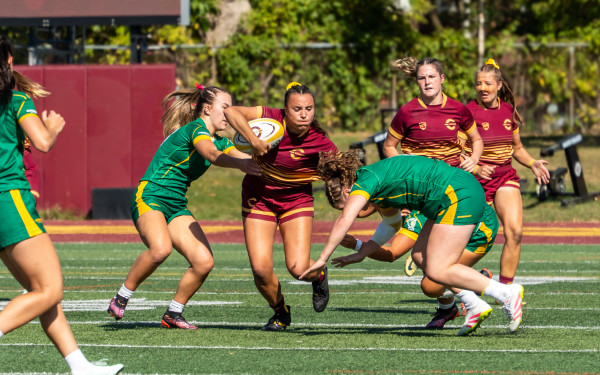
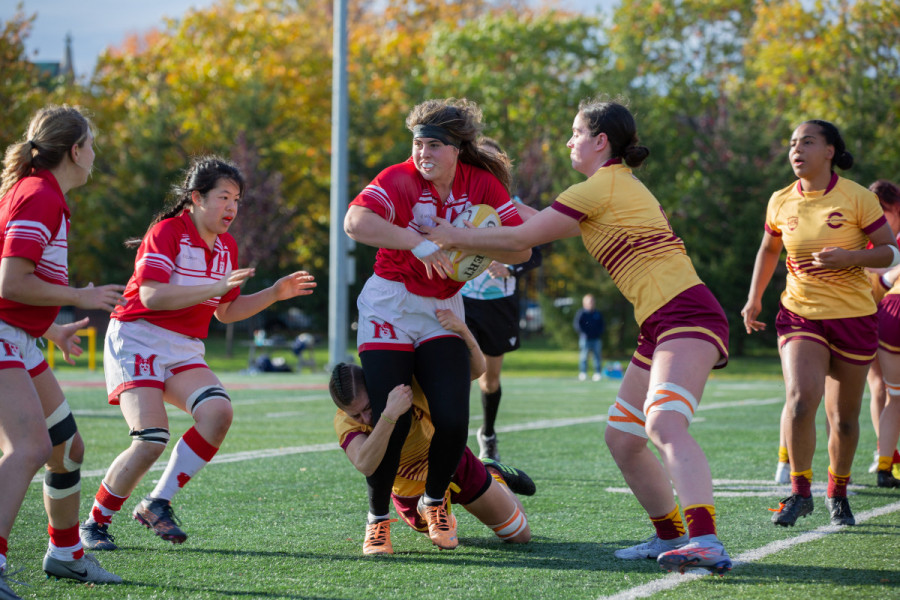
The McGill Martlets contest two rivalry matchups with Concordia University each year, including the Kelly-Anne Drummond Cup in the Concordia home game. First-year lock Sophie Gagnon plays for the Concordia team and expressed her shock at the news of the Martlets’ elimination.
“With the rise in interest in regards to women’s rugby and our Canadian team’s great success last year, you would think that universities would want to encourage women’s rugby,” Gagnon said.
After the announcement, the team and alumni jumped into action. After confirming the team’s elimination, attention turned towards the 2026 season and short-term sustainability, in the hopes that a solid foundation could support future competition.
Lai clarified that the movement has operated separately from any administrative oversight. While some student groups within the university have begun advocating for the reinstatement of teams or a partnership to ensure school support, Lai and the alumni don’t want to strain relations with McGill.
“That's a little bit more of a choice that we've made within the alumni system, like, ‘Let's really focus on the fundraising piece,’” Lai said. “We know that's going to be critical, and we don't want to jeopardize any ongoing conversations."
Led by the combined effort of students and alumni, the movement caught fire immediately. The GoFundMe campaign organized by the group set the initial goal at $35,000.
Within 24 hours, they had exceeded it. Even after increasing the target to $75,000, the total rose to $83,693, with support flying in from across the country.
Martinez reflected on the generosity displayed by other U Sports schools, including the University of British Columbia (UBC), whose women’s rugby team faced a similar predicament in 2014.
“With the rise in interest in regards to women’s rugby and our Canadian team’s great success last year, you would think that universities would want to encourage women’s rugby.” — Sophie Gagnon, lock, Concordia University women’s rugby team
“I remember when the fundraiser first came out, I was refreshing it every two hours just looking at the comments and especially looking at Instagram, looking at all the comments from other teams in our conferences or even teams across the country,” Martinez said. “Seeing UBC post for us, the University of Guelph, it's just been amazing to see the support of our community.”
However, in UBC’s case, the team never officially lost university support, remaining a varsity program in an eleventh-hour decision. To save their program, McGill will either have to lobby the school to reinstate the team or fund the team independently.
Lai described 2026 as an “exhibition season,” with opponents, training facilities and even coaches still up in the air. The money accumulated will ensure a McGill season in some form, providing a foundation for the future.
“After that, I think this is going to set a baseline of how much it really costs to operate some sort of season and chart what the three, five, 10-year goals are,” Lai said.
Lai added that McGill still hopes to rejoin the RSEQ at some point in the future. Still, even a temporary loss may be too much for some players. Without the sport they committed to play, it’s possible that some Martlets may choose to jump ship.
Martinez admitted that players have had hard conversations about the future of the program. She said that some players may wait it out for a year to test the waters before making a decision.
“If you're trying to go to the national team, this is not exactly a great start to your path to that team," Martinez said. "So I completely understand players wanting to continue their development in a varsity setting.”
As the team braces for an unprecedented year of competition, it recognizes the uncertainty of the journey ahead. But they also went into the process with zero expectations—and immediately saw them exceeded.
For Lai, the overwhelming support they received from national athletes and international universities gives her optimism for the future.
“This campaign and this decision to actually back this program says so much about not just women's rugby but women's sport in general, and I think that's the point that we want to articulate from this," Lai said. "It really is so much more than just women's rugby.”
A form to join the McGill women’s rugby supporter community can be found here or on the team's Instagram account, @mcgillwrug. Any questions can be directed to mcgillwomensrugbyalumni@gmail.com.
With files from Nicolas Brunetti.
This article originally appeared in Volume 46, Issue 8, published January 27, 2026.