A look behind the curtain of Concordia recruiting
Stingers coaches and administrators discuss the steps in the recruiting process
From the looks of the recruiting form on the Concordia University athletics website, anyone could put their name in the hat to become a Stinger.
On the surface, it seems simple: a multi-question document to gather basic information from a prospective recruit. But that form represents just the tip of the Stingers’ recruiting iceberg.
Behind it lies a lengthy process of film study, multiple visits to facilities and in-depth discussions about the future—repeated for every recruit the team chooses to pursue.
Concordia’s recruiting begins at the top. Before and during the season, athletic administrators meet with each program’s coaching staff to determine the best allocation of resources, providing a baseline for identifying each team’s needs.
D’Arcy Ryan, Concordia’s director of recreation and athletics, explains that the cost of recruiting varies based not only on team needs, but also on each program’s network of support outside the school: scouts, former players-turned-coaches, and external camps and showcases.
“We'll have conversations with the coaches to see what the next year's needs are going to be,” Ryan said. “This way, we know what our baseline level of support will look like."
While Concordia scans rosters from across the country, they focus primarily on Montreal and its surrounding areas—a talent-rich pool that’s close to home.
“We're lucky—we do a lot of recruiting in our own backyard,” Ryan said. “It helps keep the cost down because we have a great pool of talent at the CEGEP level, so we don't have to go too far out.”
Once teams narrow their recruiting lists, they begin a deep dive into each individual player.
They study game tape, talk to their previous coaches and evaluate their cultural fit. From this process, each team creates its “wish list,” the recruits deemed the most valuable or compatible with the Stingers locker room.
While teams analyze skill and potential, they also look into players’ academic goals and individual personalities.
Brad Collinson emphasized the importance of creating meaningful relationships with recruits. The Stingers’ head football coach wants players to feel appreciated throughout their recruitment and to solidify the team’s connection to each prospect.
“We set up meetings—a Zoom or phone call to get to know them,” Collinson said. “We try to make it a more personable process than just, ‘Hey, we like you as a football player and we want to get you here.’”
Along with meetings and tape evaluation, programs pitch themselves through on-campus events. Whether through tours or games, each team aims to give its prospects an accurate depiction of life at Concordia.
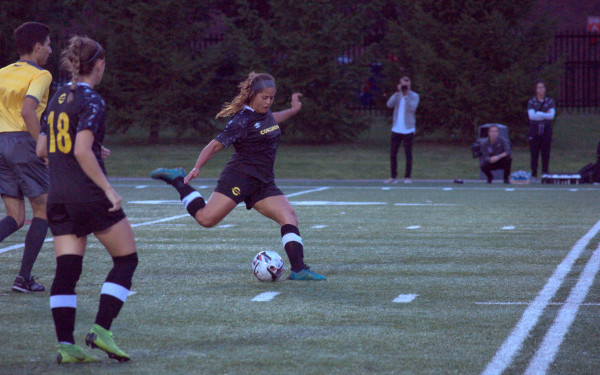
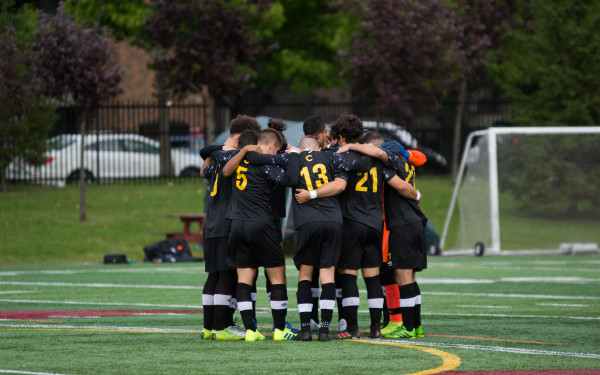
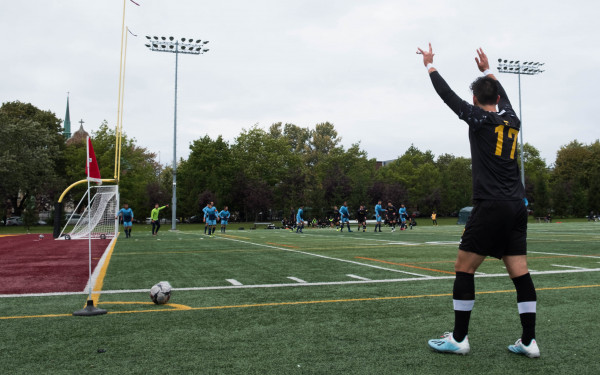
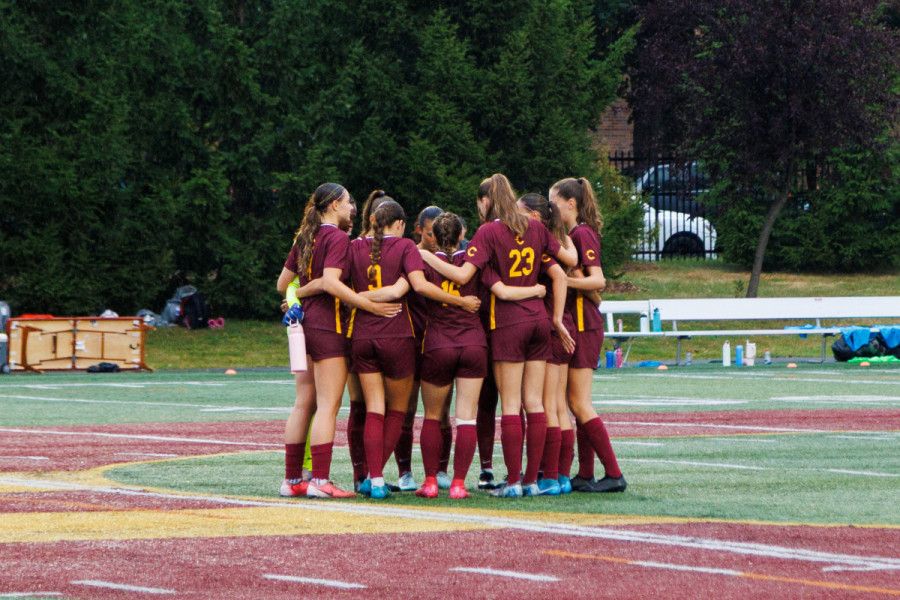
Greg Sutton handles soccer operations for both the men’s and women’s teams at Concordia. He appreciates the connection brought by a face-to-face visit, as it provides a more personal touch to a meeting or interaction.
“We'll have a number of players that will come this fall for the following season, to give them a sense of what the game-day atmosphere is like,” Sutton said. “And we have a lot of players that will hang out with some of our current players. We find that having them on campus is a big advantage for us when we're trying to lock up a recruit.”
But athletics only covers a portion of a recruit’s experience at Concordia. Collinson also uses these meetings to highlight the school’s academic offerings, showcasing programs and opportunities that complement an athlete’s career both on and off the field.
“We look at the programs that we offer—we're highly touted in engineering and business,” Collinson said. “And then you have your arts and science programs that no one else offers—I always give the example of the leisure studies program.”
Ryan prioritizes academics alongside the athletic benefits of attending Concordia. He takes recruiting visits as an opportunity to remind student-athletes of the many resources afforded to Stingers players, such as academic advising, access to athletic therapy and leadership workshops.
“We're continuously reminding them of these services so they're able to succeed academically and make it through their program with the support that they feel is necessary,” Ryan said.
But coaches want recruits to make their own decision to choose Concordia. Sutton prioritizes honesty throughout the process to keep expectations realistic and provide an unbiased and transparent view of the program and life as a Stinger.
“I don't like to force the hand of the recruit. I think it's a big step for them and a big decision for them,” Sutton said. “And we don't want to fill their heads with false promises just to get them to commit to our school because in the end, that doesn't end well most times.”
Collinson agreed, noting that the team’s honesty and clarity often dissuade decommitments by gaining the respect and trust of recruits.
“We're never going to hold a kid here who doesn't want to be here—I don't think that's right,” Collinson said. “But I think if you do your job properly and you create those personal relationships, those are few and far between.”
And through the prioritization of those relationships, Concordia’s recruiting has taken a turn for the better. Sutton noted the influx of new recruits from around the city through the team’s relationship with Quebec-born players.
“One of our biggest challenges is to recruit [Quebec-born] players to come to an English-speaking school. Over the last three or four years, we've had a lot of success,” Sutton said. “And when you do that, you attract others because the future recruits see that we've got a number of French-speaking players on our team.”
For each recruit, the journey differs. But regardless of the sport, Ryan lets every prospect know how Concordia prepares them for the future.
“I want them to understand that the three or four years that they're here are going to be eventful,” Ryan said. “They're going to be able to compete for a position from day one and graduate with a fantastic degree. Hopefully, they’ve enjoyed their student-athlete experience so that they graduate as a well-rounded contributing member to society.”
This article originally appeared in Volume 46, Issue 1, published September 2, 2025.



4_600_375_90_s_c1.jpg)